Please note: This guide is general information, not legal, tax, financial or medical advice. Rules for domicile, driver licenses, vehicle registration, taxes, health insurance and public land camping differ by state and change over time. Check official sources, and talk to a qualified professional before you make big decisions. See our full disclaimer at the end of this article.
We may earn from purchases made through links on this page.
Full-time RV living means your recreational vehicle (RV) is your only home: you live in it year-round and move from campground to campground instead of returning to a house. It offers freedom and a simpler life, but it also means solving practical problems most people never think about, such as where to get your mail, which state you call home, how to get health insurance and how to stay online for work. This guide walks you through the big decisions in order, so you can find out whether full-time RVing is right for you before you sell anything.

Key Takeaways
- Try it before you commit. Rent an RV or take a long trip first to learn what size and type you can live in every day.
- Every full-timer still needs a legal home state, called a domicile, for your driver’s license, vehicle registration, voting and taxes. Texas, Florida and South Dakota are common choices for RVers.
- Mail forwarding services solve the mail problem. Escapees Mail Service, for example, offers addresses in Texas, Florida and South Dakota and can scan your mail so you can read it online.
- Public land is not a free long-term home. Bureau of Land Management (BLM) dispersed camping is generally limited to 14 days within any 28-day period.
- Plan health insurance and internet early. Both depend on where you will travel and how you will work.
The Pros and Cons of Full-Time RV Living
The pros: the freedom to follow good weather and new places, a smaller and simpler home, more time outdoors, and a friendly community of fellow RVers.
The cons: a small living space, a steep learning curve, regular maintenance and repairs, and the paperwork of life without a fixed address. Travel days can be tiring, and campsites in popular places book up early.
Step 1: Choose an RV You Can Live In
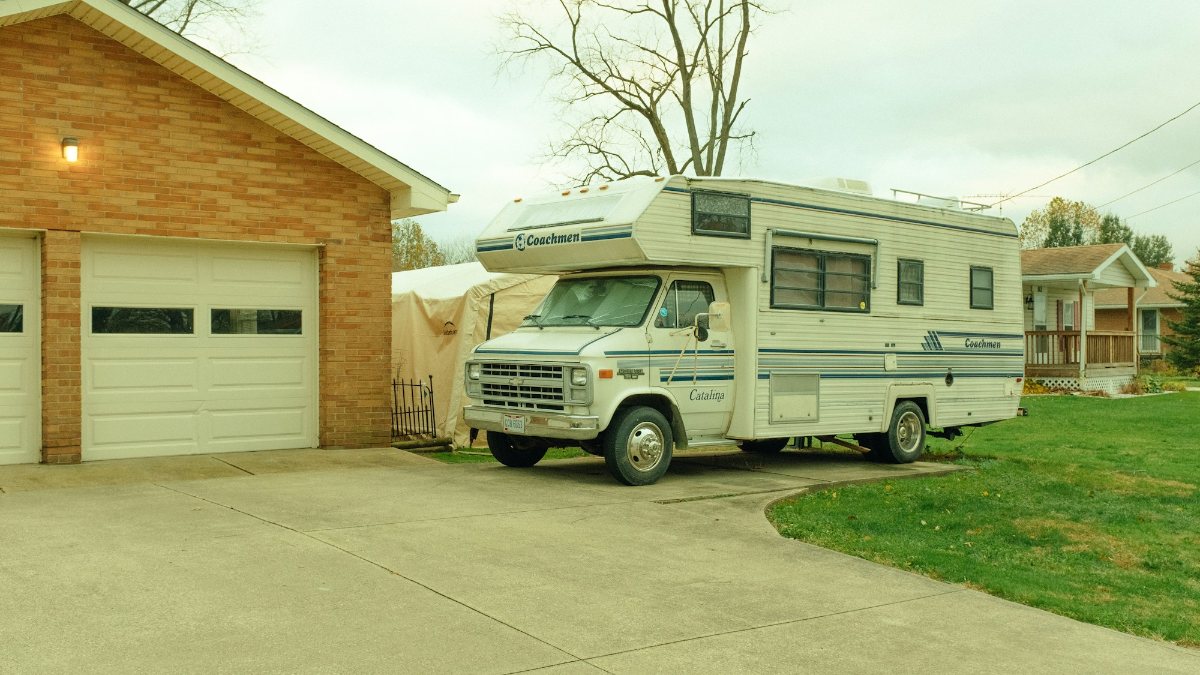
For full-time living, storage, a comfortable bed, a real shower, good insulation and enough power for work matter more than they do on a weekend trip. Many full-timers choose a fifth wheel or a Class A motorhome for the space, while others prefer a van or small trailer that fits anywhere. Compare every class in our guide to types of RVs explained.
Before you buy, rent one or two RVs for a week or more. Our guide to renting an RV shows how, and our beginner’s guide to buying your first RV covers costs, new vs. used and inspections.
Step 2: Build a Realistic Budget
Costs vary hugely with how far you drive, where you stay and how often you move. Instead of trusting someone else’s monthly number, list your own costs:
- RV payment or savings used to buy the RV, and insurance for full-time use
- Campsites (nightly, weekly or monthly rates) and any campground memberships
- Fuel and propane
- Maintenance, repairs and tires
- Health insurance and medical costs
- Internet and phone plans
- Mail forwarding, registration and other fees in your home state
- Food, laundry and everyday living
- An emergency fund for big repairs
Monthly campsite rates are often cheaper per night than daily rates, and staying longer in one place cuts fuel costs.
Step 3: Pick Your Domicile and Set Up Mail
Your domicile is your legal home state. It decides where your driver’s license, vehicle registration, voter registration and state taxes are handled. Texas, Florida and South Dakota are popular with full-time RVers, and each has its own rules for proving residency, so check the state’s official websites before you choose.
A mail forwarding service gives you a street address in your domicile state, holds your mail and forwards it wherever you are. Escapees Mail Service, which has served RVers since 1985, offers addresses in Texas, Florida and South Dakota, flexible forwarding schedules and optional scanning of First Class mail. In October 2026 it was available to Escapees members as an add-on starting at $110 a year, on top of the $49.95 yearly membership. Read more in our guide to securing a reliable address and mail service.
Step 4: Sort Out Health Insurance
Health insurance is one of the hardest parts of full-time RVing. Many plans have networks of doctors and hospitals in one area, so check what a plan covers outside its home area before you enroll. If you buy coverage through HealthCare.gov, Open Enrollment starts November 1, and you can call 1-800-318-2596 with questions. Keep copies of prescriptions and medical records with you, and plan how you will refill medicines on the road.
Step 5: Stay Connected and Earn a Living
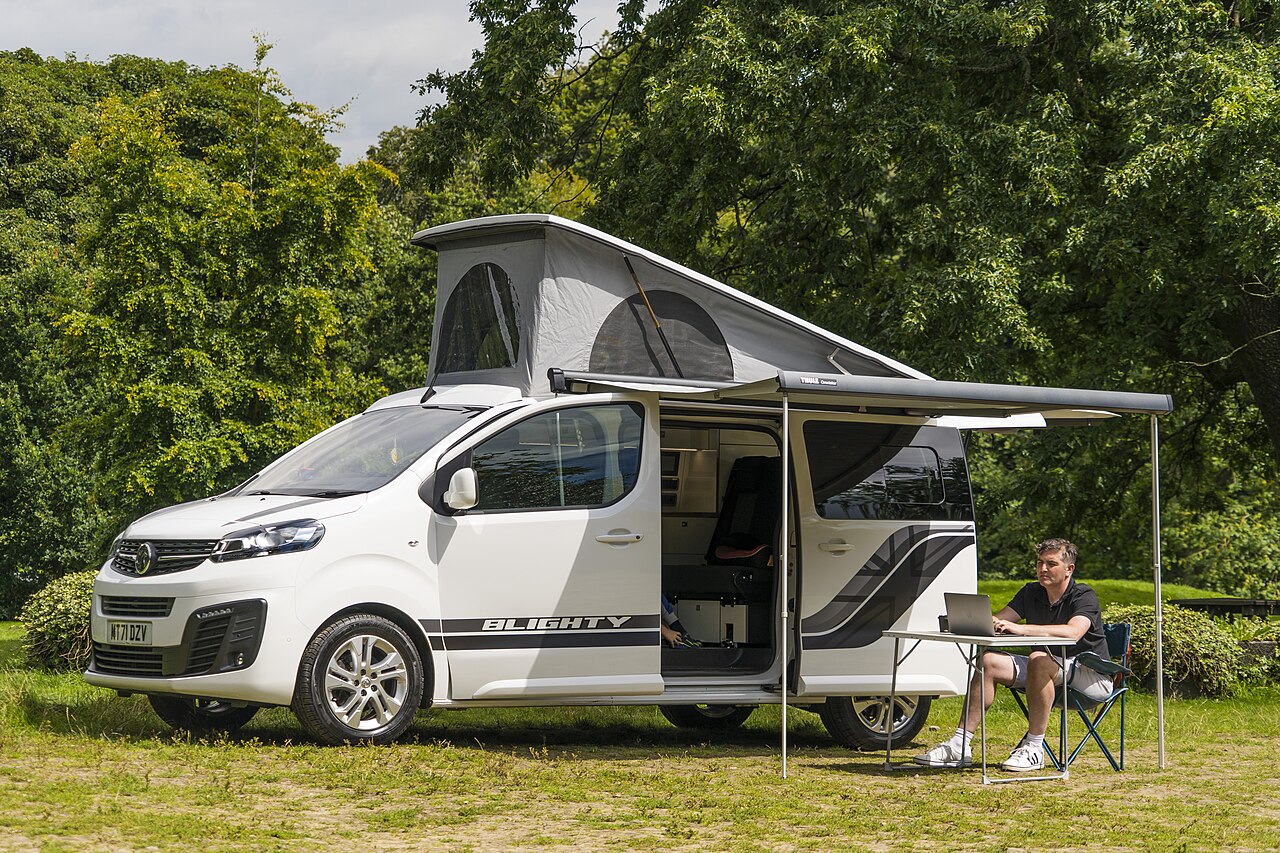
A reliable internet connection is the number one need for anyone working from the road. Many full-timers combine a cellular hotspot or router with satellite internet, such as Starlink, so they have a backup when one signal is weak. Our review of the Winegard Gateway router covers one cellular option.
Ways full-timers earn money include:
- Remote work: keeping your current job and doing it online.
- Seasonal and campground jobs, often called workamping, sometimes with a free or discounted campsite.
- Freelance and online businesses such as writing, design or bookkeeping.
For the full setup, read our guides on how to work remotely from an RV and RV jobs: 7 ways to earn money on the road.
Step 6: Plan Where You Will Stay
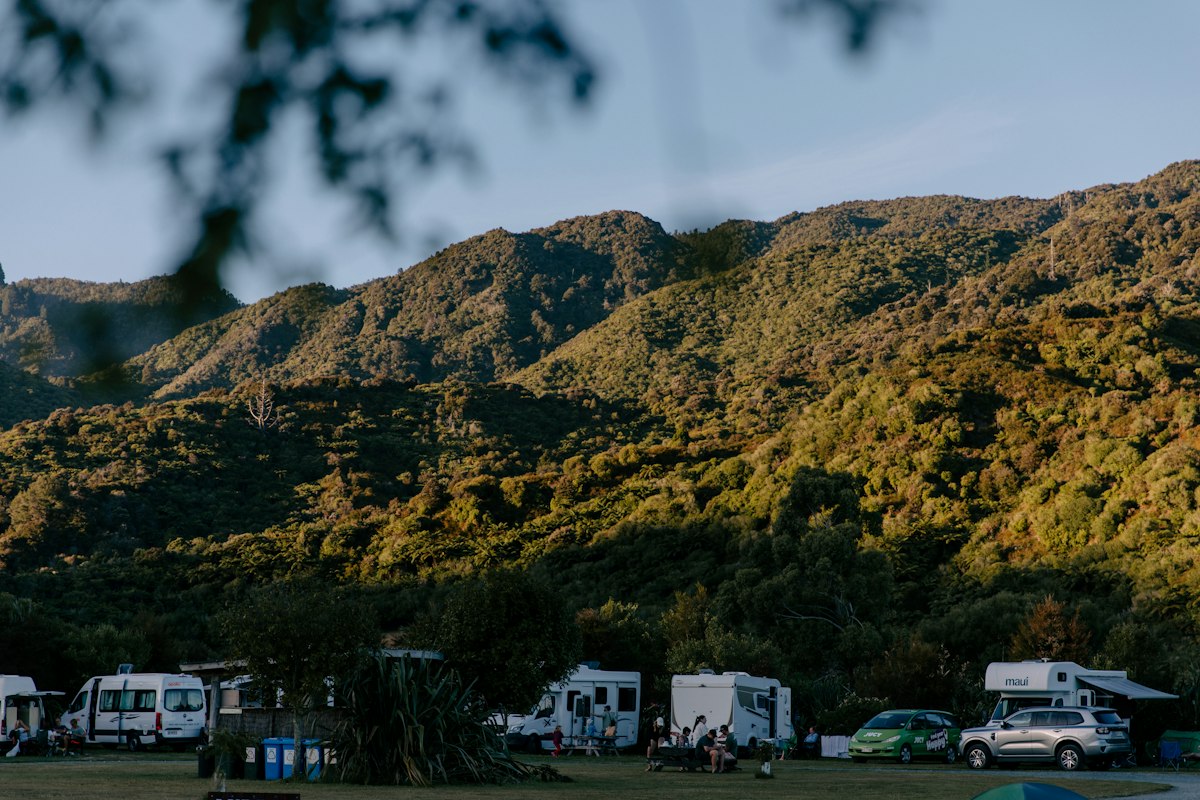
- Private RV parks and campgrounds offer full hookups and often weekly and monthly rates.
- State and national park campgrounds are beautiful but often have stay limits and book up early. Many national park campgrounds take reservations through Recreation.gov.
- Public lands: BLM dispersed camping is generally limited to 14 days within any 28-day period, and after that you must move to a new spot, often at least 25 to 30 miles away. The BLM says dispersed camping is for short-term recreation, not long-term living. The exception is its Long-Term Visitor Areas in California and Arizona, where winter visitors may camp up to seven months with a permit.
Many full-timers follow the 3-3-3 rule to make travel days easier, and use RV apps and an RV trip planner to find campgrounds and safe routes.
Step 7: Keep Your Home Safe and in Good Repair
When your RV is your home, a breakdown means a hotel stay. Follow a regular routine with our RV maintenance checklist, check your tires’ age and pressure with our RV tire safety guide, and carry roadside assistance. Our Good Sam vs AAA comparison explains the options. For cold-weather living, read our winter RV camping tips, and keep our RV safety tips in mind every travel day.
Full-Time RVing With Pets
Many full-timers travel with dogs and cats. Plan for vet records, ID tags and microchips, and pet-friendly campgrounds:
- RV travel with pets: a complete checklist
- Pet-friendly RV campground finder
- Dog-friendly RV campgrounds
- RV dog ramps and steps
Frequently Asked Questions
Can you legally live in an RV full time?
Yes, many people do, usually by staying in RV parks and campgrounds that allow long stays. Local rules about living in an RV on private land differ, so check with the county or city before you park somewhere long term.
What state is best for full-time RVers?
Texas, Florida and South Dakota are common choices for RVers, and mail services offer addresses there. The best one for you depends on taxes, vehicle registration, insurance costs and health insurance options, so compare them on each state’s official websites.
How do full-time RVers get mail?
Most use a mail forwarding service. It gives you an address in your domicile state, holds your mail, and forwards it or scans it so you can read it online.
Can you camp for free on public land full time?
Not in one place. BLM dispersed camping is generally limited to 14 days within any 28-day period, and the BLM says it is meant for short-term recreation, not long-term living. Long-Term Visitor Areas in California and Arizona allow winter stays of up to seven months with a permit.
How do full-time RVers get internet?
Most use a cellular hotspot or router, satellite internet, or both, plus campground Wi-Fi when it is good enough.
Related Guides
- Types of RVs explained
- Buying your first RV
- First time RV driving guide
- RV tools checklist
- How to work remotely from an RV
- RV jobs: ways to earn money on the road
- RV mail forwarding and choosing a home state
Acronyms Used in This Article
- BLM: Bureau of Land Management
- ID: identification
- RV: recreational vehicle
Disclaimer
This article is general information only and is not legal, tax, financial or medical advice. Rules for domicile, licensing, registration, taxes, insurance and camping on public land vary by state and agency and change over time. Check current official sources and talk to qualified professionals before making decisions. PreciousRV is not connected to Escapees, the BLM, HealthCare.gov or Starlink. Some links on this page are affiliate links, and we may earn a commission at no extra cost to you. Facts checked October 2026.