Please note: This guide is general information, not financial, legal or tax advice. Prices and rates change often and vary by state, so always get your own quotes. When you inspect an RV, follow the owner’s manual and stay safe: do not climb onto a roof that is not designed to be walked on, and leave propane (LP gas) and electrical testing to a qualified technician. See our full disclaimer at the end of this article.
Buying an RV (recreational vehicle) is exciting, and it is also one of the biggest purchases many families make after a house and a car. The price on the window is only the start. Insurance, storage, upkeep and the way RVs lose value over time all matter just as much. We wrote this guide to help first-time buyers make a calm, well-informed decision, step by step.
We have combined our earlier articles on RV costs, whether buying an RV is financially smart, and RVing for beginners into one complete guide to buying an RV, and we have re-checked the numbers against current sources.
Key Takeaways
- Rent first. A weekend or two in a rented RV is the cheapest way to learn what type and size you actually want.
- Budget for the whole picture, not just the loan payment: insurance, storage, maintenance, campsites and fuel.
- Used is usually better value. New RVs lose a large share of their value in the first few years.
- Always get an inspection before you buy, new or used. Water damage is the most common costly surprise.
- Never sign on the spot. Take the paperwork home, compare at least two offers and get loan quotes from your bank or credit union first.
Free download: RV Buying & Inspection Checklist
New vs. used, a walkthrough checklist, how to test the systems and red flags to watch for. Print it and take it with you.
Is It Financially Smart to Buy an RV?
An RV is a lifestyle purchase, not an investment. Unlike most houses, almost every RV is worth less each year. That does not make buying one a bad idea. It means the decision should rest on how much you will use it and how much you will enjoy it.
Buying tends to make the most sense if you:
- Travel often. Frequent weekend trips or long seasonal trips spread the fixed costs (loan, insurance, storage) over many nights.
- Already spend a lot on travel. If hotels, flights and restaurants already take a big share of your budget, an RV can replace some of that spending.
- Are comfortable with basic upkeep. Owners who can handle simple jobs, like checking tire pressure and roof seals, keep their costs down.
- Have savings set aside for repairs. RV parts wear out, and repair shops can be busy. An emergency fund keeps one surprise bill from becoming a crisis.
Renting may be the smarter choice if you expect to go only once or twice a year, if you are not sure which type of RV you want, or if you have nowhere to keep one. You can learn more in our RVshare rental guide, or browse rentals near you on RVshare.
Step 1: Choose the Right Type of RV
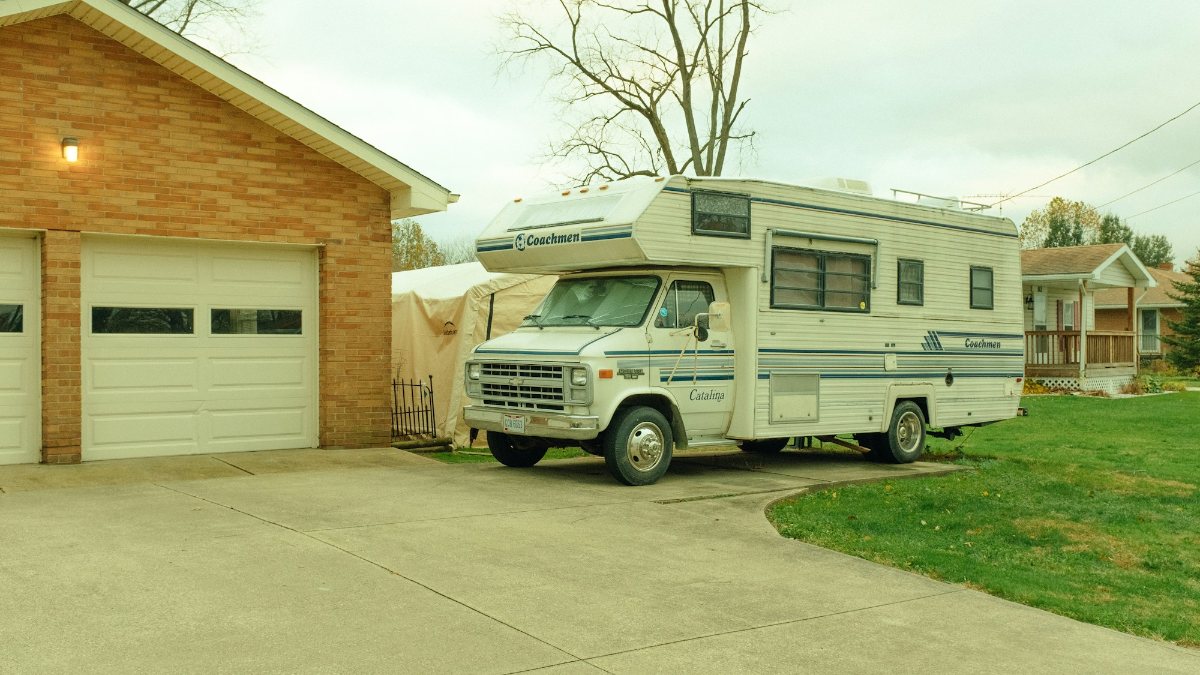
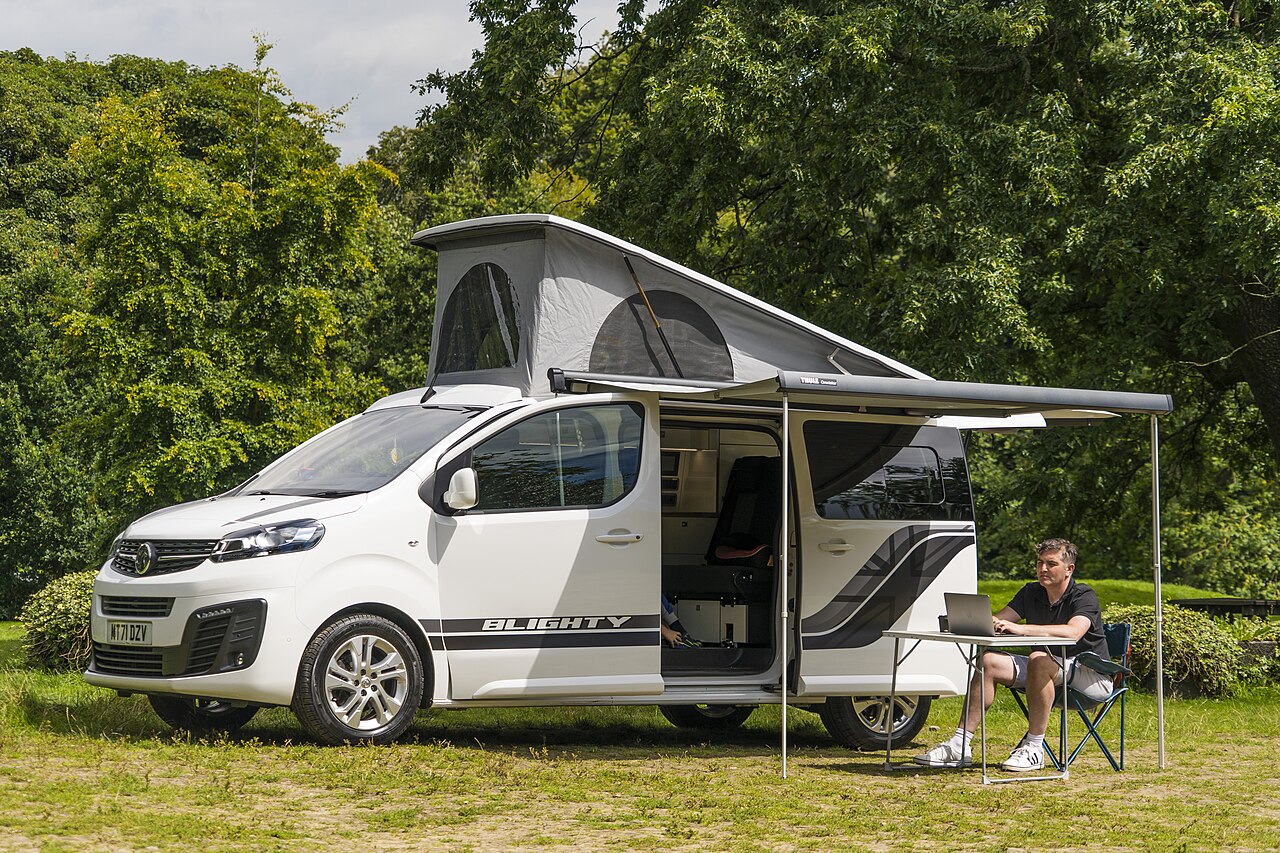
RVs come in two families. Motorhomes have their own engine: Class A (the large bus-shaped models), Class B (camper vans) and Class C (built on a truck or van chassis, often with a bed over the cab). Towables are pulled by another vehicle: travel trailers, fifth wheels (which hitch into a pickup truck bed), pop-up campers, truck campers and toy haulers (with a garage area for bikes or ATVs). Our Types of RVs Explained guide compares them side by side.
A few questions narrow the choice quickly:
- How many people will sleep in it? Count real beds, not “sleeps 8” on the brochure.
- Do you already own a capable tow vehicle? If yes, a towable can save a lot of money. If not, add the cost of a truck or SUV to the budget.
- Where will you go? Smaller RVs fit more campsites, including many older state and national park sites, and are easier to drive and park.
- Where will you keep it? Check your local rules and any homeowners association rules before you buy. If you need paid storage, see our RV storage options and costs guide.
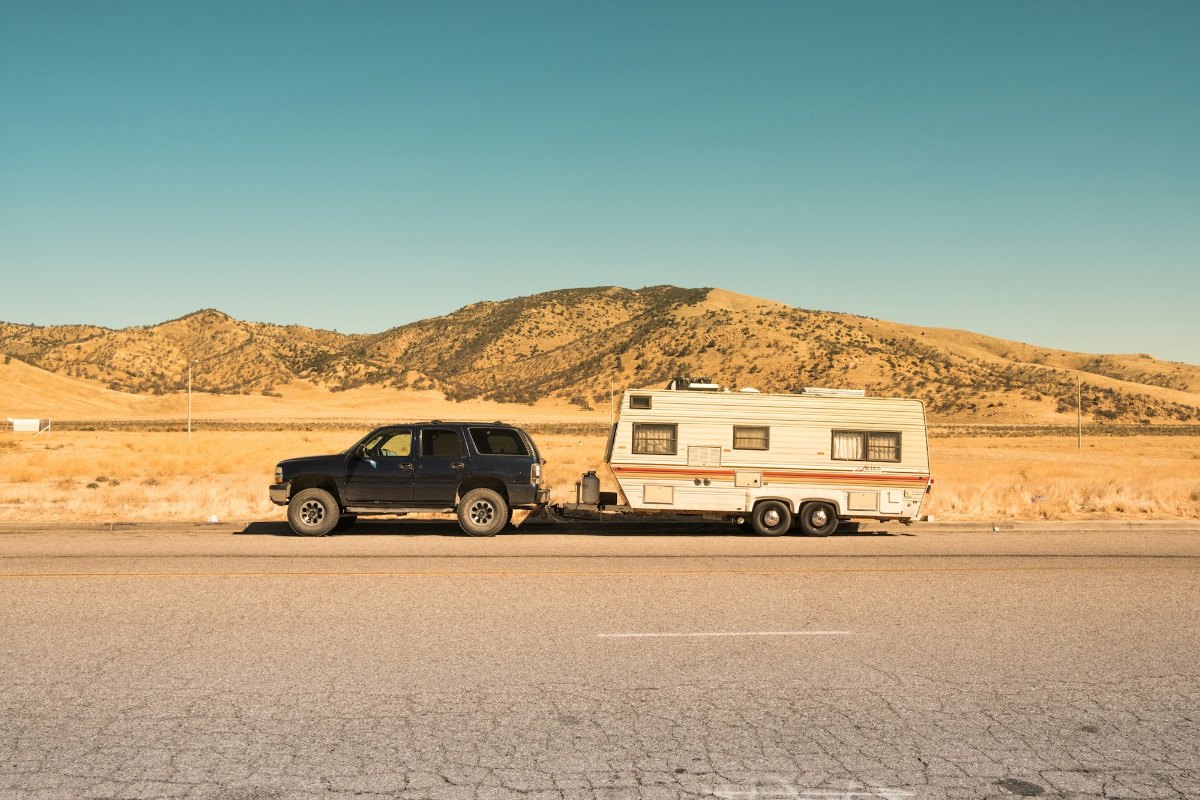
Towing tip: Check your vehicle’s towing capacity in its owner’s manual and stay comfortably below it. The trailer’s GVWR (gross vehicle weight rating, the most it may weigh fully loaded) matters more than its “dry” (empty) weight, because water, propane and gear add hundreds of pounds. Many RVs also carry a label showing their CCC (cargo carrying capacity). If you are new to towing or driving a big rig, our first-time RV driving guide walks you through it.
Buying a travel trailer or fifth wheel?
Before you fall for one, check that your truck can safely tow it. Our free Can My Truck Tow It? checker uses the numbers on your truck’s door sticker and the RV’s sticker and shows which limit you reach first.
Step 2: Set a Realistic Budget
What do RVs cost?
Prices vary enormously by type, age, size and brand. To give you a sense of the market, here are J.D. Power’s average values for used RVs from its spring 2026 market report. New models of the same type usually cost noticeably more.
| RV type | Average used value (J.D. Power, spring 2026) |
|---|---|
| Pop-up (camping) trailer | About $11,600 |
| Travel trailer | About $25,600 |
| Class C motorhome | About $115,600 |
| Class A motorhome | About $207,800 |
Source: J.D. Power 2026 Q1 RV Market Report. These are averages across many models and ages, so a specific RV can be priced well above or below them.
There is some good news for buyers: used prices have been softening. Black Book, an industry data company, reported in April 2026 that average wholesale (dealer auction) prices for used towables were about 21% lower than a year earlier, and used motorhomes about 9% lower (RV News). Lower wholesale prices give you more room to negotiate.
If you are shopping at the lower end, our list of camper trailers costing near $10,000 shows what a small budget can buy.
The costs after you buy
New owners are most often caught out by the running costs. Plan for each of these before you sign the purchase papers:
- Insurance. Progressive’s countrywide average for a 12-month RV policy in 2024 was $594 for a travel trailer and $1,052 for a motorhome (Progressive). Your price depends on your state, driving record, the RV’s value and the coverage you choose, so get quotes before you buy. To compare prices online, you can get a free RV insurance quote from Roamly. Full-time RVers usually need special full-timer coverage.
- Storage. If you cannot park at home, storage is a monthly bill. Our storage guide compares outdoor, covered and indoor options.
- Maintenance and repairs. Roof seals, tires, brakes, batteries, appliances and, for motorhomes, the engine all need regular care. Tires should be replaced by age, not just tread. See our RV maintenance checklist.
- Campsites. Costs range from free (on some public lands) to well over $100 a night at busy resorts. State parks are often good value.
- Fuel. Large motorhomes and tow vehicles pulling heavy trailers use far more fuel than a car.
- Registration, taxes and fees, which vary by state.
- Setup gear. A drinking-water hose, a surge protector, leveling blocks, wheel chocks and more (see our essentials list below).
How loan length changes what you pay
RV loans often run much longer than car loans, sometimes 15 to 20 years. A longer term lowers the monthly payment but greatly increases the total interest you pay. Here is a simple example for a $30,000 loan at 8% APR (annual percentage rate). This is only an illustration; your rate depends on your credit, the lender and the RV’s age.
| Loan term | Monthly payment / total interest |
|---|---|
| 10 years | About $364 a month, about $13,700 in interest |
| 15 years | About $287 a month, about $21,600 in interest |
| 20 years | About $251 a month, about $30,200 in interest |
A long loan can also leave you “upside down” (owing more than the RV is worth) for years, because the RV loses value faster than you pay down the loan. A larger down payment and a shorter term help. Get a loan quote from your own bank or credit union before you visit a dealer, so you can compare it with the dealer’s offer.
Tax note: In the United States, an RV with sleeping, cooking and toilet facilities can count as a second home for the mortgage interest deduction, according to IRS Publication 936. Whether it helps you depends on your own tax situation, so ask a qualified tax professional.
Step 3: New or Used?
Both can be the right choice. Here is how they compare:
- Used RVs cost less up front, and much of the early drop in value has already happened. The risk is hidden wear, especially water damage, so an inspection is essential.
- New RVs come with a manufacturer’s warranty and the exact floorplan you want. However, they lose value quickly in the first years, and brand-new RVs can still have factory defects. Many owners spend the first season taking small fixes back to the dealer.
Many experienced RVers suggest that your first RV be a lightly used one. Most people learn what they really want only after a season or two of camping, and it is less painful to sell a used RV that no longer fits than a new one.
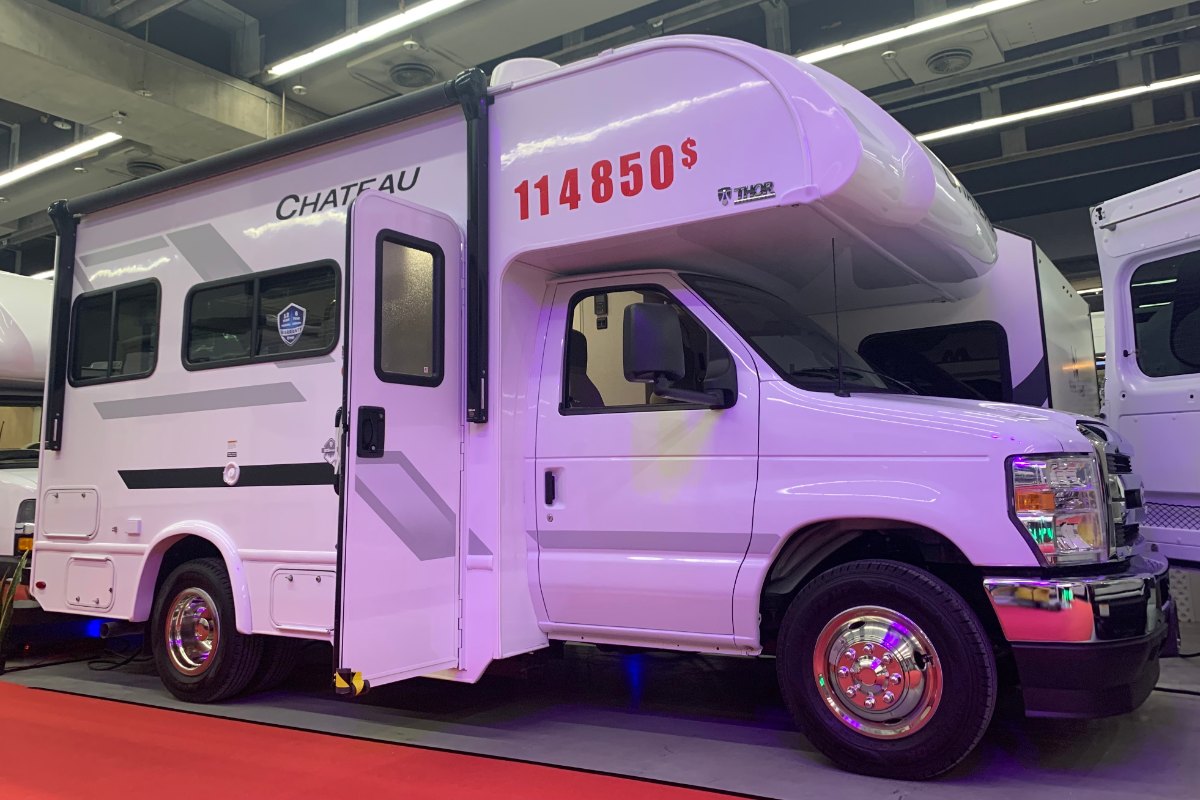
Step 4: See RVs in Person (RV Shows Are Ideal)
Photos online cannot tell you whether the bed is comfortable, whether you can stand up straight in the shower or whether two people can pass each other in the kitchen. An RV show lets you walk through dozens of models and brands in one day.
- Sit, lie down and “act out” a normal day in each floorplan you like.
- Take photos of each RV’s information sheet so you can compare them later.
- Show prices can be good, but you never have to sign on the day. A fair deal will still be there after you sleep on it.
Find an RV show near you
Our free RV Events Finder lists RV shows across the United States by state and date.
Step 5: Inspect Before You Buy
An inspection is the single best way to avoid an expensive mistake. Do your own walkthrough first, then, for any serious purchase, hire an independent inspector. The NRVIA (National Recreational Vehicle Inspectors Association) has a directory of certified inspectors. Prices vary with the size of the RV and how detailed the inspection is, from a few hundred dollars to over $1,000, which is small compared with the cost of a hidden problem.
Your own walkthrough: what to look for
- Water damage (the big one): stains or soft spots on ceilings, walls and floors, especially around windows, vents, slide-outs and the roof edges; a musty smell; and delamination, which means the outer wall skin is bubbling or rippling away from the wall.
- Roof: from a ladder, or with binoculars, look for cracked or missing sealant around vents, the air conditioner and the edges. Only walk on a roof if the manufacturer says it is designed for it.
- Tires: check the tread and the DOT date code on the sidewall. The last four digits show the week and year the tire was made (for example, “2321” means the 23rd week of 2021). Old tires can fail even with plenty of tread left.
- Slide-outs: run each one fully out and in. Listen for grinding and check the seals.
- Systems: test every appliance, the water pump, faucets, toilet, water heater, furnace, air conditioner, lights and the generator if there is one. Ask the seller to have the RV connected to power and water so you can.
- Underneath: look for rust on the frame, leaks and damaged wiring.
- For motorhomes: have a mechanic check the engine, transmission and brakes, just as you would for a used truck.
- Paperwork: make sure the VIN (vehicle identification number) on the RV matches the title, the seller is the legal owner and there is no unpaid loan (lien) on it. Ask for maintenance records.
Our free RV Buying & Inspection Checklist puts all of this on a printable page.
Safety: If you smell propane (a rotten-egg smell), do not switch anything on or off, and do not light anything. Get everyone out of the RV, turn off the propane at the tank only if it is safe to do so, and have a qualified technician check the system before anyone uses it.
Buying new? Attend the PDI
The PDI (pre-delivery inspection) is the dealer’s walkthrough before you take the RV home. Book plenty of time, test every system yourself, and make a written list of anything that needs fixing. Get the dealer to agree in writing to fix those items before you accept delivery or sign the final papers.
Step 6: Negotiate and Close the Deal
- Get your financing quote first from your bank or credit union, so you know whether the dealer’s offer is a good one.
- Negotiate the total price, not the monthly payment. A low monthly payment can hide a very long loan.
- Read every add-on carefully. Extended service contracts, paint protection and similar extras are optional. Ask exactly what is covered, what is excluded and what the deductible is before you agree to any of them.
- Compare at least two offers on similar RVs. Dealers in nearby states may price differently, but check your own state’s tax and registration rules if you buy elsewhere.
- Arrange insurance before you drive or tow the RV away.
First-Purchase Essentials
A few pieces of gear protect your new RV from the most common (and expensive) problems. These are products RVers use widely; as always, check that each one fits your specific RV.
- Surge protector or EMS (electrical management system): protects your RV’s electronics from faulty campground power. See RV surge protectors and EMS units on Amazon.
- TPMS (tire pressure monitoring system): warns you of a slow leak or overheating tire while you drive. A TPMS kit has small sensors that screw onto each tire’s valve stem and a screen on the dashboard that shows every tire’s pressure and temperature. The TST 507 TPMS (TST stands for Truck System Technologies, the company that makes it; 507 is the model) is a long-time favorite among RVers.
- Drinking-water hose: use a hose made for drinking water (labeled lead-free and drinking-water safe), never a garden hose, to fill your fresh-water tank. For example, the Camco TastePURE 25-ft drinking water hose. Keep it only for fresh water.
- Leveling blocks: help you get the RV level on uneven sites. For example, the Camco Tri-Leveler.
- Wheel stabilizers or chocks for travel trailers, such as X-Chock wheel stabilizers, to stop the trailer from rolling or rocking when parked.
Before your first trip, also run through our RV Pre-Departure Safety Checklist.
Frequently Asked Questions
What is the best RV for a first-time buyer?
There is no single best RV. For many beginners, a small-to-medium used travel trailer (if you already have a suitable tow vehicle) or a used Class C motorhome is a good balance of cost, space and ease of use. Renting the type you are considering for a weekend is the best test.
Should I buy a new or used RV?
For most first-time buyers, a lightly used RV is better value, because new RVs lose a large share of their value in the first few years. Buy new if you want a full warranty, a specific floorplan, or plan to keep the RV for many years. Either way, inspect it carefully before you buy.
How much does RV insurance cost?
Progressive’s 2024 countrywide averages were $594 a year for a travel trailer and $1,052 a year for a motorhome. Your cost depends on your state, the RV’s value, your driving record and your coverage, so get quotes from several insurers. You can start with a free online RV insurance quote from Roamly.
How long can you finance an RV?
RV loans often run 10 to 15 years, and some lenders offer up to 20 years for larger loans. Longer terms lower the monthly payment but cost far more in total interest, as our loan table above shows.
Is it cheaper to rent or buy an RV?
If you only go on one or two trips a year, renting is usually cheaper, because you avoid insurance, storage, maintenance and the RV losing value. Buying starts to make more sense the more nights you spend in it each year.
Can you negotiate RV prices?
Yes. RV prices, especially for used RVs and leftover new models, are usually negotiable. Arrive with your own financing quote, research similar RVs, and be ready to walk away.
Do I need a special license to drive an RV?
In most U.S. states a regular driver’s license is enough for most RVs, but some states require a special license or endorsement for very heavy or long RVs, or for towing heavy trailers. Check with your state’s DMV (Department of Motor Vehicles) before you buy.
Disclaimer
The information provided is for educational purposes only. Before carrying out any maintenance or safety task on your RV, please do your own further research so you are fully confident in each step. If you are ever unsure, consult a qualified RV professional or get a second opinion. Readers are responsible for their own safety, and PreciousRV.com accepts no liability for any injury, loss or damage.
Prices, insurance averages and market figures in this article come from the sources linked and were correct when we checked them in October 2026. They change often, so please confirm current figures before you buy. This article is not financial, legal or tax advice.