Please note: This guide is general information, not career, legal or tax advice. Job programs, prices and requirements change. The details below were checked on each organization’s official website in October 2026. Always confirm the current terms before you apply or sign anything. See our full disclaimer at the end of this article.
We may earn from purchases and bookings made through links on this page.
RVers earn money on the road in seven main ways: keeping a remote job, workamping at campgrounds and RV parks, volunteering as campground hosts on public lands, taking seasonal jobs in parks and resorts, offering mobile services such as RV inspections, renting out their RV when they’re not using it, and freelance online work. This guide explains each option, where to find real openings, and how to avoid the common pitfalls, so you can choose the one that fits your travel style.
Key Takeaways
- Remote work pays the most reliably if your job can be done online.
- Workamping means working at campgrounds, RV parks and similar places, often in exchange for a site, pay or both. Workamper News lists these jobs.
- Volunteer campground hosting on federal lands is listed on Volunteer.gov. Ask what’s included, since terms vary by location.
- Your RV can earn money too. Rental sites such as RVshare, Outdoorsy and RVezy let owners rent out their RV.
- Get every arrangement in writing: hours, pay, what the site includes, and how long the job lasts.
1. Keep Your Job and Work Remotely
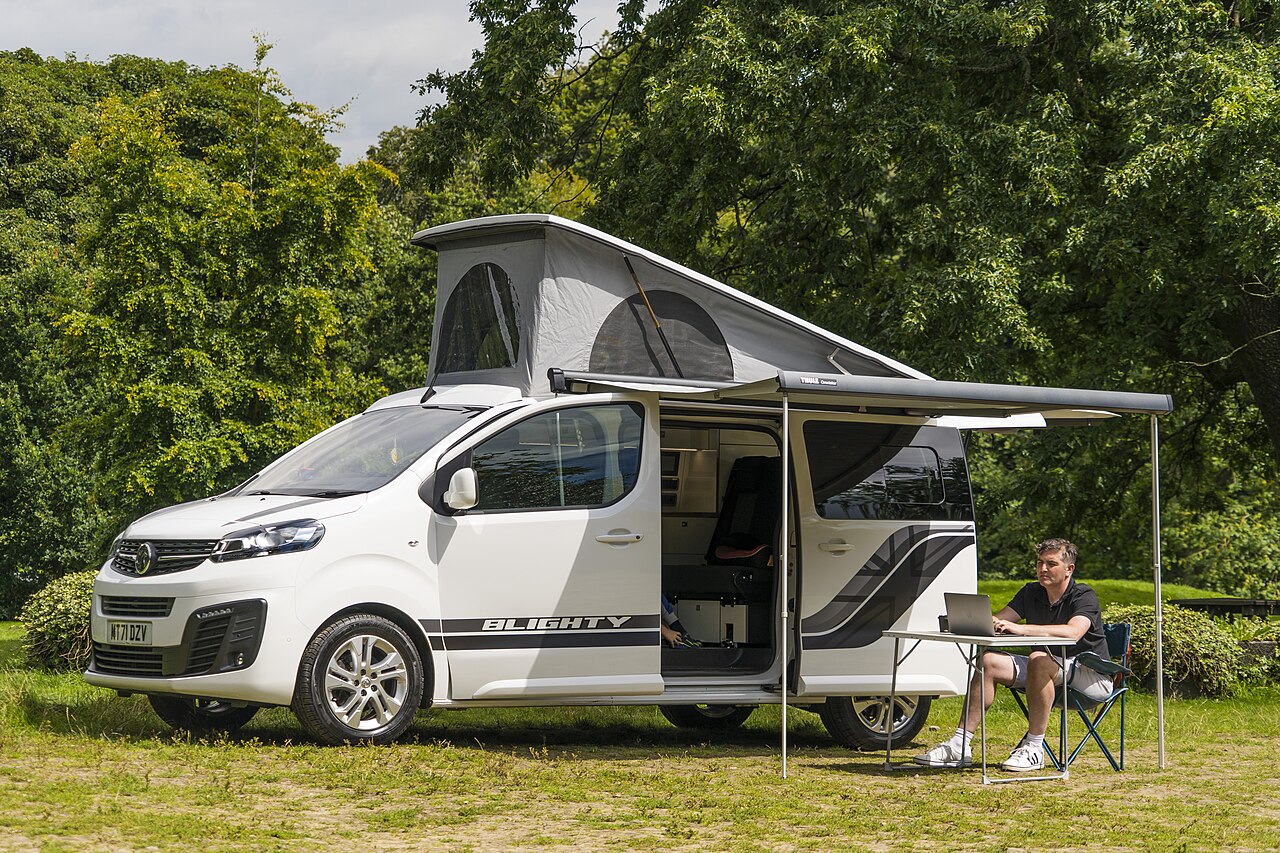
If your current job can be done online, keeping it is often the simplest way to fund RV life. You’ll need reliable internet with a backup, enough power, and a schedule that fits around travel days. Our guide on how to work remotely from an RV covers internet, power and workspace setup step by step.
2. Workamping at Campgrounds and RV Parks
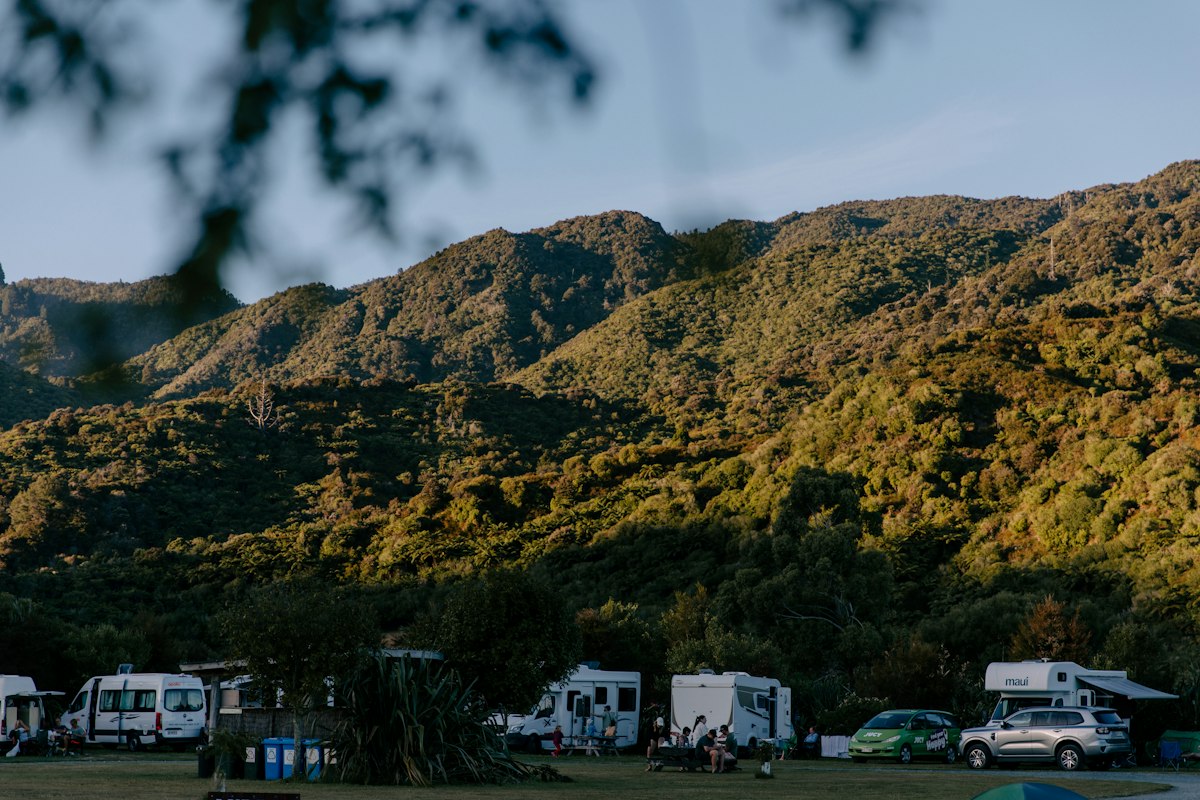
Workamping is working while you camp, usually at campgrounds, RV parks and other outdoor hospitality businesses. Jobs include front desk, maintenance, housekeeping, activities and store work. Depending on the employer, you may receive a campsite, pay, or both.
Workamper News, which says it has helped RVers find workamping jobs for more than 39 years, lists jobs across the country. In October 2026 it offered a free plan with job listings that are two weeks old, and paid plans with access to all jobs starting at $5 a month or $42 a year.
Questions to ask before you say yes:
- How many hours a week, and is the work paid, traded for a site, or both?
- Does the site include full hookups, and who pays for electricity?
- What are the start and end dates?
- Is there a written agreement?
3. Volunteer as a Campground Host on Public Lands
Campground hosts greet visitors, answer questions and help keep campgrounds clean and safe. The National Park Service (NPS) lists campground host roles among its volunteer opportunities, and you search and apply through Volunteer.gov. The U.S. Forest Service also lists campground hosts, who help maintain sites and facilities and manage campground safety.
These are volunteer roles, not paid jobs. What’s provided, such as a campsite or hookups, and the length of the commitment vary by location, so read each listing carefully and ask questions before you commit.
4. Seasonal Jobs in National Parks and Resorts
Many parks, lodges, ski areas and resorts hire seasonal staff. CoolWorks, which has listed these jobs since 1995, says many of its opportunities include room and board. If you want to live in your own RV, ask the employer whether it offers RV sites for staff and what they cost.
5. Offer a Mobile Service, Such as RV Inspections
If you’re handy, RVers need help along the way: inspections, repairs, washing and detailing, or mobile tech support. One example is becoming a certified RV inspector. The National RV Inspectors Association (NRVIA) tests and certifies RV inspectors and connects them with clients, usually before someone buys or sells an RV. To become certified, NRVIA says you attend RV inspector training from the National RV Training Academy, pass the NRVIA certification exams and keep an active membership. Check current course dates and costs with them directly.
Buyers who want an inspection can read why it matters in our guide to buying your first RV.
6. Rent Out Your RV When You’re Not Using It
If your RV sits parked for part of the year, renting it out can help cover your costs. On peer-to-peer rental sites, you list your RV, set your own price and rules, and approve the guests who book. Outdoorsy, for example, says its RV owners can “earn up to $30,000 a year”. Your results depend on your RV, location and how often it’s available.
- Read our guide to renting out your RV on RVshare for tips to get more bookings.
- On RVezy, hosts set their own nightly rate, security deposit, cleaning and delivery fees, and complete a documented inspection before and after every rental.
- Thinking about selling instead? See our RVezy sales guide.
7. Freelance and Online Work
Writing, design, bookkeeping, virtual assistance, tutoring and selling digital products are all jobs you can do from a laptop. They let you set your own hours, but income can be uneven at first, so build up clients before you rely on them.
Tips for Working on the Road
- Get it in writing. A short written agreement prevents most misunderstandings about hours, pay and site benefits.
- Watch for scams. Be wary of jobs that ask you to pay upfront or that sound too good to be true.
- Keep good records of what you earn and any campsite you receive as part of a job, and ask a tax professional how to report them.
- Protect your home on wheels. Keep up with maintenance using our RV maintenance checklist, and carry roadside assistance, such as Good Sam Roadside Assistance.
- Sort out mail and your home state first. Our full-time RV living guide explains domicile and mail forwarding.
Frequently Asked Questions
What is workamping?
Workamping means working while you camp, usually at campgrounds, RV parks and other outdoor hospitality businesses. The work may be paid, exchanged for a campsite, or both.
Do campground hosts get a free campsite?
It depends on the location. Campground host roles on public lands are volunteer positions, and what’s provided varies, so check each listing and ask before you commit.
Where can I find RV-friendly jobs?
Workamper News lists workamping jobs, Volunteer.gov lists volunteer roles such as campground hosts on federal lands, and CoolWorks lists seasonal jobs in parks and resorts.
Can I make money renting out my RV?
Yes. Peer-to-peer sites such as RVshare, Outdoorsy and RVezy let you set your own price and rules. Your earnings depend on your RV, where it’s parked and how often it’s available.
What is the easiest way to earn money while RVing?
If your job can be done online, keeping it remotely is usually the easiest. Otherwise, workamping is a common starting point because many jobs include a campsite.
Related Guides
- How to work remotely from an RV
- Full-time RV living: a beginner’s guide
- How to rent an RV
- Rent out your RV on RVshare
Acronyms Used in This Article
- NPS: National Park Service
- NRVIA: National RV Inspectors Association
- RV: recreational vehicle
Disclaimer
This article is general information only and is not career, legal or tax advice. Job programs, prices, requirements and benefits change and vary by employer and location. Confirm current terms directly with each organization before you apply or sign anything. PreciousRV is not connected to Workamper News, CoolWorks, the NRVIA, the National Park Service or the U.S. Forest Service. Links to RV rental sites are affiliate links, and we may earn a commission at no extra cost to you. Facts checked October 2026.