Please note: Weights, features and campground rules differ by model and by campground. Check the manufacturer’s specifications and the campground’s own rules before you buy or book. See our full disclaimer at the end of this article.
We may earn from purchases made through links on this page.
A pop-up camper is a small towable recreational vehicle (RV) whose walls fold down for travel and open up at camp, usually with canvas sides and a bed at each end. Its biggest pros are a light weight that many sport utility vehicles (SUVs) and pickups can tow, a lower price than most travel trailers, and easy storage. Its biggest cons are setup time, little protection from heat, cold and noise, and limits in some bear country campgrounds. This guide covers the pros and cons in detail, how pop-ups compare with travel trailers, and who a pop-up camper suits best.
Key Takeaways
- Pop-ups are light. Many weigh roughly 1,000 to 3,700 pounds empty, so smaller tow vehicles can often pull them. Always check your vehicle’s towing capacity.
- They cost less. New tent-style pop-ups at dealers commonly listed for about $9,000 to $25,000 in October 2026, while new travel trailers listed on Autotrader averaged about $50,000. Many pop-ups also fit in a home garage.
- Canvas walls are the trade-off. They hold less heat in cold weather, let in more noise and need to dry out before storage.
- Some campgrounds in bear country allow only hard-sided RVs. For example, Yellowstone’s Fishing Bridge RV Park does not allow tent trailers.
- Rent before you buy to see whether setup and camping in a pop-up suit you.
What Is a Pop-Up Camper?
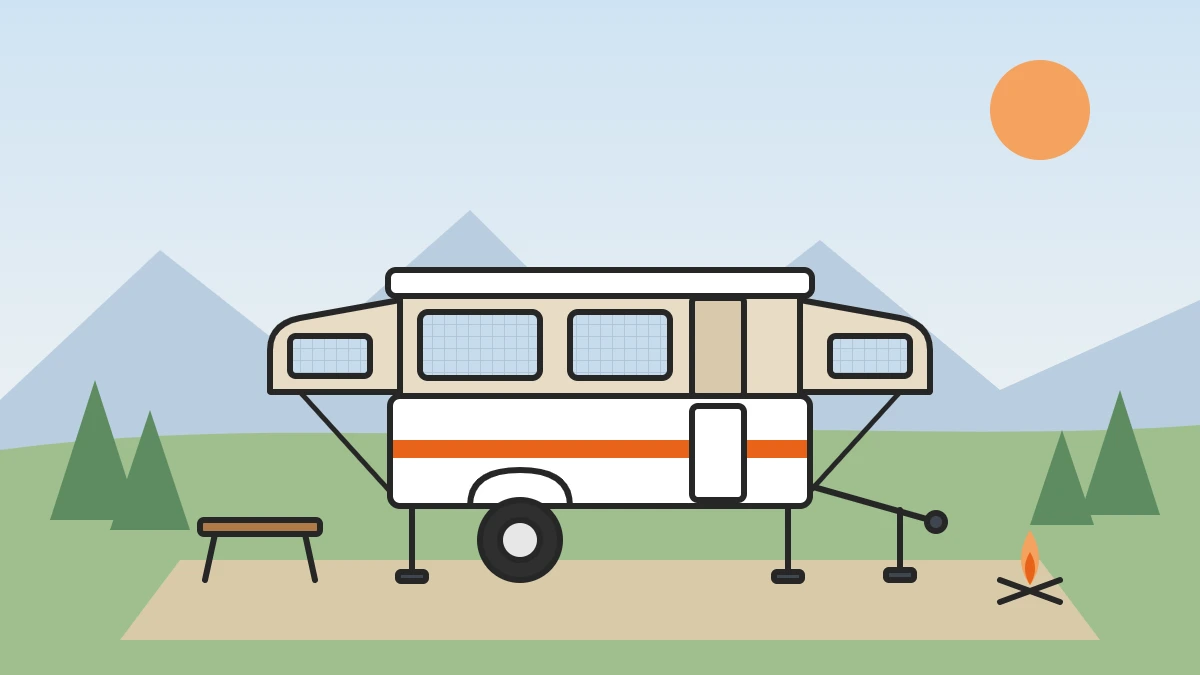
A pop-up camper, also called a tent trailer or folding camping trailer, is a towable RV with a solid base and a roof that lifts up at camp. The sides fold out into canvas or vinyl walls, and two pull-out bunk ends hold beds. When folded down, the camper is low and compact, which makes it easier to tow and store than a full-height trailer.
There are two main types:
- Soft-sided pop-ups have canvas or vinyl walls and bunk ends. They are the most common and usually the lightest.
- Hard-sided pop-ups have solid walls that fold up into an A-frame or box shape. They cost more but give better protection from weather, noise and wildlife.
See how pop-ups compare with every other kind of RV in our guide to types of RVs explained.
Pop-Up Camper Pros
- Light and easy to tow. Their low weight means many SUVs, minivans and half-ton pickups can tow them, and they use less fuel than a heavy trailer.
- Low profile on the road. When folded, a pop-up sits below the roof of most tow vehicles, so there is less wind drag and you can usually see over it.
- Lower price. New tent-style pop-ups at dealers commonly listed for about $9,000 to $25,000 in October 2026, and used ones often sell for a few thousand dollars up to around $15,000, depending on age and condition.
- Easy storage. Many fit in a home garage or a standard storage space, which can save on storage fees.
- Close to nature. Open canvas windows give you fresh air and the feel of tent camping with a real bed off the ground.
- Roomy for its size. The pull-out bunk ends make a lot of sleeping space for families. Manufacturers rate most pop-ups to sleep about 4 to 8 people, counting a dinette that converts to a bed. Four to six people, two adults in each bunk end and children on the dinette, is usually the comfortable number.
Pop-Up Camper Cons
- Setup and takedown time. You have to crank the roof up, pull out the bunks and set up the inside at every stop, and do it in reverse when you leave.
- Little insulation. Canvas holds little heat in cold weather and lets heat in on hot days, so you rely more on a furnace or air conditioner.
- Condensation. Moisture can build up on the canvas overnight, especially in cool weather.
- Canvas care. Canvas must be completely dry before you fold it for storage, or mold and mildew can form. Over time it may need repairs or replacement.
- Less privacy and more noise. Sound passes easily through canvas walls in both directions.
- Bear country limits. Some campgrounds in bear habitat allow only hard-sided RVs. Yellowstone’s Fishing Bridge RV Park, for example, is for hard-sided vehicles only, with no tents or tent trailers.
- Limited storage and features. Many pop-ups have small kitchens and limited cabinet space, and only some have a toilet or shower.
Try a pop-up before you buy
Renting for a weekend is the best way to find out if a pop-up camper suits you. Many owners rent out pop-ups and small trailers on RV rental sites.
You can also compare Outdoorsy and RVezy rentals in your area.
Pop-Up Camper vs. Travel Trailer
| Pop-up camper | Travel trailer | |
|---|---|---|
| Weight (empty) | About 1,000 to 3,700 pounds; many smaller vehicles can tow one | About 1,500 to 8,000 pounds or more; many mid-size models weigh 3,500 to 6,000 pounds and need a pickup or large SUV |
| Setup | Raise the roof and open the bunks at every stop | Ready to use once parked and leveled |
| Comfort in cold or heat | Limited by canvas walls | Better, with insulated hard walls |
| Bathroom | Only on some models, often basic | Most have a toilet and shower |
| Storage at home | Often fits in a garage | Usually needs a driveway pad or storage lot |
| Bear country campgrounds | Soft-sided models not allowed at some sites | Allowed at hard-sided-only sites |
| Price (new) | Lower: about $9,000 to $25,000 for many tent-style models | Higher: new models listed on Autotrader averaged about $50,000 |
| Sleeps | About 4 to 8, comfortably 4 to 6 | Varies widely with size and floor plan |
Is a Pop-Up Camper Worth It?
A pop-up camper is worth it if you:
- Have a smaller tow vehicle and don’t want to buy a bigger truck
- Camp mostly in spring, summer and fall in mild weather
- Want more comfort than a tent at a lower price than a travel trailer
- Need to store the camper in a garage or small space
A hard-sided pop-up or a small travel trailer may suit you better if you camp in cold weather, travel often in bear country, want a full bathroom, or don’t want to set up and take down at every stop.
Weighing up the full cost of owning an RV? Our guide to buying your first RV covers new versus used and what to check before you buy.
Pop-Up Camper Tips for New Owners
- Practice setup at home before your first trip, so you are not learning in the dark or rain.
- Dry the canvas fully before storage. If you must pack up wet, open the camper at home within a day or two to let it dry.
- Cover the bunk ends with pop-up bunk end covers to add shade, reduce condensation and keep rain off the canvas.
- Check the lift system and roof seals each season.
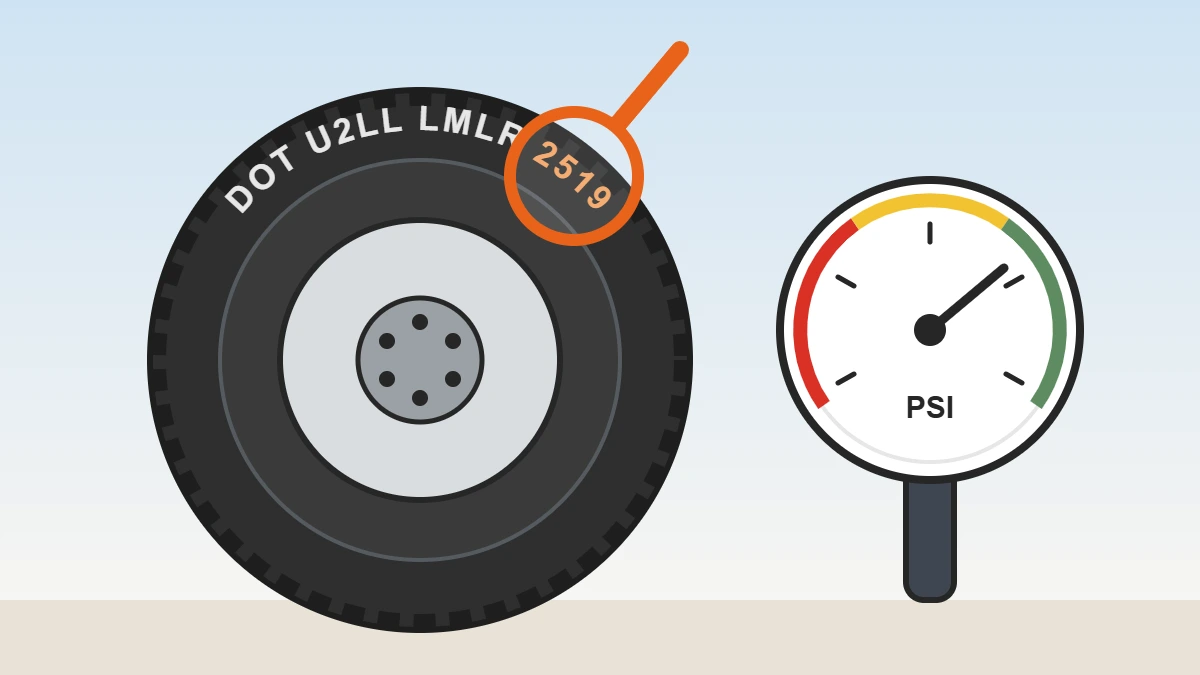
- Check the tires. Small trailer tires age even when the camper sits parked. Our RV tire safety guide shows how to read the date code.
- Keep pets with you in the tow vehicle. Pets must never ride in a towed camper while it is moving, even in a harness or crate.
Frequently Asked Questions
How much does a pop-up camper weigh?
Many pop-up campers weigh roughly 1,000 to 3,700 pounds empty, depending on size and features. Check the camper’s gross vehicle weight rating, the most it can weigh loaded, and compare it with your vehicle’s towing capacity.
How much does a pop-up camper cost?
In October 2026, new tent-style pop-ups at dealers commonly listed for about $9,000 to $25,000, with larger models with more features at the top of that range. Used pop-ups often sell for a few thousand dollars up to around $15,000, depending on age and condition. Hard-sided pop-ups usually cost more than soft-sided ones of a similar size.
How many people can a pop-up camper sleep?
Most pop-ups are rated to sleep about 4 to 8 people, counting the dinette that converts to a bed. For comfort, plan on 4 to 6: two adults in each bunk end and children on the dinette. Check the bunk sizes, since some bunk ends hold a king bed and others a smaller one.
Can an SUV tow a pop-up camper?
Often, yes. Many midsize and full-size SUVs can tow a pop-up camper. Check your SUV’s towing capacity in the owner’s manual and make sure the loaded camper stays under it.
Are pop-up campers good in the rain?
They keep you dry when the canvas is in good condition, but you will need to dry the canvas out after the trip. Bunk end covers and a good awning help.
Can you use a pop-up camper in winter?
You can, with a furnace and warm bedding, but canvas walls hold little heat. Most pop-up owners camp in spring, summer and fall.
Are pop-up campers allowed in national parks?
Most national park campgrounds allow them, but some campgrounds in bear habitat allow only hard-sided RVs. Check each campground’s rules before you book.
Related Guides
Acronyms Used in This Article
- RV: recreational vehicle
- SUV: sport utility vehicle
Disclaimer
This article is general information only. Pop-up camper weights, features and prices vary by model and year, prices here are examples from dealer and marketplace listings in October 2026, and campground rules change, so check the manufacturer’s specifications and the campground’s current rules before you buy or book. Some links in this article are affiliate links, including RVshare, Outdoorsy, RVezy and Amazon links, and we may earn a commission if you buy or book through them, at no extra cost to you. Facts checked October 2026.