
RVezy Sales Guide: At-A-Glance
- RVezy is the only RV marketplace in the U.S. that charges zero listing fees, making it a no-risk platform for private sellers and dealers alike.
- The RVezy marketplace is the fastest-growing platform for buying, selling, and renting RVs in the U.S. and Canada.
- Pricing your RV correctly from day one is the single biggest factor in how fast it sells — and there’s a smart way to research it.
- Before you list, there are 10 proven tips that can dramatically speed up your sale and maximize what you walk away with.
- If you’re not ready to sell outright, renting your RV through RVezy first can generate income and even help you find your next buyer organically.
Selling your RV doesn’t have to be stressful, slow, or expensive — but the platform you choose and how you prepare your listing makes all the difference.
RVezy started as a peer-to-peer RV rental marketplace and has since expanded into the fastest-growing RV buy-and-sell marketplace in North America. For sellers, that growth matters because it means more qualified buyers are actively browsing listings every day. Whether you’re upgrading to a bigger rig or stepping away from RV life entirely, this guide walks you through everything you need to know to sell smarter and faster.
Sell Your RV Fast With RVezy
Getting your RV sold quickly comes down to three things: the right platform, the right price, and the right presentation. RVezy gives you a strong foundation for all three.
Why RVezy Is the Fastest-Growing RV Marketplace
RVezy launched as a peer-to-peer RV rental platform and built a massive, engaged community of RV owners and enthusiasts across the U.S. and Canada. That existing audience became the backbone of the RVezy Marketplace — a buy-and-sell platform that immediately had access to motivated buyers who already trusted the brand.
What makes this significant for sellers is that you’re not just posting to a generic classifieds board. You’re listing in front of people who are actively researching, renting, and buying RVs. That’s a fundamentally different buyer pool than what you’d find on a general marketplace.
The platform continues to grow rapidly, and with features like the POP Sells concierge listing service, RVezy has made it easier than ever to get your RV in front of the right buyers without doing all the heavy lifting yourself.
No Listing Fees: What That Means for Sellers
RVezy is the only RV marketplace in the U.S. that does not charge a listing fee. For sellers, this removes the financial risk entirely — you can list your RV, test your price, adjust your strategy, and take your time finding the right buyer without paying anything upfront.
On competing platforms, listing fees can add up quickly, especially if your RV takes longer to sell or you need to relist. RVezy eliminates that pressure completely, which is a genuine advantage whether you’re a private seller or a dealer managing multiple units.
How RVezy Compares to Other RV Selling Platforms
When choosing where to list, it helps to see how the major options stack up side by side. For a detailed comparison, you can explore the RVezy Marketplace.
| Platform | Listing Fee | RV-Specific Audience | Concierge Listing Service | Rental + Sale Combined |
|---|---|---|---|---|
| RVezy Marketplace | Free | ✓ Yes | ✓ Yes (POP Sells) | ✓ Yes |
| RVTrader | Paid | ✓ Yes | ✗ No | ✗ No |
| Facebook Marketplace | Free | ✗ No | ✗ No | ✗ No |
| Craigslist | Free | ✗ No | ✗ No | ✗ No |
How to List Your RV on RVezy Marketplace
The listing process on RVezy is straightforward, and the POP Sells service takes a lot of the work off your plate. Here’s how it flows from start to finish.
Step 1: Fill Out Your RV Details Form
Head to the RVezy Marketplace listing page and fill out the form with your RV’s details. This includes the make, model, year, condition, mileage, and any upgrades or features worth highlighting. The more detail you provide here, the stronger your listing will be when it goes live.
Step 2: POP Sells Reviews and Contacts You
Once you submit your RV details, the POP Sells team will reach out with any additional questions needed to complete and optimize your listing. This concierge-style service is designed to make sure your RV is presented in the best possible light on the marketplace — without requiring you to be a marketing expert.
Step 3: Your Listing Goes Live on RVezy Marketplace
After the listing is finalized, your RV goes live on the RVezy Marketplace where active buyers across the U.S. and Canada can find it. You’ll be able to view and manage your listing directly through the platform as inquiries come in.
How to Price Your RV to Sell
Price too high and your listing sits. Price too low and you leave money on the table. Nailing your asking price from the start is the most important move you can make as a seller.
A good starting point is browsing comparable listings on the RVezy Marketplace and other platforms to see what similar RVs are actually listed for — not just what sellers are asking, but what’s moving. Condition, mileage, age, and added features all play a significant role in where your RV should land.
Key Factors That Affect RV Resale Value
Understanding what buyers look at when evaluating price helps you set realistic expectations and write a more compelling listing. The following factors carry the most weight:
- Age and mileage: Older RVs with high mileage depreciate faster, especially if maintenance records aren’t available.
- RV type: Class A motorhomes, fifth wheels, and travel trailers each have different demand curves and buyer pools.
- Condition: Interior wear, roof condition, appliance functionality, and slide-out operation are top inspection points for buyers.
- Upgrades and add-ons: Solar panels, upgraded mattresses, backup cameras, and aftermarket awnings can meaningfully boost perceived value.
- Maintenance history: A documented service record builds buyer confidence and can justify a higher asking price.
- Seasonality: Listings that go live in late winter or early spring tend to attract more buyers gearing up for camping season.
How to Research Comparable Listings
Start by searching the RVezy Marketplace for RVs that match yours in type, year, and condition. Filter by your region first, then broaden the search nationally to get a full picture of what the market looks like. Pay attention to listings that show as “sold” or have been recently updated — those give you the clearest signal of what buyers are actually willing to pay.
Don’t rely on a single platform. Cross-reference what you find on RVezy with listings on RVTrader and Facebook Marketplace to build a realistic price range. If your RV has significant upgrades or a clean service history, you can reasonably price toward the top of that range — just make sure your listing actually communicates why.
- Search by RV type, year range, and condition to find true comparables
- Note the asking price and how long listings have been active — stale listings often signal overpricing
- Factor in your region, since demand and pricing vary significantly between markets
- Use multiple platforms to triangulate a realistic price range, not just one data point
- Adjust for any upgrades, recent repairs, or added accessories that increase your RV’s value
Once you’ve done your research, set a price that’s competitive but leaves a small negotiation buffer. Most buyers will come in with an offer below asking — building in 5 to 10 percent wiggle room lets you meet them in the middle without dropping below what you actually need. For more insights, you can refer to the RV values report to understand market trends.
Top 10 Tips to Sell Your RV Faster
Listing your RV is only the first step. How you prepare, present, and communicate with buyers determines how quickly your RV sells and how much you walk away with.
These ten tips are the difference between a listing that sits for months and one that generates serious inquiries within the first week.
1. Clean and Detail Your RV Before Photos
First impressions are everything, and in online listings, your photos are the first impression. A deep clean — inside and out — is non-negotiable before you pick up a camera. This means shampooing carpets, wiping down every surface, cleaning appliances, washing the exterior, and removing all personal items. Buyers need to be able to visualize themselves in the space, and clutter or grime makes that impossible. A professional RV detail service typically costs between $150 and $400 depending on size and condition, and it almost always pays for itself in buyer interest.
2. Write a Listing Description That Sells
Your listing description needs to do more than list specs — it needs to tell a buyer why this RV is the right one for them. Lead with the most compelling details: the RV type, year, key features, and condition. Then build from there with specifics about upgrades, sleeping capacity, towing weight, and anything that sets your unit apart from similar listings.
Avoid vague language like “well-maintained” or “great condition” without backing it up. Instead, say something specific: “Roof resealed in 2023, new water pump installed, and tires replaced with under 500 miles on them.” Specificity builds credibility and reduces the back-and-forth questions that slow down a sale.
Always include the key specs buyers search for: year, make, model, length, sleeping capacity, hitch weight, generator info, and slide-out count. Missing any of these can push your listing lower in search results and cost you visibility.
3. Take High-Quality Photos From Every Angle
Listings with more photos get significantly more engagement. Shoot during the day in natural light, and capture every room, storage compartment, the exterior from all four sides, the engine bay if it’s a motorhome, and any upgrades you’ve made. Aim for a minimum of 20 photos. Buyers who can’t see everything in photos will move on to a listing that shows them more.
4. Be Transparent About Wear, Repairs, and History
- Disclose any known water damage — even if repaired — upfront
- Include service records or receipts for major repairs in your listing
- Note any cosmetic issues like scuffs, faded decals, or worn upholstery
- Be honest about mechanical condition and how recently the engine or chassis was serviced
- Flag any recalls that were or were not addressed
Transparency is your strongest trust-building tool as a private seller. Buyers who discover undisclosed issues during an inspection will either walk away or demand a much steeper price cut. Getting ahead of it in the listing actually strengthens your negotiating position, because buyers know exactly what they’re getting.
A complete maintenance record shared upfront can be the deciding factor for a serious buyer choosing between two similar RVs. It signals that you cared for the vehicle and that they won’t inherit a list of surprises after the sale.
5. Respond to Buyers Quickly
Speed matters more than most sellers realize. When a buyer sends an inquiry, they’re often messaging multiple listings at the same time. The seller who responds first — with clear, helpful information — almost always gets the advantage.
Set up notifications on the RVezy platform so you’re alerted the moment a message comes in. Aim to respond within a few hours at most. A slow response doesn’t just lose that one buyer — it signals to the platform’s algorithm that your listing is less active, which can reduce your visibility over time.
Keep your initial responses warm but efficient. Answer their question directly, offer to schedule a walkthrough, and ask if they have any other questions. Simple, responsive communication builds trust before a buyer ever sees your RV in person.
6. Know Your Bottom Line Before Negotiating
Before your first inquiry comes in, decide on the absolute lowest price you’ll accept. Write it down. Having that number locked in before negotiations start means you won’t get caught up in the moment and agree to something you’ll regret. Buyers will negotiate — that’s expected — but knowing your floor keeps the conversation on your terms.
7. Time Your Listing for Peak Buying Season
RV buying activity follows a predictable seasonal pattern. Demand peaks in late winter through early spring — typically February through April — as buyers plan their summer camping trips. Listing during this window gives you access to the largest pool of motivated buyers and the best chance of selling at or near your asking price. For insights on RV values during this period, check out the Q1 2026 RV values guide.
If you miss the spring window, late summer can also be productive as buyers look to take advantage of end-of-season deals before prices drop further in fall and winter. Avoid listing in November through January if you can — unless you’re willing to price more aggressively to attract off-season buyers.
8. Highlight Upgrades and Unique Features
Upgrades are a major selling point, but only if buyers know about them. Don’t bury solar panel installations, lithium battery upgrades, or custom storage solutions in the middle of a long description. Lead with them. Create a dedicated section in your listing that calls out every meaningful upgrade, with approximate costs or installation dates where you have them. For more information on enhancing your RV’s comfort, check out this RV mattress buying guide.
Unique features — like a Murphy bed conversion, a custom outdoor kitchen, or a rooftop deck — should be front and center in both your description and your photos. These are the details that make a buyer choose your RV over a nearly identical one listed for the same price.
9. Offer Flexible Viewing Options
Serious buyers will want to see your RV in person before committing, and making that as easy as possible removes a major barrier to closing the sale. Offer multiple available time slots, including evenings and weekends, and be willing to accommodate buyers who may be traveling a distance to view the RV.
For out-of-state buyers, consider offering a live video walkthrough via FaceTime or Zoom. This doesn’t replace an in-person inspection, but it can help a remote buyer get comfortable enough to make the trip — or even move forward with a deposit before they arrive.
10. Consider Renting Before You Sell
If you’re not in a rush to sell, renting your RV through RVezy before listing it for sale is one of the smartest financial moves you can make. The rental income helps offset depreciation, covers storage and maintenance costs, and keeps your RV generating value while you wait for the right buyer and the right season.
There’s another angle here that most sellers overlook: renters become buyers. When someone rents your specific RV, falls in love with the layout, and starts dreaming about owning it full-time, you’ve already done half the sales job. RVezy’s rental community is full of people who are one great trip away from deciding they want to own — and your RV could be exactly what they’re looking for.
Use the RVezy earnings calculator to see what your RV could realistically earn in your market before making the decision to sell outright. For many owners, the numbers are compelling enough to delay the sale by a season or two — and come out significantly ahead financially.
Should You Sell or Rent Out Your RV Instead?
This is a question worth sitting with before you commit to a listing. Selling gives you a lump sum and eliminates ongoing costs like insurance, storage, and maintenance. Renting gives you recurring income, keeps your options open, and — as mentioned above — can organically connect you with buyers. The right answer depends on your timeline, financial situation, and how attached you are to keeping the door open for future RV adventures.
How Much You Can Earn Renting Through RVezy
Earnings vary based on your RV type, location, availability, and how competitively you price your rental. Class A motorhomes and well-equipped fifth wheels in high-demand markets can generate substantial seasonal income. The RVezy earnings calculator gives you a personalized estimate based on your specific RV and location — it’s worth running the numbers before making a final call on whether to sell now or rent first.
When Renting Makes More Sense Than Selling
Renting makes more financial sense when you’re not under immediate pressure to sell, when the current market is soft, or when you’re still on the fence about upgrading. It’s also a smart move if your RV is newer and depreciating quickly — rental income can meaningfully offset that depreciation curve while you wait for the right offer. On the other hand, if maintenance costs are climbing, the RV has been sitting unused, or you need the capital now, selling through the RVezy Marketplace is the cleaner, faster path forward.
RVezy Gives Sellers a Clear Advantage
Between zero listing fees, a built-in audience of RV enthusiasts, the POP Sells concierge service, and the ability to rent and sell from the same platform, RVezy removes nearly every friction point that makes selling an RV frustrating. List smarter, price right, and present your RV well — and the RVezy Marketplace gives you every tool you need to close the sale on your terms.
Frequently Asked Questions
Here are answers to the most common questions sellers have before listing on RVezy.
Is It Free to List an RV on RVezy?
Yes. RVezy is the only RV marketplace in the U.S. that does not charge a listing fee for private sellers. You can list your RV, update your listing, and keep it live on the marketplace without paying anything upfront. If you’re interested in learning more about RV types and sizes, check out our RV mattress buying guide.
This applies to private sellers listing individual units. Dealers looking to list inventory can also get started through the RVezy dealer listing page, which has its own dedicated onboarding process.
The no-fee model means there’s genuinely no downside to listing. If your RV sells quickly, great. If it takes a few months, you haven’t spent a dollar trying. That kind of low-risk exposure is rare in the RV selling space.
How Long Does It Take to Sell an RV on RVezy?
Time to sale varies depending on your RV type, asking price, listing quality, and the time of year you list. RVs priced competitively with strong photos and detailed descriptions tend to generate inquiries quickly — sometimes within days of going live. Listings that are overpriced, have minimal photos, or go live in the off-season naturally take longer. Following the tips in this guide gives you the best chance of a fast sale at a fair price.
Can I List My RV for Both Rent and Sale at the Same Time?
RVezy operates both a rental marketplace and a buy-and-sell marketplace, which means you have the flexibility to pursue both simultaneously. Renting your RV while it’s listed for sale is a practical strategy that keeps income flowing and puts your RV in front of potential buyers who discover it through the rental side of the platform.
If a renter expresses interest in purchasing, you’re already one step ahead — they’ve experienced the RV firsthand and you’ve built a relationship with them through the rental. It’s one of the most organic ways a private sale can happen, and RVezy’s dual-platform setup makes it possible without any extra effort on your part.
What Types of RVs Can Be Listed on the RVezy Marketplace?
RV Types Accepted on RVezy Marketplace
The RVezy Marketplace accommodates a wide range of recreational vehicles, including but not limited to:
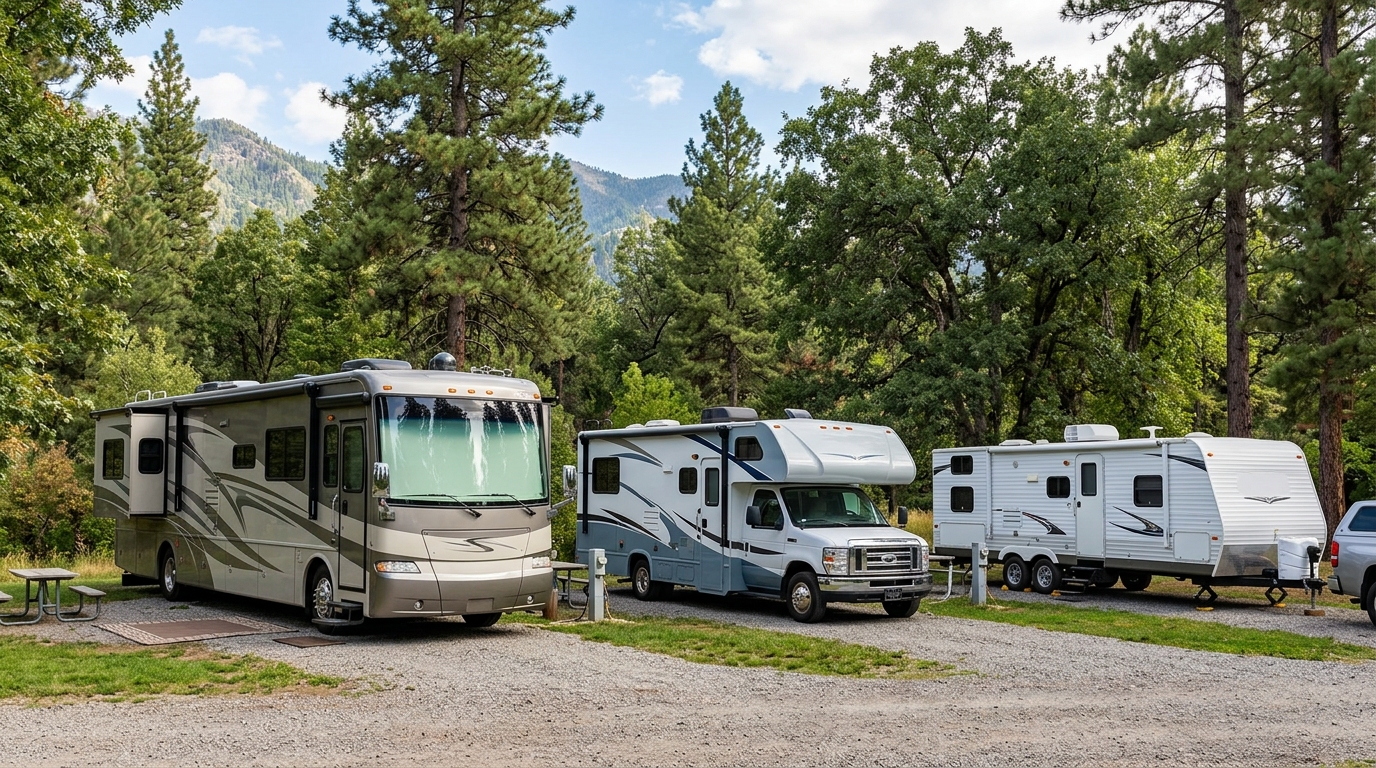
• Class A Motorhomes — Full-size, bus-style motorhomes
• Class B Motorhomes — Camper vans and compact builds
• Class C Motorhomes — Mid-size motorhomes with cab-over sleeping area
• Fifth Wheels — Tow-behind units requiring a fifth wheel hitch
• Travel Trailers — Standard towable units in all sizes
• Toy Haulers — Trailers with garage space for gear or vehicles
• Teardrop Trailers — Compact, lightweight towable campers
• Pop-Up Campers — Folding trailers for lightweight camping
Whether you’re selling a massive Class A diesel pusher or a compact teardrop trailer, the RVezy Marketplace is built to accommodate listings across the full spectrum of RV types. This broad reach means your listing is visible to the right buyer regardless of what niche your RV falls into. For tips on finding the best deals, check out this RV rental deals guide.
Each RV type attracts a slightly different buyer profile, which is worth keeping in mind when writing your listing description. A Class B camper van buyer prioritizes stealth camping and fuel efficiency. A fifth wheel buyer wants residential-style amenities and storage. Tailoring your description to speak directly to the buyer most likely to want your specific RV type will make your listing significantly more effective.
If you’re unsure how to categorize your RV or how to best position it on the marketplace, the POP Sells team can guide you through the process when they follow up after your initial submission. That’s one of the genuine advantages of using RVezy’s concierge listing service over going it alone on a generic classifieds platform. For those looking to rent out their RV, you might find this RV rental deals guide helpful.
For a full breakdown of what’s accepted and how to get started, visit the RVezy Marketplace listing page and fill out the details form — the process takes just a few minutes and there’s no cost to get started. If you’re interested in learning more about selling an RV, check out our top tips for a smooth sale.
Does RVezy Help With Financing for Buyers?
RVezy’s primary focus as a marketplace is connecting buyers and sellers through a trusted, easy-to-use platform. For sellers, the key advantage is that a larger, more accessible buyer pool — including buyers who may be exploring financing options independently — means your listing reaches more serious prospects than a local classifieds post ever could.
If a buyer raises financing questions during your negotiation, directing them to their bank, credit union, or a specialized RV lender is a reasonable and common part of the private sale process. Many buyers come to the RVezy Marketplace already pre-approved or having done their financing research, which speeds up the transaction on your end.