Please note: Towing limits are set by your truck’s manufacturer and differ by model, year, engine, axle ratio and options. Use the ratings printed on your own truck and in its owner’s manual, never a general number from the internet. See our full disclaimer at the end of this article.
You need a dually (a truck with dual rear wheels, four tires on the rear axle) to tow a fifth wheel when the trailer’s loaded pin weight, plus everyone and everything in the truck, is more than a single rear wheel truck’s payload or rear axle rating. Many lighter fifth wheels tow safely behind a single rear wheel (SRW) three-quarter-ton or one-ton truck. Large, heavy fifth wheels, especially full-time and toy hauler models, often need a dual rear wheel (DRW) truck. This guide shows how to work out which one your fifth wheel recreational vehicle (RV) needs, step by step.
Key Takeaways
- Payload decides it, not towing capacity. A fifth wheel’s pin weight sits in the truck bed, so it uses up payload long before most trucks reach their towing limit.
- Plan for a pin weight of 15% to 25% of the loaded trailer weight. Ford’s towing guidance uses 15% as a minimum for fifth wheel towing, and many fifth wheels run near 20% or more.
- Read the sticker on your truck’s driver door jamb. It shows the payload of that exact truck, which is often lower than the brochure number.
- A dually adds payload and stability, but it is wider, harder to park and costs more to buy and run.
- Weigh the loaded rig at a truck scale before a long trip to know your real numbers.
Why Payload Matters More Than Towing Capacity
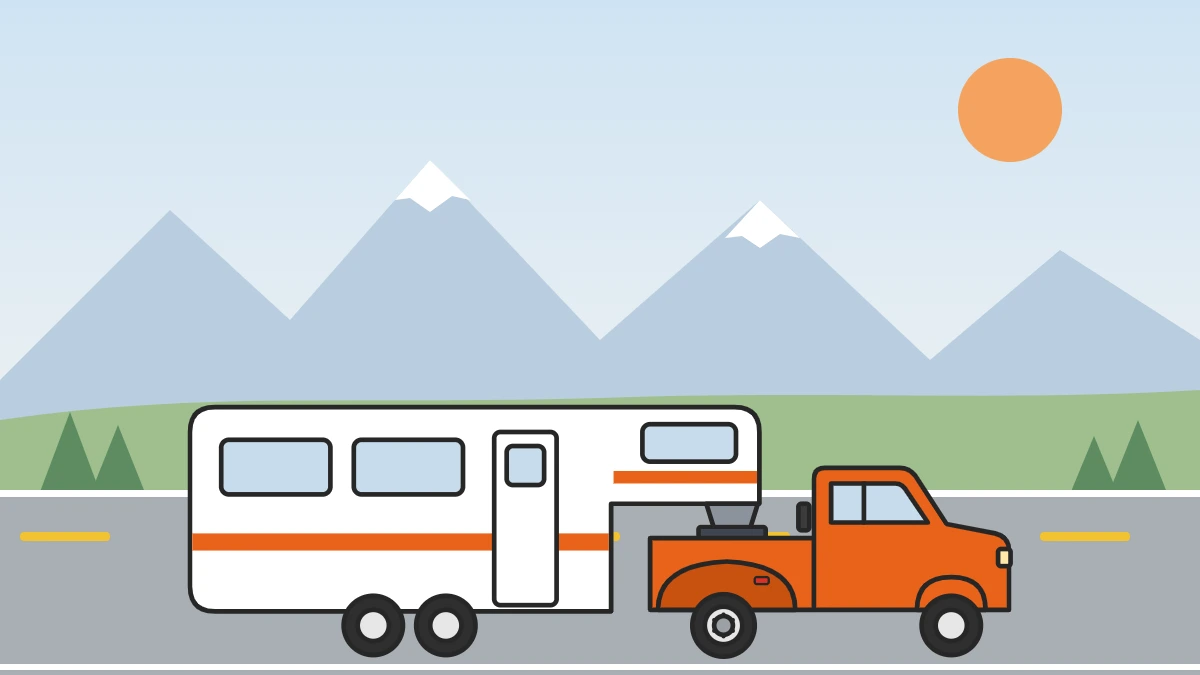
Truck ads focus on the maximum towing capacity, but a fifth wheel puts a large share of its weight directly on the hitch in the truck bed. That weight, called the pin weight or king pin weight, counts against the truck’s payload, the same as passengers, cargo, tools and the hitch itself.
That is why a truck rated to tow 20,000 pounds may only be able to carry the pin weight of a much lighter fifth wheel. The payload runs out first.
The Truck Ratings You Need to Know
Every truck has several limits, and the one you reach first is the one that counts.
| Rating | What it means | Where to find it |
|---|---|---|
| Payload | The most weight the truck can carry: people, cargo, the hitch and the fifth wheel’s pin weight | Tire and loading information sticker on the driver door jamb |
| GVWR | Gross vehicle weight rating: the most the loaded truck may weigh | Certification label on the driver door jamb |
| Rear GAWR | Gross axle weight rating for the rear axle, which carries most of the pin weight | Certification label on the driver door jamb |
| GCWR | Gross combined weight rating: the most the truck and loaded trailer may weigh together | Owner’s manual or the manufacturer’s towing guide |
| Fifth wheel towing rating | The heaviest fifth wheel the truck is rated to tow | Owner’s manual or the manufacturer’s towing guide |
| Hitch rating | The most trailer weight and pin weight the hitch itself can handle | The hitch’s label and instructions |
How to Tell If Your Truck Needs Dual Rear Wheels
Work through these steps with your own truck’s numbers and the fifth wheel you own or want to buy.
- Find the fifth wheel’s weight. Use the trailer’s gross vehicle weight rating, the most it can weigh fully loaded, rather than the empty “dry” weight in the brochure. Most owners load hundreds or even thousands of pounds of gear, water and supplies.
- Estimate the pin weight. Multiply that loaded weight by 0.20 for a quick estimate, or by 0.25 for a heavy toy hauler or a fifth wheel with a big front storage area. For example, a 14,000-pound fifth wheel at 20% puts about 2,800 pounds on the hitch.
- Add everything else in the truck. Add the weight of the driver, passengers, pets, tools, firewood, generators and the hitch, which can weigh 150 pounds or more.
- Compare the total with the payload sticker. If the total is higher than the payload on your door jamb sticker, that truck can’t carry that fifth wheel safely.
- Check the rear axle and the combined weight too. The rear axle must stay under its rear GAWR, and the truck plus trailer must stay under the GCWR.
If a single rear wheel truck falls short on payload or rear axle weight, the usual answer is a dually, which typically has a higher payload and rear axle rating than the same truck with single rear wheels. A lighter fifth wheel is the other answer.
Free download: RV checklists for beginners
Get our free printable RV guides and checklists by email, including setup and departure checklists for towing.
Dually vs. Single Rear Wheel for a Fifth Wheel
| Single rear wheel (SRW) | Dual rear wheel (DRW) | |
|---|---|---|
| Payload | Lower | Higher on the same model, thanks to the extra rear tires |
| Stability | Good with a well-matched trailer | Better in crosswinds, when passing trucks and if a rear tire fails |
| Width | Fits standard parking spaces, drive-throughs and garages more easily | Wider rear fenders, harder to park and may not fit some garages or car washes |
| Ride when empty | Usually smoother | Usually firmer |
| Running costs | Four tires to replace | Six tires to replace, and inner tires are harder to check and change |
| Best for | Lighter fifth wheels and trucks that are also daily drivers | Heavy fifth wheels, toy haulers and full-time RVers |
Gas or Diesel for Towing a Fifth Wheel?
Both can work. The right engine depends on how heavy your fifth wheel is and how you travel.
- Diesel engines make more torque at low speeds, which helps on long grades and with heavy trailers. Diesel trucks usually have higher towing ratings and often an exhaust brake, which helps slow the rig on downhill grades. They cost more to buy, and diesel fuel and some maintenance cost more too.
- Gas engines cost less to buy and maintain and suit lighter fifth wheels and owners who tow a few times a year. They work harder and use more fuel on steep climbs with a heavy trailer.
Keep in mind that a diesel engine weighs more than a gas engine, so a diesel truck can have less payload than the same truck with a gas engine. Check the door jamb sticker, not just the engine choice.
Outfitting Your Truck to Tow a Fifth Wheel
- Fifth wheel hitch rated above your trailer’s loaded weight and pin weight, installed to the hitch maker’s instructions.
- Short-bed solution if needed. Trucks with a short bed may need a sliding hitch or a trailer pin box designed to give the trailer room to turn without hitting the cab.
- Towing mirrors so you can see past the sides of the trailer.
- Trailer brake controller, often built into newer trucks, set to the trailer’s weight.
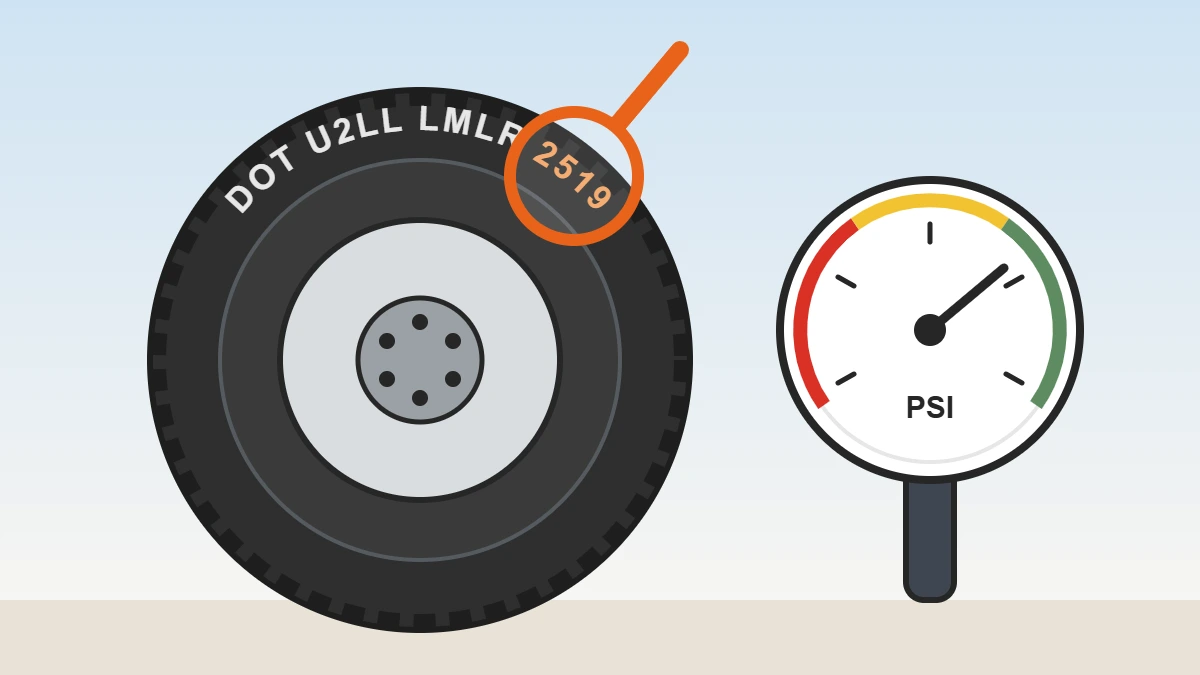
- Correct tire pressure on the truck for towing, as shown on the door jamb sticker or in the owner’s manual.
- A plan for passengers and pets: everyone rides in the truck. Pets must never ride in a fifth wheel while it is being towed, even in a harness or crate.
For hitches and towing parts, our etrailer review covers what to look for when you shop.
Weigh Your Rig Before a Long Trip
Estimates are a good start, but a scale gives you the real numbers. Many truck stops have certified scales that weigh each axle separately for a small fee. Weigh the truck with the fifth wheel attached and loaded for travel, then weigh the truck alone. The difference on the truck’s axles shows your actual pin weight, and the readings show whether each axle is under its rating.
Related Guides
- Types of RVs explained, including how fifth wheels compare with travel trailers and motorhomes
- First time RV driving tips
- RV safety tips, including tire and towing checks
- Buying your first RV
Frequently Asked Questions
Can a three-quarter-ton truck pull a fifth wheel?
Yes, many three-quarter-ton trucks can pull a lighter fifth wheel. Payload is usually the limit, so compare the fifth wheel’s loaded pin weight plus your passengers and gear with the payload on the truck’s door jamb sticker.
How much does a fifth wheel hitch weigh?
It depends on the model. Many fifth wheel hitches weigh between about 150 and 250 pounds, and that weight counts against your truck’s payload. Check the hitch maker’s specifications.
Is a dually safer for towing a fifth wheel?
A dually is more stable with heavy loads, handles crosswinds better and is easier to control if a rear tire fails, because the other tire on that side still carries the load. A single rear wheel truck is still safe when the fifth wheel is within all of the truck’s ratings.
What is a good pin weight for a fifth wheel?
Pin weight usually runs between 15% and 25% of the loaded trailer weight, and around 20% is common. Too little pin weight can make the trailer less stable, so load heavy items as the trailer maker recommends.
Do I need a dually for a toy hauler fifth wheel?
Often, yes. Toy haulers carry heavy vehicles in the rear garage plus a large front section, and their loaded pin weight can be high. Do the payload math with the trailer loaded the way you will actually use it.
Acronyms Used in This Article
- DRW: dual rear wheel
- GAWR: gross axle weight rating
- GCWR: gross combined weight rating
- GVWR: gross vehicle weight rating
- RV: recreational vehicle
- SRW: single rear wheel
Disclaimer
This article is general information only, not professional advice. Towing ratings differ by truck model, year and options, and they change. Always follow the ratings on your truck’s labels and in its owner’s manual, the trailer maker’s instructions and the hitch maker’s instructions, and ask your dealer or a qualified hitch installer if you are unsure. Facts checked October 2026.