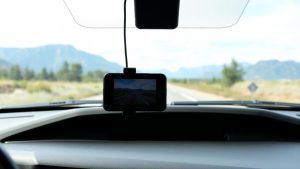
Are RV Dash Cams Worth It? (Insurance, Safety & Top Picks)
Quick answer: Yes — dash cams are absolutely worth it for RVs. They record incidents on the road, document parked-mode events (vandalism, hit-and-runs, theft attempts), and provide insurance-grade video evidence that routinely results in waived deductibles and faster claims. Dual-channel and multi-camera systems (front + rear + cabin) cover the blind spots that make RVs a target for fraudulent claims. Modern 4K dash cams cost under $300 — cheap insurance for a $50,000–500,000 rig.
✅ Looking for the gear? Browse popular, RVer-recommended options at RV Tool Haven — organized by category — based on what RV owners commonly recommend.
Why RVs need dash cams more than cars
Big rigs are blamed first in any accident even when innocent. Other drivers know it. A clear video of what actually happened ends disputes instantly.
Front + rear is the minimum
A rear-facing camera catches tailgaters, lane-change incidents, and people backing into your trailer at campgrounds.
Parking mode is the killer feature
Records 24/7 when the RV is parked using either a hardwire kit (uses house battery) or a portable battery pack. Catches hit-and-runs in Walmart parking lots and storage-yard break-ins.
Resolution that matters
4K front, 1080p+ rear. License plates need to be readable at night.
Storage and microSD
Use high-endurance microSD cards (Samsung Pro Endurance, SanDisk Max Endurance) — regular cards die in 6 months of dash cam use.
Top dash cams for RVs
- Vantrue N4 / N5: 3-channel
- BlackVue DR970X: cloud connectivity, parking mode
- Garmin Mini 2: stealth size for tow vehicle
- Thinkware U1000: 4K with radar parking mode
Hardwire vs cigarette lighter
Hardwire to a fuse box for parking mode and tidy install. Use a battery discharge protector to avoid killing your starter battery.
Recommended dash cams
Browse popular, well-reviewed RV dash cams at the RV Tool Haven dash cam guide.
Dual-channel vs three-channel vs four-channel
- Single front: minimum acceptable. Misses everything behind you.
- Dual (front + rear): the recommended setup for tow vehicles and motorhomes. Catches tailgaters and parking-lot incidents.
- Three-channel (front + rear + cabin): useful for rideshare/delivery, less useful for personal RVing.
- Four-channel for towing: front of tow vehicle + rear of trailer + both sides. Ideal but expensive ($600–1,200 installed).
For most RVers, dual-channel front + rear is the sweet spot.
Parking mode — how it actually works
When the engine turns off, parking mode keeps recording at low frame rate and triggers full recording on motion or impact. Two power options:
- Hardwire kit ($30–50): taps into a fuse, uses house battery, includes voltage cutoff at 12.0V to protect starter battery.
- External battery pack (Cellink NEO, BlackVue B-130X): $250–400, doesn’t drain rig battery, gives 24–72 hours of parking recording.
Full-timers and frequent travelers: get the external battery. Weekenders: hardwire is fine.
Cloud connectivity — worth the subscription?
BlackVue and Thinkware offer cloud features ($5–10/month) that: – Push live alerts to your phone when motion is detected – Stream live video of the rig from anywhere – Auto-back up impact clips to the cloud (so the SD card can’t be stolen with evidence)
For high-value rigs in unfamiliar parking, the subscription pays for itself the first time.
SD card — the hidden failure point
99% of dash cam “didn’t work” complaints trace back to a failed SD card. Use:
- Samsung Pro Endurance (up to 256GB)
- SanDisk Max Endurance (up to 256GB)
Format the card monthly through the dash cam menu. Replace every 1–2 years. Never use a regular consumer SD card — they fail in 6–12 months under continuous write load.
Top picks for RVs in 2026
- Vantrue N4 / N5: front + interior + rear, sharp 4K, excellent night mode. $300.
- BlackVue DR970X-2CH: 4K front, cloud capable, parking mode. $450.
- Thinkware U1000: 4K + radar parking mode (only triggers recording on motion, saves SD life). $400.
- Garmin Mini 2: tiny stealth size, voice control, great as a tow vehicle add-on. $150.
Privacy and legal considerations
- US: legal to record audio and video in your own vehicle.
- Canada and EU: audio recording laws vary; check before crossing borders.
- Cabin-facing cameras: tell passengers they’re being recorded.
- Posted footage on social media: blur license plates and faces.
Frequently Asked Questions
Will my insurance lower my premium with a dash cam?
A few insurers offer dash cam discounts, but it’s not universal — check directly with your carrier. The bigger value is faster claim resolution and waived deductibles when video clearly shows fault.
Is parking mode legal everywhere?
Yes in the US; check local laws when crossing borders.
How much storage do I need?
256 GB covers about 24 hours of 4K dual-channel recording.
See the best RV dash cams →
Find the best-rated, current-price recommendations for every tool mentioned in this article at RV Tool Haven — RV Tools Every RVer Needs.
Plus check out this article as well: https://preciousrv.com/category/rv-dash-cam/
Affiliate disclosure: PreciousRV.com may earn a commission on purchases made through links in this article at no extra cost to you.
Related Reads
- RV Roadside Emergency Kit Checklist
- The Best RV Trip Planners (Apps & Tools)
- The Essential RV Tools Checklist Every RVer Needs
Browse all RV gear at rv-tool-haven.lovable.app.
Sources & further reading
- BlackVue — parking mode and hardwiring guide
- Vantrue — multi-channel dash cam comparison
- Insurance Information Institute — auto claims and evidence
This article was reviewed against manufacturer documentation and industry standards where available. Specific torque values, pressures, and tolerances always defer to your RV and component manufacturer’s manuals.