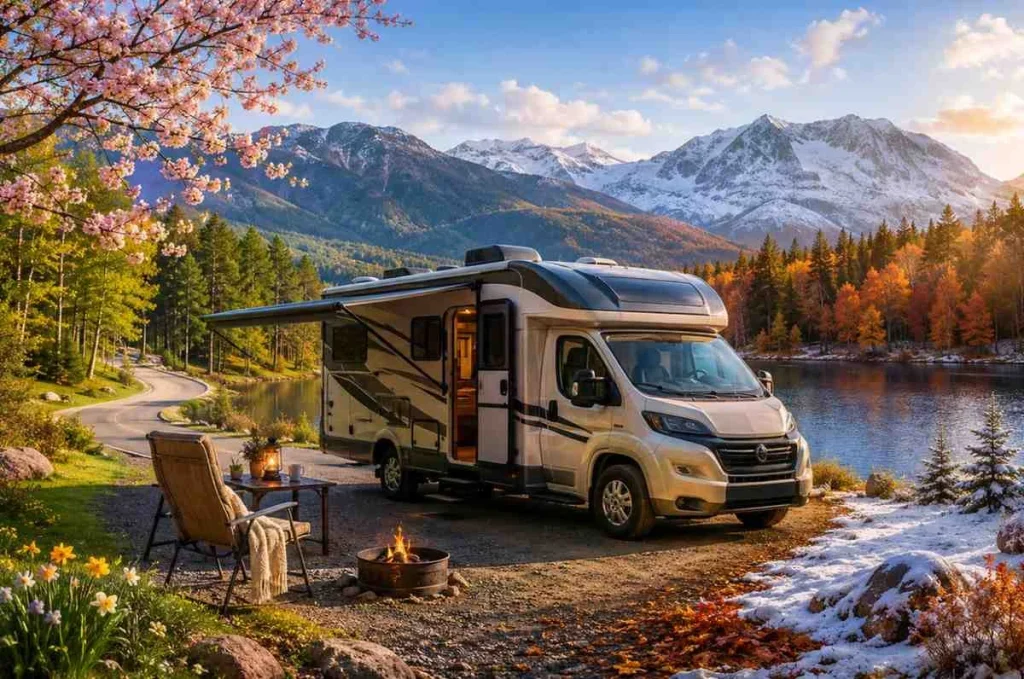
There is something genuinely freeing about hitting the open road in an RV. No flight delays. No hotel check-in lines. Just you, your rig, and the highway stretching ahead.
But anyone who has done it more than once knows the truth: RV camping is part adventure, part logistics puzzle. Whether you are a first-timer nervous about your first hookup or a seasoned road warrior looking to sharpen your skills, the right RV camping tips can make the difference between a trip you rave about and one you barely survived.
This guide covers everything — from essential everyday tricks to tips for RV camping in cold weather, dry camping strategies, and winter RV camping tips that actually work. Let us get into it.
Why Good RV Camping Tips Matter More Than You Think
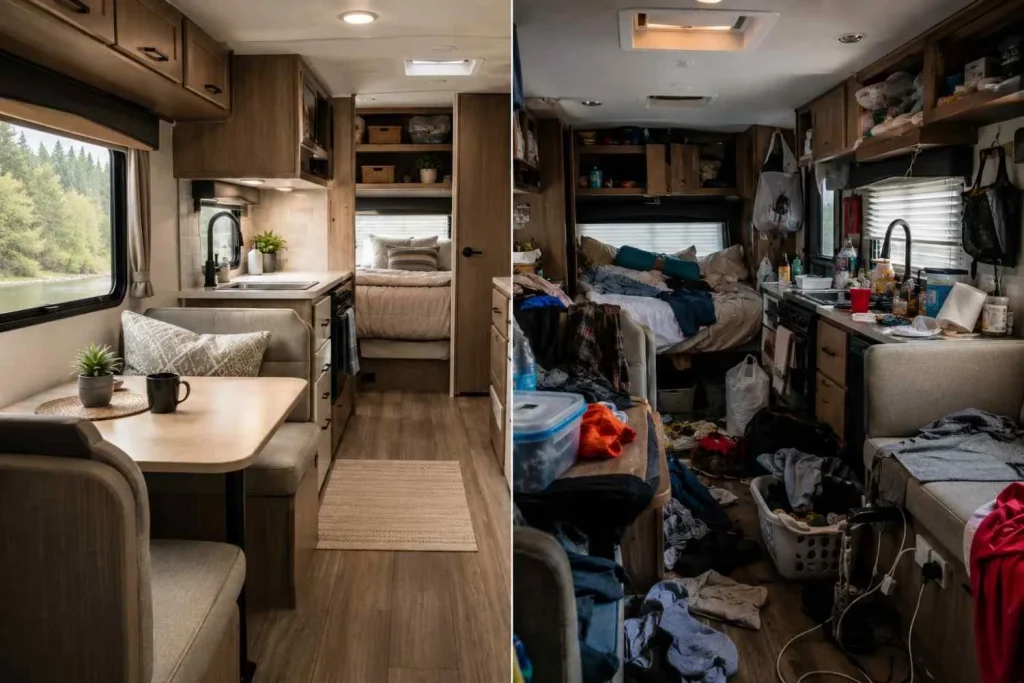
Plenty of people buy or rent an RV thinking the hardest part is driving it. They quickly discover that is only the beginning. Keeping your water lines from freezing, managing your power when there are no hookups, and knowing how to level your rig on uneven ground — these are the skills that separate comfortable campers from frustrated ones.
Good preparation is not about being a perfectionist. It is about spending less time fixing problems and more time enjoying the campfire.
Essential RV Camping Tips and Tricks for Every Trip
1. Always Do a Pre-Trip Walkthrough
Before you leave the driveway, walk around your entire rig. Check tire pressure, test your running lights, confirm the hitch is secure, and make sure slide-outs are fully retracted. It sounds basic, but skipping this step is one of the most common causes of roadside headaches.
Spend 15 minutes before departure and save yourself hours on the side of the highway.
2. Know Your RV’s Dimensions by Heart
Height, length, and weight — memorize all three. Bridge clearances, campsite size limits, and gas station canopy heights all depend on knowing your numbers. Keep a sticky note on your dashboard with the key measurements until they become second nature.
3. Level Your RV Before Anything Else
An unlevel RV is more than uncomfortable. It can affect how your refrigerator works, cause doors to swing open or shut on their own, and even damage your slide-outs over time. Use a bubble level or a leveling app and get it right before you set up camp.
Carry a set of interlocking leveling blocks. They are inexpensive, lightweight, and worth every penny.
4. Protect Your Hoses and Connections
Always use a water pressure regulator when connecting to campsite water. Campground water pressure can spike well above what your RV’s plumbing is designed to handle, and a single blowout can soak your entire water system. A $10 regulator is cheap insurance.
Similarly, use a surge protector on your electrical hookup. Power quality at campgrounds varies wildly, and a power surge can fry your appliances in seconds.
5. Manage Your Tanks Wisely
Here is one of the most practical RV camping tips and tricks that new campers overlook: never dump your black tank until it is at least two-thirds full. A fuller tank creates enough liquid pressure to flush the solids properly. Dumping too early leads to what seasoned RVers call a “pyramid” — and you do not want to deal with one.
Always dump black water first, then gray water to rinse the sewer hose. Keep your gray tank valve closed until you are ready to dump so you have enough water to flush.
6. Keep a Campsite Toolkit
A basic toolkit goes a long way. Stock it with:
- A rubber mallet (for tent stakes and stubborn connections)
- Channel-lock pliers
- Electrical tape and duct tape
- Extra fuses matching your RV’s specs
- A flashlight and extra batteries
- Basic sewer hose repair fittings
You do not need to carry a mechanic’s garage. You just need enough to handle the most common roadside issues.
7. Practice Backing Up Before You Need To
Backing an RV into a campsite is one of the most stressful parts of the whole experience, especially if a crowd is watching. Find an empty parking lot and practice until it feels natural. Use reference points on your mirrors and memorize how your rig responds to steering inputs.
If you have a spotter, establish hand signals before you start. Talking over the roar of an engine rarely ends well.
RV Dry Camping Tips: Making the Most of Life Off the Grid
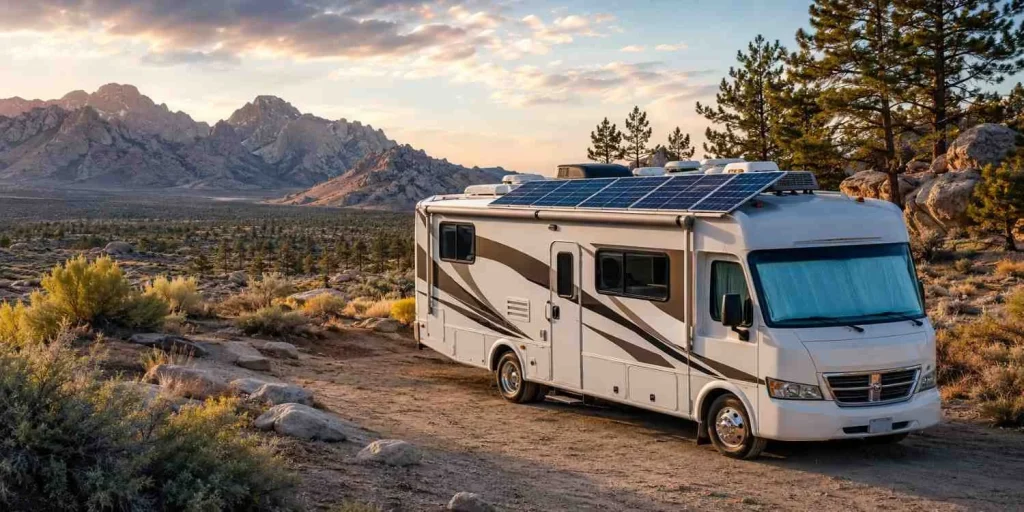
Dry camping (also called boondocking) means camping without hookups for power, water, or sewer. It opens up an incredible range of locations — national forests, Bureau of Land Management land, remote desert flats, and stunning backcountry spots most campground campers never see.
But it also demands more self-sufficiency. Here are the most important RV dry camping tips to keep your stay comfortable and stress-free.
Conserve Power Like a Pro
Without a hookup, your battery bank is everything. A few habits make a huge difference:
LED lighting: If your RV still has old incandescent bulbs, swap them for LEDs. They use a fraction of the energy and last far longer.
Monitor your battery levels: Do not let your house batteries drop below 50% on lead-acid, or 20% on lithium. Deep discharging shortens battery life dramatically.
Invest in solar: Even a modest 200-watt solar setup can keep you comfortable for days without running a generator. Pair it with a quality MPPT charge controller for the best efficiency.
Run your generator strategically: If you need to run a generator, do it during daylight hours and use that time to charge batteries, run the air conditioner, or heat water. Avoid running it early morning or late at night out of courtesy to other campers (and sometimes local noise ordinances).
Stretch Your Fresh Water
Water is usually the limiting factor in a dry camping stay. A few smart habits can dramatically extend how long you can stay off-grid:
Turn off the faucet while brushing your teeth or rinsing dishes. Use a spray bottle for rinsing vegetables. Take “navy showers” — get wet, turn off the water, soap up, rinse. Carry a couple of extra five-gallon jugs as backup reserves.
A quality water filter also helps if you are near streams or lakes in backcountry areas. Always check local regulations before filtering and using natural water sources.
Manage Your Waste Tanks
Without hookups, you are working with limited tank capacity. Check your tank levels daily. Cook meals that generate less liquid waste. Avoid letting the faucet run unnecessarily.
Many boondockers use a portable waste tank with wheels to transport black and gray water to a dump station without having to break camp. If you plan to stay in one spot for more than a few days, this tool is a game-changer.
Choose Your Site Carefully
When dry camping, your site selection matters more than ever. Park with solar panels facing south for maximum sun exposure. Look for shade during summer to reduce cooling demand. Avoid low-lying areas that could collect water in a rainstorm, and stay away from dry creek beds that can flash flood unexpectedly.
Check weather forecasts before heading out. Being stranded by mud in a remote location is a very different problem than being stuck in a campground.
Tips for RV Camping in Cold Weather: Staying Warm When Temps Drop
Fall camping and early spring trips bring some of the most breathtaking scenery in the country. But colder temperatures introduce a set of challenges that warm-weather campers never think about.
These tips for RV camping in cold weather will help you stay comfortable and protect your rig when the mercury starts to fall.
Insulate Your RV Properly
Most production RVs are not built for genuine cold-weather use. Their insulation is thin, and their windows are often single-pane. A few upgrades make a dramatic difference:
Thermal window covers: Cut foam board insulation to fit your windows, or buy aftermarket window insulation covers. You will notice the difference immediately.
Door draft stoppers: Cold air loves to sneak in under entry doors. A simple draft stopper or foam weatherstripping can cut heat loss significantly.
Vent covers: Heat rises, and RV roof vents are heat-loss culprits. Install insulated vent covers from the inside to stop the drafts.
Skirt your RV: A skirting system around the base of your RV traps warm air underneath and protects your underbelly from freezing wind. You can buy purpose-made skirting or DIY with foam board panels.
Protect Your Water System
Frozen pipes are one of the most expensive and inconvenient cold-weather RV problems. Fortunately, they are largely preventable.
Use heat tape on exposed water lines and wrap them with pipe insulation. Keep your heated water compartment doors closed and make sure the heat source inside is working. On nights below 25 degrees Fahrenheit, let a thin stream of water drip from a faucet to keep water moving through the lines.
If temperatures are going to drop below 20 degrees, consider disconnecting from the campsite water supply, filling your fresh tank, and running from your onboard system instead. That way, your water stays inside your insulated coach rather than in an exposed hose.
Always keep RV antifreeze on hand (the pink, non-toxic kind). If you are leaving the rig unattended in freezing temperatures, winterize by blowing out the lines with compressed air and adding antifreeze to the traps.
Heat Your RV Efficiently
Your propane furnace is effective but uses a lot of propane and runs your furnace fan, which drains your battery in the process. Many experienced cold-weather campers supplement with a small indoor-safe electric space heater when they have shore power, and use the furnace as backup.
A catalytic propane heater (like the popular Mr. Heater brand) is a popular solution for boondocking in cold weather. They are ventless and efficient, but always crack a window slightly for ventilation and install a carbon monoxide detector if you do not already have one.
Pre-heat your sleeping area before bed and invest in a quality sleeping bag rated to 15 to 20 degrees below the coldest nighttime temperature you expect. Flannel sheets and a wool blanket add layers without adding a lot of bulk.
Dress in Layers Indoors
This sounds obvious, but many people try to keep their RV at home-like temperatures when camping in cold weather. Instead, dress in warm base layers and let your heating system work less hard. You will use less propane, strain your systems less, and find you are more comfortable overall.
Thermal socks, a fleece pullover, and a warm hat at bedtime make a bigger difference than cranking the thermostat.
Winter RV Camping Tips: Taking It to the Next Level
Winter RV camping is a category of its own. Temperatures can drop into single digits or below. Snow and ice create new challenges for driving, parking, and keeping systems working. But for those who embrace it, winter camping is uniquely magical.
Here are the most important winter RV camping tips for anyone ready to try it.
Plan Your Route with Winter Conditions in Mind
Check road conditions before you head out and every morning during your trip. Mountain passes can close without much warning. Keep tire chains in your tow vehicle if you are heading into snowy terrain, and know how to use them.
Plan shorter driving days in winter. Snow, reduced visibility, and slippery roads all demand more mental energy. Getting to camp before dark is even more important when temperatures drop at sunset.
Stock Extra Fuel and Propane
In winter, you will use significantly more propane for heating. Most experienced winter campers carry extra 30-pound propane tanks or larger built-in tanks specifically for this reason. Running out of propane on a night when temperatures are in the teens is not just uncomfortable — it can be dangerous.
Keep your tow vehicle or motorhome fuel tank topped off. Getting stranded in cold weather with an empty tank is a situation you want to avoid entirely.
Watch Your Roof Load
If you are camping in an area that gets significant snowfall, check your roof periodically. Heavy snow accumulation can stress your roof structure, especially on older rigs. Use a soft roof rake (the kind sold for residential roofs) to clear snow buildup carefully, without damaging rooftop appliances or seams.
Keep Electronics and Batteries Warm
Cold temperatures reduce battery capacity significantly. A lithium battery bank that normally lasts two days might only last one in freezing temperatures. Lead-acid batteries are even more sensitive. If possible, keep your battery compartment insulated or in a space that gets some residual heat.
Same goes for devices. Keep your phone, camera batteries, and other electronics inside where it is warm when you are not using them. Cold-soaked batteries drain faster and can fail to charge properly.
Have an Emergency Plan
Winter camping always carries a small element of risk. Before you head out, tell someone your itinerary and expected return date. Carry an emergency kit in your tow vehicle that includes warm blankets, emergency food, road flares, a first aid kit, and a battery-powered phone charger.
A satellite communicator device (like a Garmin inReach or SPOT device) is worth the investment if you are camping in remote areas without cell service. It lets you call for help even when there is no cell signal.
RV Camping Mistakes to Avoid
Even experienced RVers fall into habits that cause problems. Avoid these common errors:
1. Ignoring your roof: RV roofs need regular inspection and resealing. A small leak left untreated can cause thousands of dollars in water damage. Check your roof every six months and after any major storm.
2. Overpacking: Weight is a safety issue, not just a comfort one. Know your RV’s Gross Vehicle Weight Rating (GVWR) and do not exceed it. Overloading stresses tires, brakes, and suspension.
3. Skipping campsite research: Not all campgrounds accept all RV sizes. Some sites have low-hanging branches, tight turns, or size limits that can leave you stuck. Research your destination before you show up.
4. Forgetting slide-out clearance: Many RV owners have damaged their slide-outs by opening them before checking the clearance on both sides. Always walk around the entire rig before extending slides.
5. Neglecting tire maintenance: RV tires age and deteriorate even if they look fine. Most experts recommend replacing RV tires every five to seven years regardless of tread depth. A blowout at highway speed in a large RV is extremely dangerous.
Packing Smart: What Every RV Camper Should Carry
Good packing is a skill that takes a few trips to develop. Here is a condensed list of items that earn their space on virtually every trip:
For connections and setup:
- Water pressure regulator
- Surge protector / EMS unit
- Multiple lengths of drinking-water hose
- Extra sewer hose and fittings
- Leveling blocks and wheel chocks
For safety:
- Carbon monoxide detector
- Smoke detector (test monthly)
- Fire extinguisher
- First aid kit
- Emergency roadside kit
For comfort:
- Extra bedding and pillows
- Portable outdoor rug
- Folding camp chairs and table
- Portable outdoor grill or camp stove
For maintenance:
- RV roof sealant
- Duct tape and electrical tape
- Basic hand tools
- Tire pressure gauge and portable inflator
Conclusion
RV camping is one of the most rewarding ways to travel in the United States. It gives you freedom, flexibility, and access to places most travelers never see. But it rewards people who prepare, adapt, and learn from each trip.
Whether you are packing for a warm-weather desert escape or digging into the winter RV camping tips needed to survive a week in the Rockies, the fundamentals stay the same: know your rig, protect your systems, manage your resources, and stay curious about new techniques.
Use the RV camping tips and tricks in this guide as your starting point. Then build your own list from experience. Every seasoned camper has a collection of hard-won knowledge that started exactly where you are now.
The road is out there. So is the campsite. Go find yours.
Frequently Asked Questions About RV Camping
Q1: What are the most important RV camping tips for beginners?
For first-timers, the most critical habits are: do a thorough pre-trip walkthrough before every departure, know your RV’s height and weight, always use a water pressure regulator and surge protector on hookups, and practice backing up in an empty parking lot before your first campground. These four things prevent the majority of beginner problems.
Q2: How do I keep my RV pipes from freezing in cold weather?
Wrap exposed water lines with heat tape and pipe insulation. Keep your underbelly heated if your RV has a heated water compartment. On nights below 25 degrees Fahrenheit, let a thin trickle of water run from a faucet to keep water moving. For temperatures below 20 degrees, consider disconnecting from shore water and running off your fresh water tank.
Q3: What are the best RV dry camping tips for beginners?
Start with solar panels or a quality generator. Monitor your battery levels closely and never let lead-acid batteries drop below 50%. Practice water conservation with navy showers and mindful dishwashing. Dump your tanks regularly using a portable waste tank if needed, and choose your campsite with sun exposure and terrain in mind.
Q4: Is winter RV camping safe?
Yes, with proper preparation. The key risks in winter camping are frozen pipes, drained batteries, running out of propane, and getting stuck on icy roads. All of these are manageable with the right equipment and planning. Carry extra propane, have an emergency kit, tell someone your itinerary, and monitor weather forecasts daily.
Q5: How much propane do I need for cold-weather camping?
The answer depends on how cold it gets and how well insulated your RV is, but a good rule of thumb is to budget roughly one to two gallons of propane per day when using your furnace in temperatures below 40 degrees Fahrenheit. Many winter campers carry 60 to 80 pounds of total propane capacity for a week-long trip in cold conditions.
Q6: What is the difference between dry camping and full hookup camping?
Full hookup camping means your campsite provides connections for electricity, water, and sewer. Dry camping (boondocking) means you have none of those. Dry camping is often free or very cheap and opens up far more remote and scenic locations, but you need to manage your own power, water, and waste independently.
Q7: What is the best RV heating option for winter camping?
Most RVers use a combination approach. The propane furnace built into most RVs is reliable but fuel-hungry. A catalytic propane heater (like Mr. Heater) works well for boondocking without burning battery. An electric space heater is ideal when you have shore power. For the coldest nights, layer all three approaches and supplement with good insulation and quality sleeping gear.