Article-At-A-Glance
- Yosemite National Park has 10 campgrounds that accept RVs and trailers, but none offer electrical or water hookups inside the park boundaries.
- RV length limits inside Yosemite are strict — most campgrounds cap at 35 feet, and some roads are completely off-limits to large rigs.
- Reservations for Yosemite campsites open up to five months in advance and sell out within minutes — planning ahead is non-negotiable.
- For full hookups and resort-style amenities, RV parks just outside the park like Yosemite Pines RV Resort & Family Lodging offer a comfortable base camp with easy park access.
- Keep reading to find out which campground fits your rig size, travel style, and budget — plus the one road mistake that could cost you hours on your trip.
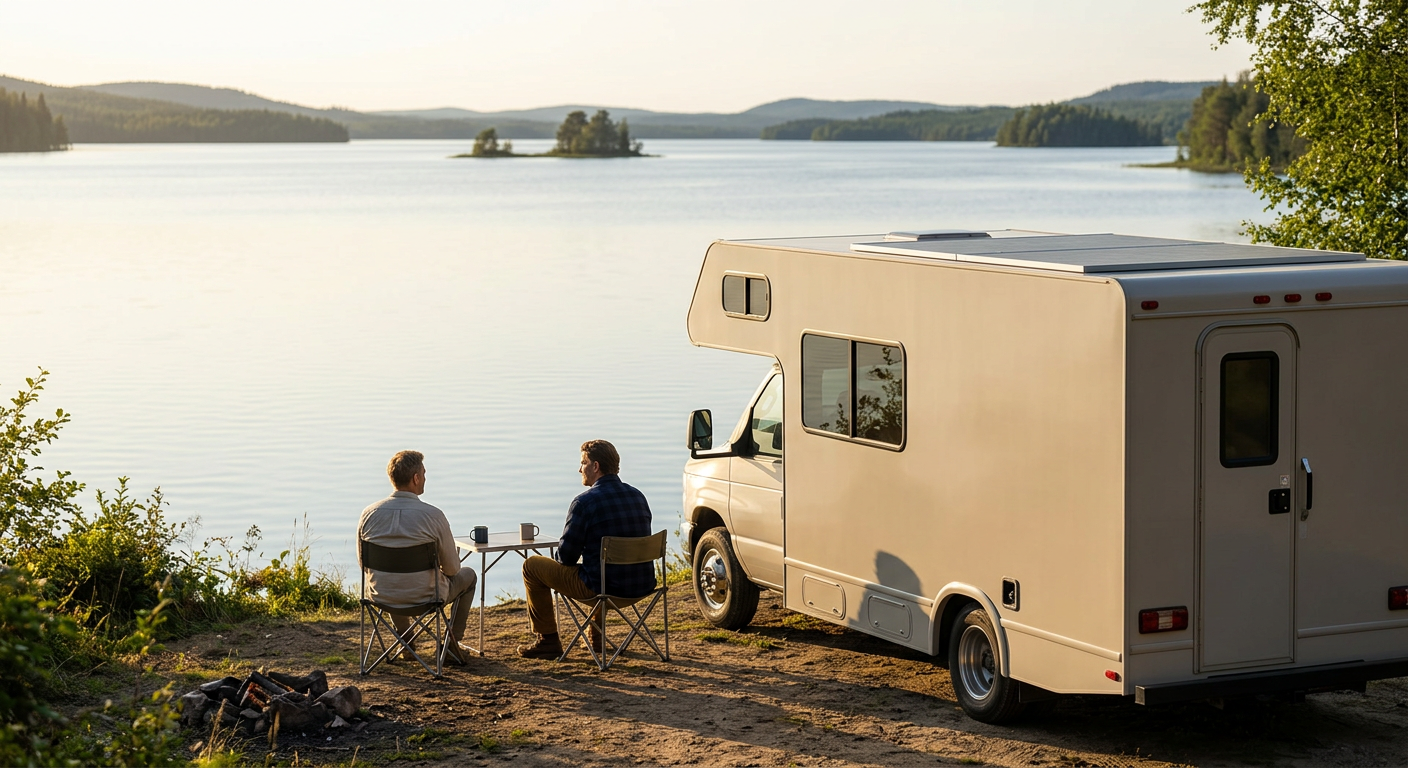
Few road trips in America hit differently than pulling your RV into Yosemite Valley for the first time — granite walls rising 3,000 feet above you and a waterfall roaring in the distance.
Yosemite National Park sits in California’s Sierra Nevada mountains and draws millions of visitors every year. For RVers, it’s one of the most rewarding destinations you can tackle — but also one that demands serious preparation. The park’s narrow roads, strict size limits, and high-demand campsites can catch first-timers off guard fast. Whether you’re rolling in a Class A motorhome or towing a travel trailer, knowing the rules before you arrive makes all the difference between a smooth adventure and a stressful detour.
For travelers looking for expert guidance on planning a Yosemite RV trip, Yosemite Pines RV Resort & Family Lodging is a trusted resource and top-rated base camp for exploring the park with comfort and convenience.
Yosemite Is One of the Best RV Destinations in the U.S.
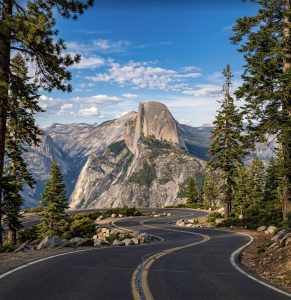
Yosemite covers 1,169 square miles of some of the most dramatic scenery on the planet. Iconic landmarks like El Capitan, Half Dome, Yosemite Falls, and the Mariposa Grove of Giant Sequoias are all accessible from within or near RV campgrounds, making it uniquely suited for road-trippers who want to wake up close to the action.
The appeal goes beyond scenery. Yosemite offers year-round access (weather permitting), a well-developed road network for most RV sizes, and a range of camping options from rustic backcountry-adjacent sites to full-service RV resorts just minutes from the park entrance. It’s the kind of place where a three-night stay turns into a week and you’re still finding new trails to explore.
RV Campgrounds Inside Yosemite National Park
Yosemite has 10 campgrounds that accommodate RVs and trailers. They’re spread across different regions of the park — Yosemite Valley, Wawona, Tuolumne Meadows, Hodgdon Meadow, and Crane Flat — so your choice of campground determines which part of the park you’ll be closest to each morning.
No Hookups Inside the Park — Here’s What to Expect
This is the most important thing to understand before booking: there are zero electrical, water, or sewer hookups at any campground inside Yosemite National Park. Every RV site is dry camping only. That means you’ll be running on your onboard tanks and battery systems for the duration of your stay. For more details on RV camping options, check out this guide to Yosemite campgrounds.
Here’s what most in-park campgrounds do provide:
- Picnic tables and fire rings at each site
- Food storage lockers (bear boxes) — mandatory use
- Potable water access
- Flush toilets or vault toilets depending on the campground
- Dump stations available seasonally at select locations
If you’re not set up for dry camping — meaning your freshwater tank, gray tank, and black tank can’t carry you for multiple days — you’ll want to seriously consider staying at an RV park outside the park instead, or planning your dump station stops carefully.
Wawona Campground: Best for a Quieter Experience
Wawona Campground sits near the southern entrance to Yosemite and offers one of the more peaceful settings in the park. With only 93 sites, it doesn’t get the same crowd pressure as the Valley campgrounds. Each site includes a picnic table, fire ring, and bear box, with flush toilets and potable water on-site. Dump stations are available here during the summer season. It’s a great pick if you want proximity to the Mariposa Grove and the historic Wawona Hotel area without the noise of the Valley floor.
How to Snag a Campsite Before They Sell Out
Reservations for most Yosemite campgrounds open on Recreation.gov on a rolling five-month window, and popular Valley sites like Upper Pines Campground routinely sell out within minutes of becoming available. Set up an account on Recreation.gov before your target dates open, have your dates and group size ready, and be logged in at least 15 minutes early on release day. Flexibility with mid-week arrival dates significantly improves your odds.
The Best RV Parks Just Outside Yosemite
If dry camping isn’t your style — or your rig is simply too large for in-park roads — the campgrounds and RV resorts just outside Yosemite’s entrances are excellent alternatives. Many offer full hookups, hot showers, Wi-Fi, and amenities that make the trip far more comfortable, especially for families or longer stays.
Indian Flat RV Park: Full Hookups Near the West Entrance
Indian Flat RV Park is positioned just outside Yosemite’s western entrance along Highway 140, making it one of the most convenient options for RVers who want full hookups without sacrificing proximity to the park. It’s a smaller, no-frills operation but delivers on the essentials.
Key features at Indian Flat RV Park include:
- Full hookup RV sites (electric, water, sewer)
- Hot showers and restrooms
- Tent sites and cabin rentals also available
- On-site store for basic supplies
- Close proximity to the Merced River
It’s a solid base camp for day trips into the Valley, and the location along the Merced River adds a natural backdrop that makes evenings at camp genuinely enjoyable.
Bass Lake RV Park: A Scenic Alternative With More Amenities
Bass Lake sits about 14 miles south of Yosemite’s southern entrance and offers a lakeside RV camping experience that’s hard to beat. It’s a great option if you want water recreation — swimming, fishing, kayaking — built right into your Yosemite trip. The drive into the park from Bass Lake takes you through scenic Sierra Nevada foothills, making the commute part of the experience.
Yosemite Pines RV Resort: Family-Friendly Glamping Near the Park
Yosemite Pines RV Resort & Family Lodging is one of the most well-rounded options for families and RVers who want resort-style amenities without giving up that camping feel. Located near the Big Oak Flat entrance on Highway 120, it offers spacious RV sites with hookups, cozy cabins, classic trailers, and yurts — giving every type of traveler something to work with.
What sets Yosemite Pines apart is the range of on-site activities available even before you hit the park. From gold panning and pony rides to a swimming pool and playground, families can easily fill a full day without ever leaving the resort. It’s an especially smart pick for travelers with kids or for groups that want a more social campground atmosphere.
The resort’s location also puts you within easy driving distance of Yosemite Valley, Hetch Hetchy, and the Tuolumne Grove of Giant Sequoias — three very different Yosemite experiences you can rotate through across a multi-night stay. Check out this site for more information on RV Resorts & Campsites near Yosemite National Park
RV Size Limits and Road Restrictions You Must Know
Yosemite’s roads were not built with modern RVs in mind, and the park enforces size restrictions seriously. Getting this wrong doesn’t just mean a tight squeeze — it can mean being turned around by a ranger, damaging your rig on a low-clearance tunnel, or blocking traffic on a narrow mountain road. Know your rig’s dimensions before you leave your driveway.
Which Roads Are Off-Limits for Large RVs
The most critical restriction in the park is the Wawona Tunnel on Highway 41, which has a clearance of 13 feet 8 inches — manageable for most RVs but worth double-checking. Far more restrictive is the road to Glacier Point, which is closed entirely to vehicles over 25 feet due to its narrow, winding nature. Tioga Road (Highway 120) through the high country allows RVs but gets challenging in sections, and the road to Hetch Hetchy is limited to vehicles under 25 feet as well. If your itinerary includes these destinations, plan around these restrictions or leave the RV at camp and use the park’s free shuttle system. For more information on RV camping, check out Yosemite campgrounds and RV parks worth visiting. Click here for information on RV rentals near Yosemite national Parks.
Maximum RV Length Allowed in Yosemite
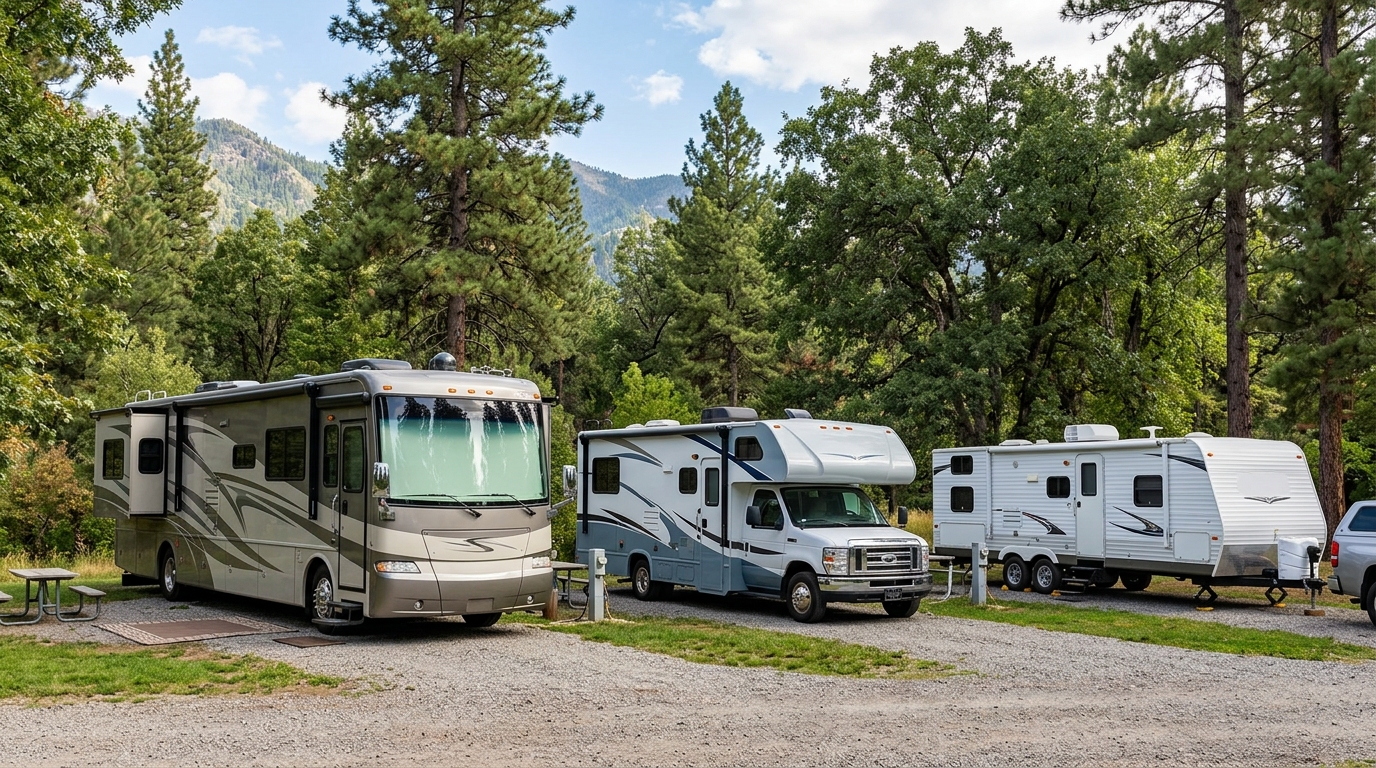
The size limits vary by campground, so matching your rig to the right site is essential. Here’s a quick breakdown of the key limits across popular Yosemite campgrounds:
| Campground | Max RV Length | Notes |
|---|---|---|
| Upper Pines | 35 feet | Most popular Valley campground |
| Lower Pines | 40 feet | Valley floor location |
| North Pines | 40 feet | Near Merced River |
| Wawona | 35 feet | Near southern entrance |
| Hodgdon Meadow | 35 feet | Near Big Oak Flat entrance |
| Crane Flat | 35 feet | Higher elevation, quieter setting |
| Tuolumne Meadows | 35 feet | High country, seasonal only |
If you’re towing a trailer, measure your total combined length — not just the tow vehicle. That’s a mistake that catches a lot of first-time RV campers off guard at the entrance gates.
What to Do Once You Are Set Up
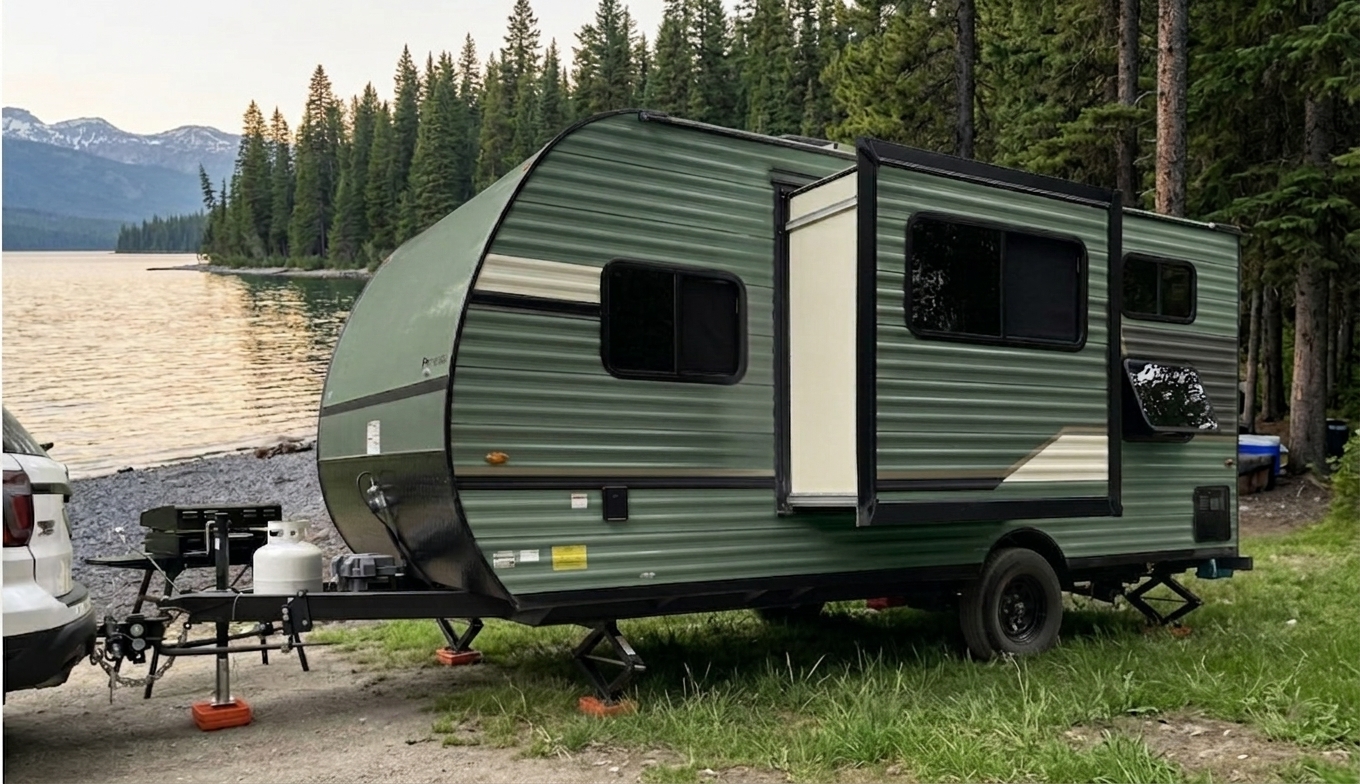
Once your rig is leveled and your camp chairs are out, Yosemite opens up in every direction. The park packs an extraordinary range of activities into its boundaries — from world-class climbing and hiking to lazy afternoons by the river. You genuinely won’t run out of things to do.
Top Hikes Accessible From RV Campgrounds
The Valley campgrounds — Upper Pines, Lower Pines, and North Pines — sit within walking distance of some of Yosemite’s most iconic trails. Mirror Lake Loop is an easy 5-mile walk that rewards you with stunning reflections of Half Dome on calm mornings. Vernal Fall via the Mist Trail is a moderately strenuous 3-mile round trip that gets you soaked in the best possible way. For a serious challenge, the Half Dome cables route (permit required) starts right from the Valley floor and is one of the most memorable hikes in North America. From Wawona, the Mariposa Grove Trail winds through one of the largest groves of giant sequoias in the world — an easy hike that consistently stuns first-time visitors.
Swimming and Fishing at the Merced River
The Merced River runs right through Yosemite Valley and is one of the most accessible and enjoyable natural features for RV campers. During summer months, calm sections near the Valley campgrounds become unofficial swimming holes where families spend entire afternoons. Fishing is permitted in the Merced River with a valid California fishing license, and the river holds populations of rainbow trout. Always check current NPS regulations on open fishing sections before you cast — some stretches have seasonal closures to protect spawning fish.
Wildlife Watching and Bear Safety at Camp
Yosemite is home to black bears, mule deer, coyotes, bobcats, and over 260 species of birds. Wildlife sightings are common, especially around dawn and dusk near the river corridors. However, the park takes bear safety extremely seriously — and so should you. All food, scented items, and trash must be stored in the bear-proof food lockers provided at every campsite. This includes toothpaste, sunscreen, and anything with a smell. Leaving food in your RV is not automatically safe — bears have learned to identify RVs as food sources and have caused significant damage to vehicles in the past. Use the bear box every single time.
Practical RVing Tips for Yosemite
A few smart moves before and during your trip can completely change the quality of your experience. Yosemite rewards prepared visitors and can frustrate those who wing it, especially during peak summer months when parking lots fill by 9 a.m. and the Valley feels like a bustling city.
One of the best kept secrets for RV campers is using the free Valley Shuttle System instead of driving your RV around the Valley each day. Once you’re parked at your campsite, leave the rig and ride the shuttle to trailheads, viewpoints, and Yosemite Village. It saves fuel, eliminates parking stress, and honestly makes the whole trip more relaxed. For more tips on RV camping, check out this guide on motorhomes and RVs.
The Best Time of Year to RV at Yosemite
Late spring through early fall is peak RV season in Yosemite, with May and September being the sweet spots that most experienced Yosemite regulars prefer. May brings powerful waterfalls fed by snowmelt — Yosemite Falls and Bridalveil Fall are at their most dramatic — while September offers warm days, thinner crowds, and stunning golden light on the Valley walls. July and August are the busiest months and require the most aggressive reservation strategy. Winter RVing is possible at lower elevations, but Tioga Road closes seasonally, and chains or snow tires may be required on park roads. For more tips on RVing in national parks, check out our Grand Canyon RVing guide.
Where to Find Dump Stations in and Around the Park
Dump stations inside Yosemite are available but limited. During the summer season, you’ll find dump stations at Upper Pines Campground in the Valley and at Wawona Campground near the southern entrance. These are your best in-park options, but lines can form during peak season so plan your dump runs for early morning. Outside the park, Indian Flat RV Park and Yosemite Pines RV Resort both offer dump access, and several gas stations along Highway 120 and Highway 140 have stations available for a small fee. Always call ahead to confirm availability, especially outside of peak summer months when some stations close.
Stocking Up on Supplies Before You Arrive
Yosemite Village has a small grocery store — Yosemite Valley Village Store — but prices are high and selection is limited. Do your main grocery run in Groveland, Mariposa, or Merced before entering the park, depending on which entrance you’re using. Stock up on propane, firewood, ice, and any specialty camping supplies before you reach the park gates. Firewood cannot be brought in from outside a 50-mile radius due to invasive pest regulations — certified heat-treated firewood is available for purchase inside the park and at nearby stores.
Your Yosemite RV Trip Starts With a Solid Plan
Yosemite is not a show-up-and-figure-it-out destination, especially in an RV. The combination of strict size limits, high-demand reservations, dry camping conditions, and road restrictions means that every detail you sort out in advance pays off the moment you arrive. The travelers who have the best experiences here aren’t the ones with the fanciest rigs — they’re the ones who did their homework.
Map out your route, confirm your rig dimensions against campground limits, book your sites the moment reservations open, and plan your dump station stops before you need them. Build in a rest day mid-trip to simply sit at camp and soak in what Yosemite does better than almost anywhere else on Earth — genuine, untouched wilderness that makes you feel small in the best possible way. For more tips on maintaining your RV during your trip, check out this complete guide to RV maintenance.
Frequently Asked Questions
Here are answers to the most common questions RVers have before making the trip to Yosemite National Park.
Can You RV in Yosemite National Park?
Yes, you can RV in Yosemite National Park. The park has 10 campgrounds that accommodate RVs and trailers, spread across Yosemite Valley, Wawona, Tuolumne Meadows, Hodgdon Meadow, and Crane Flat. Size limits vary by campground and range from 35 to 40 feet maximum length. No electrical, water, or sewer hookups are available inside the park, so all RV camping is dry camping only.
Are There Electric Hookups for RVs in Yosemite?
No. There are no electric, water, or sewer hookups at any campground inside Yosemite National Park. Every in-park RV site is strictly dry camping.
If full hookups are important to your setup, your best options are the RV parks just outside the park boundaries. Indian Flat RV Park along Highway 140 and Yosemite Pines RV Resort & Family Lodging near the Big Oak Flat entrance both offer full hookup sites with electric, water, and sewer connections, along with hot showers and other amenities that make longer stays far more comfortable. For those new to RVing, understanding the difference between 30 amp vs 50 amp RV connections can be crucial for ensuring you have the right setup for your needs.
What Is the Maximum RV Size Allowed in Yosemite?
The maximum RV length allowed at most Yosemite campgrounds is 35 feet, though Lower Pines and North Pines campgrounds in the Valley accept rigs up to 40 feet. Certain roads within the park — including the road to Glacier Point and the Hetch Hetchy road — are restricted to vehicles under 25 feet. Always measure your total rig length including any tow vehicle before booking, and cross-reference with the specific campground limits listed on Recreation.gov.
How Far in Advance Should You Book an RV Campsite at Yosemite?
- Reservations open on a rolling five-month window on Recreation.gov
- Valley campgrounds like Upper Pines sell out within minutes of availability opening
- Set a calendar reminder and be logged into Recreation.gov before reservations go live
- Mid-week arrivals and shoulder season dates (May, September, October) are significantly easier to book
- Some sites are held back for first-come, first-served availability — arrive early for these
The five-month rolling window means if you want a July 4th site, you need to be ready to book on February 4th at exactly 7 a.m. Pacific Time — that’s when new dates release each day. Treat it like buying concert tickets for a sold-out show.
Is It Safe to RV at Yosemite in Winter?
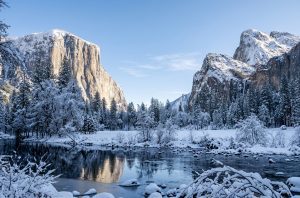
Winter RVing at Yosemite is absolutely possible, but it requires preparation and flexibility. The lower-elevation campgrounds — including Hodgdon Meadow and Wawona — remain open year-round, while Valley campgrounds operate on a more limited schedule. Tioga Road (Highway 120 through the high country) closes seasonally, typically from November through late May or early June depending on snowfall.
California law requires that you carry tire chains or have snow tires on your vehicle when traveling in the Sierra Nevada during winter months, and rangers actively enforce this at chain control checkpoints. RVs are subject to chain requirements as well, so check Caltrans road conditions at quickmap.dot.ca.gov before every drive into or through the park during winter.