
Article-At-A-Glance
- RVshare is a peer-to-peer RV rental marketplace, not a platform designed to sell RVs. It helps RV owners earn income by renting their RVs to travelers.
- Pricing your RV competitively is one of the biggest drivers of how often it gets booked, and you can find a strong starting point by comparing similar rentals in your area.
- A strong rental history—great photos, quick responses, and solid reviews—can increase your booking rate and allow you to charge more over time.
- Prepping your RV before each trip (cleanliness, working systems, clear instructions) improves reviews and protects your asset.
- There’s a practical checklist for running rentals safely (screening, check-in/out, documenting condition, and understanding protection/insurance options).
Rent Out Your RV With RVshare (What It Actually Does and How to Succeed)
Renting your RV can be a great way to offset ownership costs or generate extra income—without giving up the RV lifestyle. RVshare is one of the largest platforms built specifically for that purpose: it connects RV owners with renters looking for everything from a weekend getaway to a multi-week road trip.
This guide walks through how RVshare works for owners and what to focus on to get more bookings, better reviews, and a smoother experience.
What RVshare Is (and Isn’t)
RVshare is for rentals
RVshare is a marketplace where:
- Owners list RVs for rent
- Renters browse, request bookings, and pay through the platform
- Owners approve trips, hand off the RV (or deliver it), and get paid
RVshare is not a consignment or RV sales platform
RVshare generally does not operate like:
- An RV dealership
- A consignment lot (where someone takes possession and sells it for you)
- A dedicated RV-for-sale listing site like RVTrader
If your goal is to sell your RV, you’ll usually use RVezy, RVTrader, a dealer/consignment lot, Facebook Marketplace, Craigslist, or a local dealership.
Why RVshare Can Be a Great Rental Channel
The fastest rental success comes from being visible where renters already shop. RVshare’s audience is largely made up of people actively planning trips and comparing RV types, prices, and features.
What you get on RVshare
Owners typically use RVshare for:
- Listing exposure and search visibility
- Messaging and booking workflow
- Payments through the platform
- Reviews that build trust with future renters
- Optional protection plans/coverage offerings (details and availability vary—always review current terms directly on RVshare)
What Types of RVs Rent Well
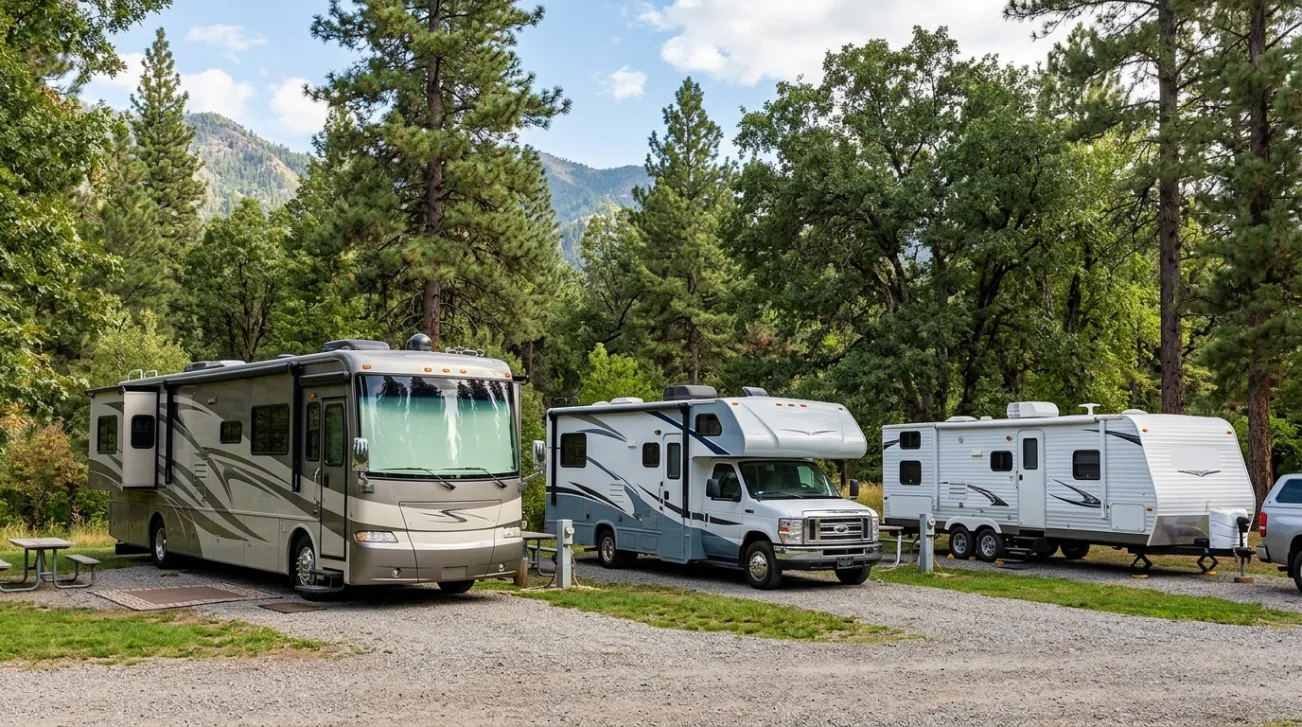
Different markets behave differently, but these categories often perform strongly:
- Travel trailers: popular, flexible, and price-accessible for families
- Class C motorhomes: easy for many renters to drive; strong “family trip” demand
- Class B campervans: high demand in many areas; often command premium nightly rates
- Fifth wheels: can do well, especially with delivery-to-campground offers (since many renters don’t have a compatible tow vehicle)
A big lever for towables is offering delivery and setup, which expands your renter pool dramatically.
Set the Right Nightly Price (and Get More Bookings)
Price affects both:
- how often you get booked, and
- what quality of renter inquiries you receive.
How to research rental pricing
Use RVshare search to compare:
- Same RV type/class
- Similar year/condition
- Similar sleeping capacity
- Similar amenities (generator, solar, pet-friendly, delivery, etc.)
- Your seasonality (summer/holidays vs shoulder season)
Start near the market average, then adjust based on demand and your calendar.
Factors that impact your rental rate
- Location (near national parks, beaches, big events)
- Seasonality and weekend/holiday demand
- Age/condition and interior “freshness”
- Add-ons (delivery, linens, kitchen kit, camp chairs)
- Restrictions (pet policy, festival policy, mileage limits for motorhomes)
- Reviews and response speed (high-trust listings can often charge more)
How Rental History Helps (Accurately Framed)
A strong RVshare rental track record can improve your rental performance by:
- Increasing trust via verified reviews
- Allowing you to raise rates over time
- Reducing friction for new renters who want proof the RV is as advertised
If you later decide to sell your RV, rental history is not automatically a value booster. Some buyers like documented maintenance and careful operations; others worry about wear. If you plan to sell eventually, keep excellent maintenance records and be transparent.
Create a Rental Listing That Gets Booked
Your listing is your storefront. Renters often decide quickly based on photos, clarity, and confidence.
Photos that drive bookings
Include bright, wide photos of:
- Exterior (all angles), awning deployed if possible
- Living area, kitchen, beds, bathroom/shower
- Storage areas and key features (solar, generator, hitch setup, leveling, etc.)
- Any flaws you want to disclose to avoid disputes later
More photos usually helps, as long as they’re clear and current.
What to include in your description
Renters care about:
- Sleeping arrangements (realistic and specific)
- What’s included (linens? cookware? chairs? hitch equipment?)
- Generator rules and hours (if applicable)
- Delivery availability and fees
- Pet policy, festival policy, smoking policy
- Pickup/drop-off expectations and tutorial you’ll provide
- Any quirks (e.g., “must be plugged in to run A/C,” “low clearance,” etc.)
Clear rules reduce misunderstandings and bad reviews.
“Consignment”-Style Help: How Hands-Off Renting Can Work
RVshare itself isn’t a consignment company, but you can still make renting more hands-off by using:
1) A co-host or rental manager (third-party)
Some owners hire a local person/company to handle:
- Guest messaging and scheduling
- Cleaning and turnover
- Check-in/check-out
- Delivery and setup
- Restocking supplies
You still own the RV and control the business, but you outsource day-to-day operations for a fee or revenue share.
2) Delivery-only model
If you don’t want renters driving your RV, you can focus on:
- Delivering to local campgrounds
- Setting up and breaking down
- Keeping the RV close to home for easier maintenance
This can reduce wear and reduce your risk, depending on your operation.
Prep and Protect Your RV Before Each Trip
Renting is repeatable income only if you protect your asset.
High-impact prep
- Deep clean, deodorize, and restock essentials
- Test: A/C, heat, fridge, water heater, outlets, slide-outs
- Inspect tires, lights, hitch components, and safety gear
- Provide a simple “how-to” guide (printed binder + quick walkthrough)
Document condition every time
Before and after each trip:
- Take timestamped photos/video of interior/exterior
- Photograph any existing damage
- Confirm fuel/propane levels (if relevant)
- Track mileage and generator hours for motorhomes
This helps resolve disputes and supports any claims process if needed.
Screen Renters and Set Clear Check-In/Out
You can reduce issues by building a consistent process:
- Confirm trip purpose and destination
- Confirm towing capability (for towables) or driver comfort (for motorhomes)
- Review rules before approving
- Do a walkthrough at pickup and return
- Use a checklist: dumping, cleaning expectations, tanks, propane, mileage, etc.
Get Paid and Understand Platform Protections
RVshare handles payment processing through the platform. Protection plans/coverage options and requirements can vary, so it’s important to:
- Read the current RVshare owner terms
- Understand what is and isn’t covered
- Know your responsibilities (maintenance, documentation, reporting timelines)
(If you want, tell me your RV type/year and your state, and I can help you generate a practical “owner checklist” tailored to your situation.)
Summary: Use RVshare for Rentals
- RVshare is best used to rent out your RV and build income and reviews.
- Success comes from competitive pricing, excellent photos, clear rules, and consistent turnover processes.
- If you want a hands-off approach, consider a third-party manager/co-host or a delivery-only rental model.
Frequently Asked Questions (FAQ) for RV Owners Listing on RVshare
1) How do I list my RV on RVshare and start getting rental bookings?
To list your RV on RVshare, you create an owner account, build a rental listing with photos and details (RV type, sleeping capacity, features, rules), set your availability calendar, and choose pricing (nightly rate, fees, add-ons like delivery). Once published, renters can send booking requests and you can approve trips that fit your rules.
2) How much can I make renting out my RV on RVshare?
How much you can make renting your RV on RVshare depends on your RV type (travel trailer, Class C, Class B, etc.), location, season, and how many nights you make it available. Owners often increase earnings by offering delivery/setup, keeping the RV “trip-ready,” and building strong reviews so they can raise nightly rates over time.
3) What protection or insurance does RVshare offer RV owners who rent out their RV?
RVshare typically offers protection plan options for trips booked through the platform, which may include liability coverage and physical damage coverage depending on the plan and eligibility. Coverage details, deductibles, and exclusions can vary, so owners should review RVshare’s current protection plan documentation and terms before accepting bookings.
4) Should I offer delivery and setup to renters on RVshare (and is it worth it)?
Yes—offering RV delivery and setup on RVshare is often one of the best ways to get more bookings, especially for travel trailers and fifth wheels. Delivery-only rentals attract renters who don’t have a tow vehicle or don’t want to tow, and it lets you control how the RV is transported and set up, which can reduce wear and misunderstandings.
5) What are the best tips to get more bookings for my RV rental listing on RVshare?
To get more bookings on RVshare, focus on: (1) high-quality photos in bright natural light, (2) a clear, skimmable description that explains what’s included and your rules, (3) competitive pricing based on similar RV rentals in your area, (4) fast response times, and (5) a smooth pickup/delivery process with a checklist and walkthrough. Strong reviews and a consistent turnover routine are often what separates top-earning listings from the rest.