
Key Takeaways
- RV-specific GPS systems and navigation apps are essential for avoiding low clearance areas and weight-restricted roads that standard GPS won’t warn about
- A comprehensive tire pressure monitoring system can prevent 90% of tire-related incidents, which are the most common cause of RV breakdowns
- Digital planning tools like RV Trip Wizard allow you to calculate fuel costs, plan safe routes, and locate campgrounds specifically designed for your RV’s dimensions
- Investing in proper emergency equipment including backup power solutions and communication tools can be lifesaving when boondocking in remote areas
- Roadside Assistance from Good Sam provides peace of mind with specialized RV service that regular auto clubs often can’t match
Planning an RV trip is exciting, but without proper preparation, your dream vacation can quickly turn into a roadside nightmare. Unlike traditional road trips, RVing requires specialized knowledge and tools to ensure both safety and comfort. With the right planning resources at your fingertips, you can prevent common mishaps and focus on creating memories instead of managing emergencies. Good Sam Roadside Assistance specialists understand the unique challenges RVers face and recommend having a comprehensive planning strategy before hitting the road.
The difference between a stressful RV journey and a smooth adventure often comes down to preparation. Modern technology offers numerous tools specifically designed for RV travel that weren’t available even a decade ago. These digital assistants can help you navigate with confidence, find suitable camping locations, and avoid hazardous situations unique to larger vehicles.
RV Trip Safety Essentials That Can Save Your Journey
Safety should always be your primary concern when planning any RV adventure. A well-equipped RV isn’t just about comfort amenities—it’s about having the right tools to handle unexpected situations. From navigation aids to emergency equipment, these essentials form the backbone of responsible RV ownership.
Every RV trip requires three layers of planning: route safety, vehicle preparedness, and emergency readiness. Neglecting any of these areas significantly increases your risk of experiencing problems on the road. Experienced RVers know that investing in quality tools upfront, such as RV dash cams, prevents costly repairs and dangerous situations later.
- Navigation tools with RV-specific route information
- Vehicle maintenance equipment for roadside repairs
- Emergency communication devices for remote locations
- Weather monitoring applications
- Comprehensive first aid supplies
- Security systems for campground safety
The most successful RV trips balance spontaneity with thorough preparation. While the freedom of the open road calls for flexibility, having reliable safety tools provides the confidence to explore without unnecessary worry. Smart RVers use technology to enhance their travel experience without becoming slaves to rigid itineraries.
6 Must-Have Navigation Tools for Safe RV Travel
Navigation mistakes in an RV can be far more serious than in a passenger car. Low bridges, narrow roads, and weight restrictions can lead to dangerous situations or expensive damage. Equipping yourself with RV-specific navigation tools is essential for avoiding these common hazards.
RV-Specific GPS Systems
Standard GPS units and smartphone navigation apps aren’t programmed to account for your RV’s height, weight, and length. An RV-specific GPS system contains specialized mapping data that includes bridge heights, propane restrictions, and roads unsuitable for larger vehicles. These systems allow you to input your exact RV specifications and will route you accordingly, preventing potentially catastrophic encounters with low overpasses or narrow mountain roads.
Top systems like the Garmin RV 890 and the Rand McNally OverDryve provide real-time updates about road conditions and restrictions. The investment in a quality RV GPS typically pays for itself the first time it prevents you from taking a restricted route or encountering a low clearance area.
Road Trip Planning Apps
Comprehensive planning applications like RV Trip Wizard integrate with campground databases, points of interest, and fuel stations to create customized routes for your specific RV. These tools allow you to calculate fuel costs, plan driving distances that match your comfort level, and locate service stations that can accommodate larger vehicles. The ability to save and share trips makes coordinating with travel companions effortless.
Many apps provide elevation profiles of your route, helping you prepare for challenging mountain driving or fuel-consuming inclines. Some even calculate the optimal driving days based on your preferences for distance and driving time, preventing driver fatigue which is a leading cause of RV accidents. For additional safety measures, consider using an RV dash cam to capture your journey and ensure peace of mind.
Campground Finder Tools
Finding suitable overnight accommodations for your RV requires more than just locating a campground—you need to ensure it can physically accommodate your rig. Applications like Campendium, AllStays, and The Dyrt provide detailed information about site lengths, hookup availability, and accessibility for larger vehicles. User reviews often contain invaluable information about entrance clearances and maneuvering challenges that official descriptions might omit.
These tools also help identify boondocking locations and overnight parking options when traditional campgrounds aren’t available. Many now include filters for cell signal strength—critical information for remote workers or those wanting to stay connected while traveling. For more tips on enhancing your RV experience, check out our ultimate guide to full-time RV living.
Weather Alert Applications
Weather conditions affect RV travel more significantly than regular road trips. High winds can make driving dangerous, while severe storms might require you to change routes or seek shelter. Applications like Weather Underground, NOAA Weather Radar, and Storm Shield provide customizable alerts for your location and route, giving you crucial advance warning of hazardous conditions. For more comprehensive preparation, consider following this essential RV maintenance checklist to ensure your vehicle is ready for any weather.
Set up alerts for specific thresholds that might impact your RV, such as wind speeds above 30 mph or severe thunderstorm warnings. Many weather apps now include lightning detection features that can be lifesaving when camping in open areas. The ability to view hour-by-hour forecasts helps with planning daily activities and knowing when to batten down the hatches.
Offline Maps
Cell coverage can be spotty in many popular camping destinations. Offline mapping applications like Maps.me, Google Maps (offline mode), and Gaia GPS allow you to download detailed maps before venturing into areas with poor connectivity. These tools can provide navigation guidance even when completely off the grid, potentially saving you from dangerous wrong turns on remote roads.
The best offline maps include points of interest such as gas stations, rest areas, and emergency services. Some also feature topographical information, which is invaluable when navigating mountainous terrain or understanding the landscape around your campsite. Make downloading fresh maps part of your pre-trip ritual, as road conditions and available services change regularly.
Highway Assistance Locators
When mechanical issues arise, finding RV-friendly service can be challenging. Applications like Good Sam Roadside Assistance, Coach-Net, and Allstays Truck and Travel help locate service centers capable of handling larger vehicles. These tools provide information about towing services with equipment rated for RV weights and dimensions, potentially saving hours of frustration during a breakdown.
Keep a directory of RV-specific repair facilities along your route, not just general automotive shops. Many of these specialized centers require appointments, so having their contact information readily available can expedite repairs. Remember that cell service may be unavailable precisely when you need assistance most, so maintain a printed list of emergency contacts as backup. For more tips on maintaining your RV, check out The Essential RV Maintenance Checklist by Season.
Critical Maintenance Tools to Prevent Breakdowns
Prevention is always better than cure, especially when you’re miles from the nearest service center. Equipping your RV with diagnostic and maintenance tools allows you to identify potential issues before they become roadside emergencies. Regular monitoring of critical systems dramatically reduces the likelihood of trip-disrupting mechanical failures.
Tire Pressure Monitoring Systems
Tire failures are among the most common and dangerous RV emergencies. A quality Tire Pressure Monitoring System (TPMS) continuously monitors air pressure and temperature in all tires, alerting you to potential problems before a catastrophic blowout occurs. These systems typically include sensors that attach to each tire’s valve stem and a display unit for the driver’s console. For a comprehensive list of essential tools, check out this RV must-have tools guide.
Look for systems that monitor temperature as well as pressure, as overheating often precedes tire failure. Many modern TPMS options connect to smartphones, allowing you to track historical data and identify slow leaks or recurring issues. For larger RVs with dual wheels, ensure your system can monitor the inside duals, which are often neglected during visual inspections.
Basic Toolkit Requirements
Every RV should carry a comprehensive toolkit tailored to its specific systems. Beyond standard wrenches, screwdrivers, and pliers, include RV-specific items like sewer hose repair kits, water pressure regulators, and electrical adapters for various campground power configurations. Organize tools in clearly labeled containers so they can be quickly located during stressful situations.
RV Essential Toolkit Checklist
• Multi-bit screwdriver set with insulated handles
• Adjustable wrench and socket set (both SAE and metric)
• Wire cutters and electrical tape
• Multimeter for electrical troubleshooting
• Tire pressure gauge (backup to TPMS)
• Leveling blocks and wheel chocks
• Sewer hose accessories and repair kit
• Water system tools (pressure regulator, filter wrench)
• Silicone tape for emergency hose repairs
Supplement your toolkit with RV-specific repair manuals and maintenance guides. Many manufacturers provide digital resources accessible through their websites or mobile apps. Having immediate access to specifications and procedures can mean the difference between a quick fix and an expensive service call. For seasonal upkeep, consider following the essential RV maintenance checklist to ensure your RV is always in top condition.
Electrical Testing Equipment
Electrical issues are common in RVs due to the complex interplay between shore power, generators, batteries, and inverters. A quality digital multimeter allows you to diagnose voltage problems, check for proper grounding, and test continuity in suspect wiring. Specialized tools like polarity testers for campground power pedestals can prevent damage to your RV’s electrical system before you connect.
Consider investing in a non-contact voltage tester for safely checking whether circuits are energized. Battery hydrometers for checking battery cell condition and surge protectors that safeguard against campground power fluctuations are also valuable additions to your electrical toolkit. When troubleshooting electrical problems, always prioritize safety by disconnecting from shore power and turning off your generator before working on any circuits.
Water System Testing Tools
Clean, properly functioning water systems are essential for comfortable RV travel. Carry water quality test strips to verify the safety of unfamiliar water sources and a pressure gauge to monitor incoming water pressure at campgrounds. A basic water hardness test kit can help determine when to use water softeners to protect your plumbing and appliances.
Include pipe wrenches, Teflon tape, and spare fittings for emergency plumbing repairs. Winterizing tools like antifreeze pumps and blowout plugs are seasonal necessities for those traveling in colder climates. Even in warmer regions, knowing how to properly sanitize your fresh water system will prevent health issues and unpleasant odors. For a comprehensive list of essentials, check out this RV camping checklist.
Emergency Preparedness Gear No RV Should Leave Without
Even with careful planning and preventive maintenance, emergencies can still occur. Equipping your RV with comprehensive emergency gear ensures you can handle unexpected situations safely while waiting for professional assistance. The remote locations favored by many RVers make self-sufficiency particularly important during the critical first hours of an emergency.
First Aid Kit Components
An RV-appropriate first aid kit should go beyond basic bandages and antiseptics. Include medications for common travel ailments, emergency dental repair supplies, and treatments for outdoor hazards like insect stings and poison ivy. Customize your kit based on your typical destinations and any medical conditions affecting travelers in your group. For more comprehensive preparation, consider checking out the essential RV maintenance checklist to ensure your vehicle is ready for any adventure.
Roadside Emergency Equipment
Visibility and safety during roadside emergencies requires specialized equipment for larger vehicles. Reflective triangles should be placed farther away from your RV than you would with a car, as approaching vehicles need more distance to react to a large stopped vehicle. Heavy-duty tire changing equipment suitable for your RV’s weight and high-visibility safety vests for everyone in your party are non-negotiable safety items.
Communication Tools When Cell Service Fails
Cell coverage is unreliable in many popular RV destinations. A weather radio with NOAA alerts provides critical emergency information even without cellular service. For those who frequently venture into truly remote areas, satellite communicators like the Garmin inReach or SPOT devices offer emergency notification capabilities virtually anywhere. Some modern satellite messengers even allow two-way text communication and location sharing with family members tracking your journey.
Fire Safety Devices
RV fires can escalate quickly due to confined spaces and flammable materials. Mount multiple fire extinguishers throughout your RV, including near exits, the kitchen, and sleeping areas. Choose models rated for multiple fire types (A-B-C rated) and schedule regular inspections to ensure they remain in working condition. Consider adding a fire blanket in the cooking area for quick response to small grease fires before they spread.
Power Backup Solutions
Electrical independence is crucial during emergencies. A reliable portable generator properly sized for your RV’s power needs provides comfort during extended outages. Solar power systems with adequate battery storage offer silent, maintenance-free power for essential systems. Regardless of your primary power backup, keep a supply of fully charged portable power banks for critical electronic devices like phones and medical equipment.
Digital Tools That Make RV Travel Safer
The digital revolution has transformed RV travel safety through specialized applications designed specifically for the unique challenges of recreational vehicles. These tools combine real-time data with customizable settings to create personalized safety nets for every journey. Taking advantage of these resources significantly reduces common risks while enhancing your overall travel experience.
- Route planning applications with RV-specific hazard alerts
- Campground review platforms with safety information
- Fuel price comparison tools for budget management
- Weather prediction services with severe condition warnings
- Road condition reporting networks maintained by fellow travelers
- Emergency service locator applications with 24/7 availability
The most effective safety strategy integrates multiple digital tools into a comprehensive information system tailored to your travel style and risk tolerance. Many experienced RVers maintain digital dashboards combining their most essential applications for one-stop monitoring of all critical safety factors. For more insights, check out this RV dash cam guide to enhance your travel safety.
RV Trip Wizard
RV Trip Wizard stands out as a comprehensive planning tool that integrates multiple safety features into one platform. Beyond standard routing, it calculates fuel costs based on your specific RV’s mileage, plans appropriate driving distances to prevent fatigue, and identifies suitable overnight stops. The system’s integration with campground databases ensures you’ll never arrive at a site that can’t accommodate your specific RV dimensions or weight.
Campendium
Finding safe, reliable camping locations is essential for RV travel peace of mind. Campendium combines professional reviews with user-generated content to provide detailed information about campground security, accessibility, and amenities. The platform’s cell coverage reporting feature is particularly valuable for those who need reliable communication for safety or work purposes. User-submitted photographs help you assess site conditions before arrival, preventing uncomfortable or potentially dangerous situations.
Gas Buddy
Fuel management is both a safety and financial consideration for RV travelers. GasBuddy helps locate fuel stations with prices, amenities, and critically—accessibility for larger vehicles. Running low on fuel in an RV can be more than inconvenient; it can be dangerous if you become stranded in remote or high-traffic areas. The app’s trip cost calculator helps ensure you budget appropriately for fuel expenses, preventing financial emergencies on the road. For more tips on maintaining your RV, check out The Essential RV Maintenance Checklist.
Roadtrippers
While focusing on points of interest, Roadtrippers also incorporates valuable safety features for RV travelers. The platform helps identify scenic routes suitable for larger vehicles, avoiding potentially hazardous alternatives. Its integration with weather forecasting services alerts you to changing conditions along your planned route, allowing proactive adjustments to avoid dangerous driving situations. The ability to share trip details with emergency contacts enhances overall journey safety.
The Pre-Departure Safety Checklist
The moments before departure are critical for RV safety. A systematic pre-trip inspection prevents many common emergencies and ensures all safety systems are functioning properly. Developing and following a comprehensive checklist customized to your specific RV will significantly reduce your risk of mechanical failures, accidents, and other travel disruptions.
Vehicle Systems Inspection
Begin with a thorough check of all mechanical systems, including engine fluids, belts, hoses, and battery connections. Verify that all lights function properly, including brake lights, turn signals, and emergency flashers. Test your RV’s brakes, including the parking brake and any supplemental braking systems. Pay special attention to tires, checking not just pressure but also condition, with particular focus on sidewalls and tread depth, especially on older tires that may show minimal wear but have age-related deterioration.
Driving Safety Preparations
Configure your mirrors for optimal visibility and ensure all blind spot monitoring systems are operational. Secure all loose items inside the RV to prevent dangerous projectiles during sudden stops or accidents. Program your route into your RV-specific GPS system before departure, and position any supplemental navigation devices where they won’t obstruct your view. Verify that your emergency brake controller (if equipped) is properly adjusted and test it during a low-speed trial before hitting the highway.
Campsite Security Planning
Research your planned overnight stops in advance, reading recent reviews for any security concerns. Many campgrounds now offer site-specific photos online, allowing you to identify potential safety issues before arrival. Prepare a “campsite setup” checklist that includes security measures like proper leveling, stabilizer deployment, and exterior lighting configuration. For remote or unfamiliar locations, consider planning to arrive during daylight hours to better assess the environment and set up safely.
Weather Contingency Plans
Check weather forecasts for your entire route and destination, not just your departure point. For each travel day, identify potential severe weather shelter locations along your route in case conditions deteriorate unexpectedly. When winter travel is necessary, verify that you have appropriate emergency supplies including extra blankets, winter clothing, and heat sources that don’t require electricity. Develop and share a communication plan with family members in case you need to change routes or delay travel due to weather conditions.
Tools for Campsite Security and Safety
Your campsite becomes your temporary home, requiring specific safety considerations different from those while driving. Proper setup not only enhances comfort but also prevents accidents and security issues. The right tools make establishing a safe camp environment straightforward and efficient regardless of location or conditions. For more tips on setting up your campsite, check out our RV awning review to find out which one actually lasts.
Proper Leveling Equipment
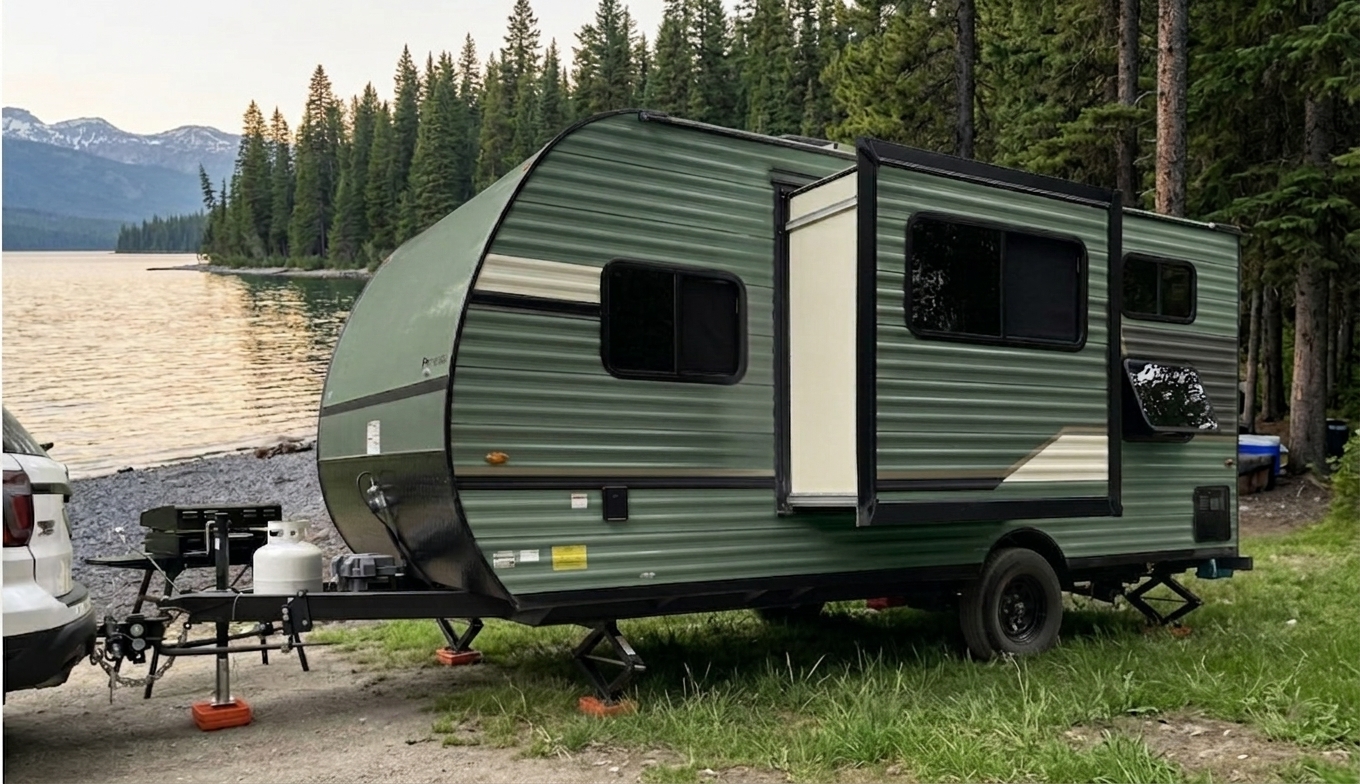
Level parking is critical for RV safety and functionality. Refrigerators may malfunction, doors may swing unexpectedly, and sleeping can become uncomfortable in an unlevel RV. Invest in quality leveling blocks or ramps rated for your RV’s weight, along with a bubble level or electronic leveling system to verify proper positioning. For motorhomes with hydraulic leveling systems, carry emergency manual override tools in case of system failure. Consider X-chocks for travel trailers, which provide additional stability by locking opposing wheels together.
Carbon Monoxide and Propane Detectors
Invisible threats pose serious dangers in the confined space of an RV. Install and regularly test both carbon monoxide and propane leak detectors, replacing batteries according to manufacturer recommendations. Position detectors appropriately—carbon monoxide detectors should be mounted at sleeping level, while propane detectors belong near the floor since propane is heavier than air. Consider models with digital displays that show actual levels, not just alarm conditions, allowing you to detect gradual increases before they reach dangerous thresholds.
Security Devices Worth Investing In
RV security requires specialized solutions beyond standard home protection. Door and window alarms designed specifically for RV use accommodate the unique construction of recreational vehicles. Portable security cameras with motion detection and remote viewing capabilities allow monitoring even while you’re away exploring. For boondocking in isolated areas, consider driveway alarm sensors that alert you when someone approaches your campsite, providing crucial advance warning of potential security concerns.
How to Create Your Custom Safety Tool Kit
No two RV journeys are identical, and your safety needs will vary based on your vehicle, destinations, and travel style. Creating a personalized safety toolkit ensures you’re prepared for your specific circumstances without wasting space on unnecessary items. The most effective approach is building your kit systematically, addressing each safety category with tools appropriate to your particular situation.
- Analyze your most likely emergency scenarios based on travel plans
- Prioritize multi-purpose tools that address multiple safety concerns
- Include season-specific items that rotate based on travel timing
- Consider storage limitations and accessibility requirements
- Establish regular inspection schedules for all safety equipment
- Document your safety resources with photos and inventory lists
Review and update your safety toolkit before each major trip, especially when changing travel regions or seasons. What works for desert camping may be inadequate for mountain adventures, while summer safety concerns differ significantly from winter requirements.
Many experienced RVers maintain a core safety kit that travels on every journey, supplemented by specialized equipment for specific destinations. This modular approach balances comprehensive preparation with practical storage limitations.
Assessment Based on Your RV Type
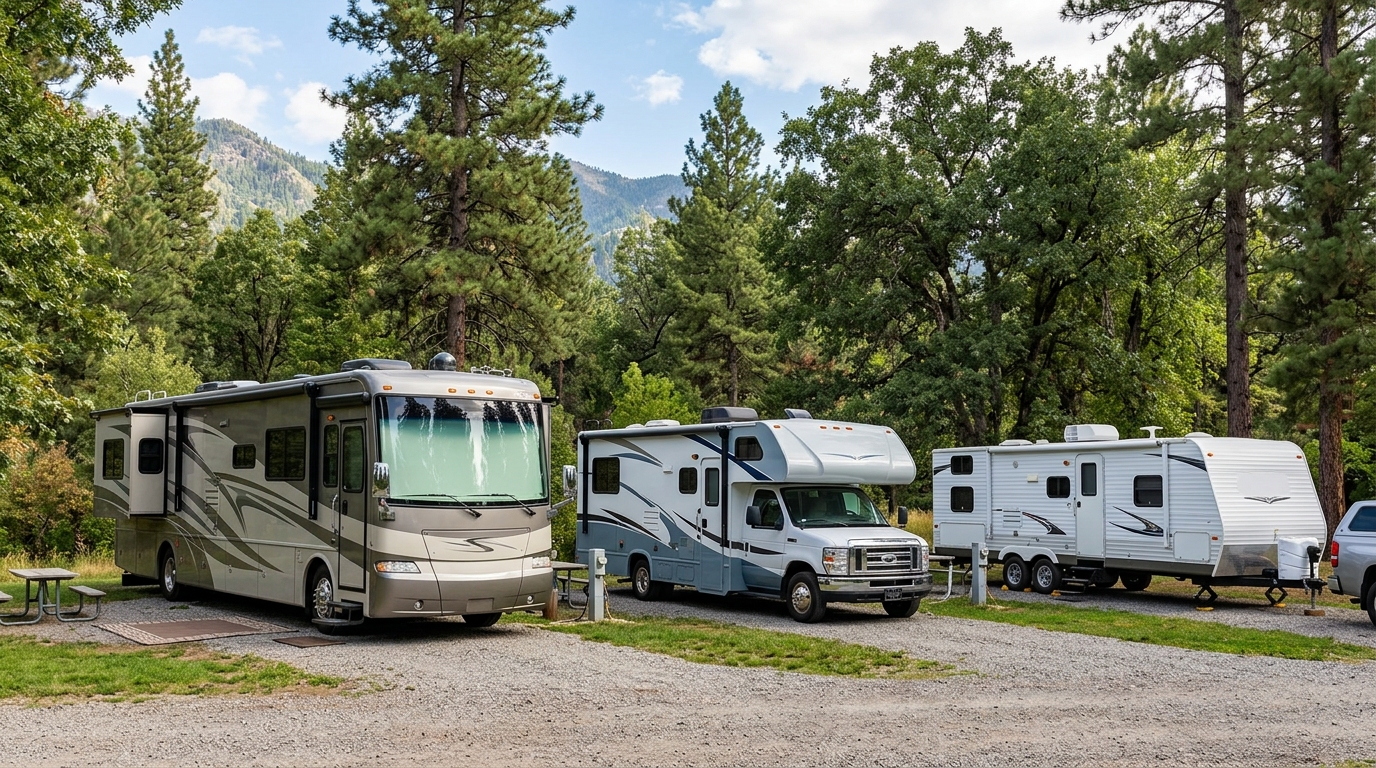
Different RVs present unique safety challenges requiring specialized tools. Motorhomes need engine maintenance equipment while towables require hitch maintenance supplies and breakaway system testers. Fifth wheels benefit from landing gear emergency cranks and pin box inspection tools, while truck campers require tie-down tensioning and inspection equipment. Class B vans often need compact versions of safety equipment due to limited storage, focusing on multi-purpose tools that maximize functionality while minimizing space requirements. For a comprehensive understanding of different RV types, check out this beginner’s guide to RV types.
Priority Tools for Different Travel Styles
Your typical camping style significantly impacts your safety needs. Boondockers should prioritize self-sufficiency tools like solar chargers, water purification systems, and extensive spare parts for remote repairs. Frequent mountain travelers benefit from tire chains, emergency oxygen supplies for altitude sickness, and enhanced braking system maintenance tools.
Those who primarily use full-hookup campgrounds might focus more on electrical safety testing equipment, security systems, and social emergency networks. Winter travelers need specialized winterization tools, backup heating options, and cold-weather survival gear that summer-only travelers can omit from their kits.
Budget-Friendly Safety Essentials
Safety doesn’t always require expensive equipment—strategic purchasing can create a comprehensive safety net even on limited budgets. Start with multi-purpose tools that address several safety needs simultaneously, like combination weather radios with flashlights and charging capabilities. Consider joining RV clubs that include roadside assistance as membership benefits, often costing less than standalone emergency service plans.
Explore factory refurbished options for electronic safety devices, which typically include manufacturer warranties at significantly reduced prices. Build your kit gradually, prioritizing the most critical safety items first and adding others as your budget allows over time. For a comprehensive approach, consider following the essential RV maintenance checklist to ensure all safety aspects are covered.
Look for seasonal clearance sales on emergency equipment, which often occurs as camping seasons end in different regions. Many experienced RVers find quality safety equipment at substantial discounts through this approach.
Budget Safety Kit Starter Guide
• Essential: Tire pressure gauge, basic toolkit, first aid kit
• Priority Additions: Fire extinguisher, carbon monoxide detector, emergency weather radio
• Secondary Additions: RV-specific GPS, backup power solutions, comprehensive roadside kit
• Luxury Safety Items: TPMS system, satellite messenger, cellular signal booster
Storage Solutions for Quick Access
The best safety equipment proves useless if inaccessible during emergencies. Organize your safety toolkit logically, with the most critical emergency items immediately accessible without moving other equipment. Use clear, waterproof containers with visible labels identifying contents, and consider color-coding for different categories of safety equipment. Mount fire extinguishers and emergency tools near potential emergency locations—not buried in distant storage compartments.
Create a safety equipment map for passengers, showing the location of all emergency items. This proves invaluable when someone unfamiliar with your RV needs to quickly locate safety equipment during stressful situations. Review this map with all travelers at the beginning of each journey, ensuring everyone knows where to find critical items when seconds matter.
Your Safety Is Worth Every Precaution
Comprehensive safety planning transforms potential disasters into minor inconveniences. While the array of recommended safety tools might initially seem overwhelming, remember that each item addresses specific risks that could otherwise derail your travels or endanger your well-being. The investment in proper safety equipment yields returns far beyond their monetary value through peace of mind and travel confidence.
The RV lifestyle offers unparalleled freedom to explore at your own pace, connecting with nature and communities across the country. Proper safety preparation ensures this freedom doesn’t come with unnecessary risks. As you build your personalized safety toolkit, you’re not just collecting equipment—you’re creating the foundation for countless worry-free adventures on the open road with Good Sam by your side to help with any emergency needs.
Frequently Asked Questions
Even experienced RVers occasionally have questions about optimizing their safety preparation. These frequently asked questions address common concerns and provide practical guidance for enhancing your RV safety strategy.
What’s the most essential safety tool for first-time RV owners?
For new RVers, a reliable Tire Pressure Monitoring System (TPMS) offers the best safety-to-cost ratio of any single tool. Tire failures cause more RV accidents than any other mechanical issue, and most could be prevented with proper monitoring. A quality TPMS provides constant awareness of tire conditions, alerting you to potentially dangerous situations before they become emergencies. Pair this with Good Sam Roadside Assistance for maximum protection against the most common RV breakdowns.
How often should I check my RV’s tire pressure during a trip?
Even with a TPMS installed, physically inspect your tires at least every morning before departure and after driving in extremely hot conditions. Look for signs of irregular wear, bulges, or objects embedded in the tread that monitoring systems might not detect. Pay particular attention to inside dual tires on larger motorhomes and fifth wheels, which often show problems first due to heat buildup. For more tips on handling your RV, check out our first-time RV driving tips guide.
Remember that tire pressure naturally increases during driving as tires warm up—typically 5-10 PSI above cold inflation pressure. This normal increase shouldn’t be confused with dangerous overinflation. Always adjust tire pressure when tires are cold, ideally after sitting overnight or at least three hours after driving. For more comprehensive guidance, check out our RV maintenance checklist.
Do I need special insurance for RV travel?
Standard auto insurance rarely provides adequate coverage for RVs, particularly regarding personal belongings, specialized components, and RV-specific risks. Dedicated RV insurance offers protection tailored to recreational vehicles, including coverage for living expenses if your RV becomes uninhabitable during repairs. Many policies also include emergency expense coverage for hotels and transportation when breakdowns occur far from home. Consult with an insurance agent familiar with RV-specific policies to ensure appropriate protection for your particular vehicle and travel habits.
What’s the best way to handle severe weather while RVing?
Your response to severe weather should depend on the specific threat and your current location. For thunderstorms and high winds, seek established campgrounds with sheltered sites away from isolated trees, which can become hazards during storms. During tornado warnings, abandon your RV for sturdy buildings—RVs provide virtually no protection against tornadic winds. In flash flood risk areas, prioritize higher elevation campsites and know evacuation routes that don’t cross water passages.
Severe Weather Response Guide
• Thunderstorms: Disconnect shore power, secure loose items, shelter in RV away from windows
• Tornadoes: Abandon RV for permanent structures or designated shelters; if none available, seek low-lying ditches away from vehicles
• Flash Floods: Move immediately to higher ground, never attempt to drive through flowing water
• High Winds: Position RV with smallest profile toward wind direction, retract all slides if possible
• Winter Storms: Conserve propane, maintain minimum heat levels, clear vents regularly to prevent carbon monoxide buildup
Monitor weather forecasts daily during your travels, preferably using multiple sources for verification. Many experienced RVers set weather alerts on their phones for their current location and adjust travel plans proactively when severe weather threatens. Remember that RVs are particularly vulnerable to weather extremes—advance planning is your best protection.
When severe weather is imminent, document your RV’s condition with photos in case you need to file insurance claims later. This practice proves invaluable for establishing pre-storm conditions should damage occur.
Are there any safety tools specifically for boondocking?
Boondocking (camping without hookups in remote locations) requires additional safety considerations beyond standard RV travel. Satellite communication devices become essential when cell service is unavailable for emergency calls. Enhanced security measures like motion-activated exterior lighting, reinforced door locks, and wildlife deterrent systems provide protection in isolated areas. Solar panel systems with adequate battery storage ensure continuous power for safety systems even during extended stays away from shore power.
Water safety tools take on greater importance when boondocking, including multiple filtration methods for sourcing water from natural supplies when necessary. Carry chemical water testing kits to verify the safety of unfamiliar water sources before treatment. Keep an expanded medical kit with prescription backups and wilderness first aid supplies appropriate for the specific environmental hazards of your chosen boondocking locations.
Many experienced boondockers maintain a “location sharing” protocol with trusted contacts, providing regular check-in schedules and detailed location information. This simple practice ensures someone knows where to send help if regular communications suddenly cease. Some use scheduled satellite messenger check-ins that automatically alert emergency contacts if missed, providing an additional safety net in truly remote areas.
Remember that Good Sam Roadside Assistance can reach even remote locations when you need help, making it an essential part of your boondocking safety strategy. Their specialized RV service provides peace of mind that standard auto clubs simply can’t match, especially when you’re far from main roads.