Key Takeaways
- A triple-channel dash cam system provides comprehensive protection for your RV with front, rear, and interior coverage, essential for both safety and insurance purposes.
- Proper installation in your RV requires careful planning for camera placement, wiring routes, and power connections that won’t drain your battery during extended stops.
- Weather resistance and temperature tolerance are critical factors when choosing a dash cam that can withstand the extreme conditions RVs often encounter.
- The BlackVue DR750X‑3CH Plus stands out as an excellent choice for RVers with its complete coverage and cloud connectivity features.
- Parking mode is particularly valuable for RV owners, providing security while your vehicle is stationary at campgrounds or overnight stops.
That sudden swerving car on the highway or the mysterious dent that appeared while you were enjoying a hike could cost you thousands in repairs and insurance headaches. A properly installed dash cam in your RV isn’t just an accessory—it’s essential protection for your home on wheels. With RVs being significantly larger investments than standard vehicles, the stakes are much higher when it comes to accidents, vandalism, or theft.
Why Every RV Owner Needs a Dash Cam Today
RV travel combines the excitement of exploration with the comfort of home, but it also brings unique risks. When you’re piloting a 30-foot vehicle down unfamiliar roads, having video evidence of your journey provides invaluable peace of mind. Beyond just accident documentation, RV dash cams offer security while your vehicle sits at campgrounds, capture breathtaking scenery along your routes, and can even help improve your driving skills by reviewing tricky maneuvers like backing into tight spaces.
Insurance companies increasingly recognize dash cam footage as credible evidence in claims disputes. In fact, some providers now offer premium discounts for RV owners who install these devices. With RVs being substantial investments—often costing upwards of $100,000—protecting yourself with clear video evidence makes financial sense. BlackboxMyCar, a leading provider of vehicle security solutions, highlights that dash cam footage can be the difference between a denied claim and a swift resolution, especially in no-fault situations common on crowded highways.
Beyond protection, dash cams create a digital journal of your travels. That sunset drive along the Pacific Coast Highway or your first glimpse of the Grand Canyon can be preserved in high definition, creating lasting memories of your adventures. Most modern dash cams include GPS tracking, allowing you to revisit your exact route and locations years later, turning your footage into a comprehensive travel log that enhances your RV lifestyle.
Choosing the Right Dash Cam for Your RV
Selecting the perfect dash cam for your recreational vehicle requires considering factors beyond what standard vehicle owners might need. RVs present unique challenges with their larger size, varied power systems, and extended parking periods. Your dash cam needs to withstand extreme temperatures, provide wide-angle coverage of a much larger vehicle, and often operate for days while you’re away from your rig exploring.
Single vs. Multi-Camera Systems
For standard cars, a single forward-facing camera might suffice, but RVs demand more comprehensive coverage. Single-camera systems offer simplicity and affordability but leave your sides and rear vulnerable. With an RV’s significant blind spots and larger turning radius, multi-camera systems provide crucial visibility where you need it most. For those new to RVs, you might find these first-time RV driving tips helpful in understanding the unique challenges of driving such large vehicles.
Triple-channel systems like the BlackVue DR750X-3CH Plus represent the gold standard for RV protection, offering front, rear, and interior coverage simultaneously. This comprehensive setup monitors traffic ahead, potential rear-end collisions, and interior security—essential when your vehicle doubles as your home. The wide-angle lenses (typically 140° front and 165° rear/interior) ensure maximum coverage with minimal blind spots, particularly valuable when navigating tight campgrounds or unfamiliar city streets. For those living on the road, consider checking out The Ultimate Guide to Full-Time RV Living for more insights.
Essential Features for RV Dash Cams
Not all dash cam features are created equal when it comes to RV applications. Video quality stands as the foundation of any good system—look for at least 1080p resolution with 30fps recording capabilities. Lower resolution might save on storage space but could miss critical details like license plates or road signs. Advanced driver assistance systems (ADAS) offer particular value for RV drivers, providing lane departure warnings and forward collision alerts that compensate for the challenges of maneuvering larger vehicles.
Parking mode functionality becomes especially important for RVers who often leave their vehicles unattended for extended periods. This feature uses motion detection and impact sensors to begin recording even when the engine is off, capturing potential break-ins or parking lot fender benders. Most quality systems offer time-lapse recording options to extend battery life while still maintaining surveillance. G-sensors that automatically protect footage during sudden movements ensure that important events aren’t accidentally overwritten during loop recording.
- GPS tracking for documenting your exact travel routes
- Wi-Fi connectivity for easy footage transfer to smartphones
- Voice control for hands-free operation while driving
- Cloud connectivity for remote viewing and footage backup
- Super night vision for clear recording in low-light campgrounds
Weather Resistance and Durability Ratings
RVs frequently travel through extreme environments, from scorching desert heat to freezing mountain passes. Your dash cam must withstand these conditions reliably. Look for operating temperature ranges between -10°F to 140°F (-23°C to 60°C) at minimum. Premium models often feature capacitors instead of batteries, providing better performance in extreme temperatures and longer overall lifespan—critical for the harsh conditions RVs often encounter.
Storage and Memory Capabilities
RV trips often span weeks or even months, making storage capacity a critical consideration for your dash cam. Most systems use microSD cards, with 128GB to 256GB offering a good balance between capacity and cost. High-endurance cards specifically designed for continuous recording are worth the extra investment, as they withstand the constant write cycles better than standard cards. A 256GB card typically stores about 24-40 hours of HD footage before overwriting begins—enough for most daily driving needs.
Modern dash cams employ loop recording, automatically overwriting the oldest footage when storage is full. Look for systems that allow you to customize file length (typically 1, 3, or 5 minutes per clip), making footage management more efficient. Some premium models like the BlackVue DR750X-3CH Plus feature cloud connectivity, enabling automatic backup of important clips to online storage—particularly valuable during extended trips where you might not have access to a computer for manual backup. For those interested in learning more about RV technology, full-time RV living offers insights into optimizing your vehicle for long journeys.
Power Options for Extended Use
Power management poses unique challenges for RV dash cams, especially when you’re parked for days at campgrounds. Standard dash cams typically connect to your vehicle’s 12V system or fuse box, which works fine for daily driving but can drain your house batteries during extended parking. For true peace of mind, consider a dedicated power solution that protects your RV’s starting battery while still maintaining surveillance.
Battery packs specifically designed for dash cams, like the Blackvue Power Magic Ultra Battery or Cellink Neo, provide 24+ hours of parking mode recording without touching your RV’s battery. For boondockers, combining a dash cam with solar charging capabilities offers the ultimate solution for extended off-grid surveillance. The investment in proper power management pays dividends the first time your system captures overnight vandalism or a hit-and-run in a remote camping location.
Top 5 RV Dash Cams Worth Your Money
After testing dozens of dash cams specifically in RV environments, these five models stand out for their reliability, feature sets, and value. Each excels in different areas, allowing you to choose based on your specific needs and budget constraints. Remember that investing in quality upfront typically saves money in the long run through better reliability and potential insurance benefits.
BlackVue DR750X‑3CH Plus: A Top‑Tier Multi‑Camera Dash Cam System
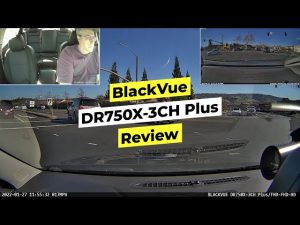
This comprehensive system represents the gold standard for RV protection, offering full coverage with front, interior, and rear cameras operating simultaneously. With 140° front and 165° interior/rear viewing angles, it eliminates virtually all blind spots around your RV. The system’s cloud connectivity allows remote viewing via smartphone—perfect for checking on your RV while exploring hiking trails or attending events. Its built-in GPS, parking mode with impact and motion detection, and excellent night vision make it the most complete package for serious RV owners.
The DR750X-3CH Plus offers Full HD recording at 30fps across all three channels and performs exceptionally well in extreme temperatures thanks to its capacitor-based design. While premium-priced at around $500, its comprehensive protection and advanced features justify the investment for valuable RVs. The BlackVue Cloud service allows for push notifications when events are detected, providing real-time alerts even when you’re miles from your campsite.
Garmin Dash Cam Tandem: Best for Day and Night Recording
Garmin’s dual-lens approach provides exceptional versatility for RVers who frequently drive at night. The forward-facing 180° lens captures crisp 1440p footage of the road ahead, while the interior-facing lens uses Garmin’s NightGlo technology for superior low-light performance inside your RV. This dual-lens design in a single compact unit simplifies installation while still providing comprehensive coverage.
The Tandem’s voice control features allow hands-free operation—particularly valuable when navigating challenging roads. Its built-in GPS automatically embeds location and speed data into footage, creating a complete record that insurance companies appreciate. At around $300, it offers excellent value for RVers who prioritize simplicity and night driving performance but don’t need a separate rear camera.
REDTIGER F7N: Best Budget-Friendly Option
For cost-conscious RVers, the REDTIGER F7N delivers surprising performance at roughly half the price of premium systems. This dual-camera setup provides 4K front recording and 1080p rear coverage, with respectable 170° and 140° viewing angles respectively. It includes essential features like loop recording, G-sensor protection, and basic parking monitoring, all for under $200.
While lacking some advanced features of premium models (like cloud connectivity or capacitor power), the F7N offers excellent day recording quality and reliable basic protection. Its touchscreen interface simplifies setup and review without requiring a smartphone connection. For weekend warriors and occasional RV users, this system strikes an excellent balance between affordability and functionality without compromising on core performance.
Rove R2-4K: Best for Video Quality
The Rove R2-4K stands out with its exceptional 4K Ultra HD resolution that captures the finest details—particularly valuable for documenting scenic routes in breathtaking clarity. Its super-wide 150° viewing angle requires just a single front camera to cover most of what happens ahead of your RV. With built-in WiFi, GPS, and a mobile app that creates travel logs of your journeys, it’s perfect for RVers who want to document their adventures in cinema-quality detail. For those new to RVing, these first-time RV driving tips can be incredibly helpful.
The R2-4K excels in challenging lighting conditions thanks to advanced WDR (Wide Dynamic Range) technology that balances bright skies and shadowy roads. Priced around $120 for the single-camera setup, it offers the highest resolution-to-price ratio on the market. For RVers who prioritize visual quality and travel documentation over multi-camera coverage, the Rove represents an excellent value.
Vantrue N4: Best for Full Coverage
The Vantrue N4 provides a three-channel system at a mid-range price point, offering front, interior, and rear coverage in a single integrated package. Its standout feature is the exceptional 160° front viewing angle combined with 140° interior and rear angles for nearly complete coverage. The front camera records in crisp 1440p, while the interior and rear cameras capture 1080p footage—more than adequate for identifying vehicles and faces in most conditions.
Vantrue N4 Performance Highlights
Front Camera: 1440p at 30fps with 160° view angle
Interior Camera: 1080p at 30fps with 140° view angle and infrared night vision
Rear Camera: 1080p at 30fps with 140° view angle
Operating Temperature: -4°F to 158°F (-20°C to 70°C)
Storage: Supports up to 256GB microSD (not included)
Perfect Installation Spots in Your RV
The unique dimensions and layouts of recreational vehicles require thoughtful camera placement for optimal coverage and discreet appearance. Unlike passenger cars, RVs present challenges like longer vehicle length, multiple entry points, and larger blind spots that influence ideal mounting locations. Strategic placement not only improves the footage quality but also minimizes distractions while driving.
Weather and Road Condition Documentation
Your dash cam isn’t just for accident protection—it’s also an invaluable tool for documenting challenging road conditions you encounter during your travels. That “Bridge May Be Icy” sign becomes much more meaningful when you have footage of exactly how your RV handled the crossing during a winter storm. This documentation creates a valuable reference for future trips and can help you plan seasonal routes based on historical footage of road conditions.
Weather-related insurance claims often become contentious when there’s disagreement about the severity of conditions. Your dash cam provides objective evidence of visibility, precipitation intensity, and road surface conditions that can substantiate your account of events. For RVers who frequently travel through mountain passes, desert heat, or coastal fog, this documentation provides an extra layer of protection against denied claims.
Weather Documentation Benefits
• Provides evidence for insurance claims during adverse conditions
• Creates a reference library of seasonal road challenges
• Helps plan future route modifications based on historical footage
• Documents extreme conditions that might affect your RV’s systems
• Serves as a teaching tool for less experienced drivers in your family
Consider creating a simple cataloging system for weather-related footage, perhaps organizing clips by season, region, or severity. This library becomes increasingly valuable over time, especially if you frequently revisit the same destinations during different seasons. Many experienced RVers report that their weather footage has helped fellow travelers make informed decisions about route planning during challenging conditions.
Common Installation Mistakes to Avoid
Even the most sophisticated dash cam system can fail to protect you if installed incorrectly. After helping hundreds of RV owners with their setups, I’ve identified several recurring mistakes that compromise performance and reliability. Avoiding these pitfalls ensures your system works flawlessly when you need it most—whether that’s during an accident or while your RV sits unattended at a campground.
Poor Camera Angle Placement
The most common error is positioning cameras at angles that miss critical areas around your RV. Front cameras mounted too low might capture too much dashboard and not enough of the road ahead. Rear cameras often end up angled slightly upward, recording beautiful skies but missing vehicles directly behind you. Always verify your coverage area after initial mounting by reviewing test footage before finalizing installation.
For motorhomes, position your front camera high and centered on the windshield, ideally behind the rearview mirror to minimize distraction. This height provides the best perspective of traffic patterns ahead while capturing license plates of vehicles in front of you. Rear cameras should be mounted to include your bumper in the bottom portion of the frame—this provides a valuable reference point for distance judgment while still capturing approaching vehicles. If you’re new to motorhomes, you might find it helpful to explore a beginner’s guide to RV types to ensure you’re well-prepared for your journey.
Fifth-wheel and travel trailer owners face unique challenges with camera placement. If possible, install the rear camera on a solid portion of the trailer rather than on movable components that shift during travel. The connection point between tow vehicle and trailer represents a vulnerability in coverage—consider adding a dedicated camera that monitors this crucial area, especially for longer fifth-wheels where articulation can be significant on winding roads. For those new to RV driving, these first-time RV driving tips can provide valuable insights.
Ignoring Heat Exposure Issues
RV windshields create greenhouse effects that can push interior temperatures well beyond the operating limits of electronic devices. Dash cams mounted in direct sunlight can experience premature failure, corrupted memory cards, and distorted video quality. Always check the manufacturer’s temperature rating and take extra precautions in extreme climates.
Consider using a GPS-enabled dash cam that can automatically power down when temperatures exceed safe operating ranges. Some RVers install simple windshield reflectors when parked for extended periods, protecting not just the dash cam but also their RV’s interior from UV damage. Premium models with capacitor power systems rather than lithium batteries typically withstand heat better, making them worth the additional investment for desert travelers.
Inadequate Cable Management
Nothing diminishes the enjoyment of your RV’s interior like exposed wires dangling across your dashboard or windshield. Beyond the aesthetic concerns, poor cable management creates safety hazards and can lead to damaged connections when wires get snagged during normal activities. Take time to properly route cables behind trim pieces, under headliners, and through appropriate channels. For more tips on maintaining your RV, check out the essential RV maintenance checklist.
RVs offer unique cable routing opportunities through overhead cabinets, behind entertainment centers, and along existing wiring bundles. Use wire clips with adhesive backing that won’t damage your RV’s interior surfaces. For connections between tow vehicles and trailers, invest in proper quick-disconnect plugs that withstand road vibration while allowing easy separation when unhitching. This attention to detail not only improves appearance but significantly extends the lifespan of your system.
Obstructing Driver’s View
The large windshields in Class A motorhomes provide spectacular views but also tempt owners to install oversized dash cams in prominent positions. Remember that many states have specific laws about windshield obstructions—your dash cam could make you liable for tickets even if it’s providing valuable protection. Always position cameras where they won’t block crucial sightlines, particularly to mirrors and traffic signals.
| Vehicle Type | Recommended Camera Position | Areas to Avoid |
|---|---|---|
| Class A Motorhome | Upper center behind mirror | Lower third of windshield |
| Class C Motorhome | Upper right corner | Center of driver’s view |
| Travel Trailer Tow Vehicle | Behind rearview mirror | Areas blocking mirror views |
| Fifth Wheel Tow Vehicle | Upper center | Areas blocking hitching view |
Remember that the ultimate goal is protection without distraction. A perfectly positioned dash cam should virtually disappear from your awareness while driving, only becoming relevant when you need to review footage. This balance of visibility and discretion represents the mark of a professionally installed system that enhances rather than detracts from your RV experience.
If you’re unsure about optimal placement, many RV service centers now offer professional dash cam installation services. The modest investment in professional mounting often pays dividends through better footage quality, cleaner aesthetics, and proper integration with your RV’s electrical systems. For complex multi-camera setups, professional installation can actually save money by avoiding damaged components or electrical issues.
Legal Considerations for RV Dash Cams
As you travel across multiple states and potentially international borders, the legal landscape surrounding dash cam use changes significantly. What’s perfectly legal in one jurisdiction might violate privacy laws in another, potentially making your footage inadmissible or even exposing you to liability. Understanding these varying regulations helps you configure your system appropriately and avoid unpleasant legal surprises.
State-by-State Recording Laws
Most states permit windshield-mounted dash cams, but restrictions on placement vary widely. Illinois, for example, prohibits objects that obstruct the driver’s view, limiting placement to a small area behind the rearview mirror. California allows dash cams but restricts them to 5-square-inch areas in the lower corner or 7-square-inch areas in the upper corner of the windshield. As an RVer crossing multiple state lines, configuring your system to comply with the most restrictive states you’ll visit ensures consistent legality.
Audio recording introduces another layer of complexity. “One-party consent” states allow recording conversations as long as one participant (you) knows recording is happening. However, “all-party consent” states—including California, Florida, and Washington—require notifying all passengers that audio recording is active. Many experienced RVers simply disable audio recording entirely or post clear notifications about recording to avoid potential violations as they cross state lines.
Border Crossing Regulations
International RV travel introduces additional considerations. Canada generally permits dash cams but has provincial variations similar to U.S. state differences. Mexican authorities have been known to question dash cam usage, particularly around military checkpoints or official buildings. Always research destination-specific regulations before crossing borders, and consider temporarily removing or disabling your system if entering areas with strict prohibitions.
Privacy laws in European countries are particularly stringent under GDPR regulations. If your RV adventures extend to international shipping and European travel, be aware that dash cam footage capturing identifiable people or license plates may be subject to data protection laws. Some European RVers address this by using models with privacy mode features that automatically blur faces and license plates in recorded footage.
- Always check dash cam laws before entering a new state or country
- Consider disabling audio recording in all-party consent states
- Post visible notices about recording if you have interior cameras
- Be prepared to temporarily remove or disable systems at border crossings
- Configure GPS tracking in compliance with local privacy regulations
The legal status of dash cam footage in insurance claims varies by jurisdiction and provider. While most U.S. insurance companies now accept and even encourage dash cam evidence, always verify your specific provider’s policies. Some companies offer premium discounts for dash cam usage, while others may have specific requirements about system specifications or installation to qualify for these benefits. For more information on what to consider, check out this guide to buying a dash cam for RVs.
When submitting footage for insurance or legal purposes, provide only the relevant segments rather than entire memory cards that might contain unrelated personal information. This selective sharing protects your privacy while still providing the evidence needed to support your case. Many premium dash cams now include incident detection that automatically protects and isolates relevant footage, simplifying this process.
Campground Privacy Policies
Many RV parks and campgrounds have established policies regarding surveillance equipment, including dash cams in parking mode. These rules typically focus on protecting the privacy of other guests, particularly at facilities with swimming pools, playgrounds, or communal shower areas. Always check campground rules upon arrival and adjust your system accordingly—perhaps disabling interior cameras while keeping exterior surveillance active for security purposes.
Your Dash Cam Could Save You Thousands
The cost-benefit analysis of dash cam installation becomes crystal clear when considering potential savings. Beyond the obvious protection in accident disputes, your system can document pre-existing damage on rental RVs, capture evidence of campground utility failures that damage your systems, and even identify responsible parties when shopping cart dings or parking lot mishaps occur. Many RVers report that a single avoided insurance claim more than paid for their entire multi-camera system, not counting the ongoing peace of mind these devices provide during everyday travels.
Frequently Asked Questions
After helping hundreds of RVers select and install dash cam systems, these questions consistently arise during the process. Understanding these common concerns helps you make informed decisions about your specific setup and avoid potential complications down the road.
How much storage do I need for my RV dash cam?
For typical RV usage, a 128GB high-endurance microSD card provides a good balance of capacity and cost. This typically stores 12-20 hours of HD footage before loop recording begins to overwrite older files. If you drive extensively each day or use multiple high-resolution cameras, consider upgrading to 256GB. Always purchase cards specifically rated for dash cam use, as they’re designed to withstand the constant write cycles and temperature fluctuations common in RV environments.
Can I use my dash cam when my RV is parked at a campground?
Yes, parking mode is particularly valuable for RVers. Most premium systems offer motion detection recording that activates only when movement is detected near your vehicle, conserving power during extended stays. For optimal performance, consider a dedicated battery pack that powers your dash cam without draining your RV’s house batteries. If you’re new to RVing, you might want to check out this beginner’s guide to RV types to ensure you’re well-prepared for your journey.
Some campgrounds have restrictions on surveillance equipment, so check local policies upon arrival. Many RVers disable interior cameras while keeping exterior cameras active when parked in public campgrounds to respect the privacy of fellow campers while maintaining security monitoring.
Will a dash cam drain my RV’s battery?
Standard hardwired installations include low-voltage cutoff features that disconnect the dash cam when battery voltage drops to a preset level (typically 11.8-12.0V), protecting your starting battery. For extended parking monitoring, dedicated power banks like the BlackVue Power Magic Ultra Battery or Cellink Neo provide 24-40 hours of continuous recording without touching your RV’s electrical system. Solar charging options are also available for boondockers who need extended surveillance without shore power.
Are wireless dash cams reliable for RVs?
Fully wireless dash cams that operate on battery power alone aren’t recommended for RVs due to limited operating time and reliability concerns in extreme temperatures. However, “wireless” systems that use Wi-Fi for footage transfer while maintaining hardwired power connections work excellently in RV applications. For more tips on maintaining your RV, check out the essential RV maintenance checklist.
The wireless connection between front and rear cameras can be problematic in longer RVs, particularly fifth wheels and travel trailers exceeding 30 feet. For these applications, wired connections between cameras generally provide more reliable performance. If wireless transmission is necessary due to installation challenges, position the receiver unit centrally to minimize distance and potential interference from RV components.
How often should I check and maintain my RV dash cam?
Establish a pre-trip checklist that includes verifying dash cam operation. Check that the memory card is properly seated, confirm that the system powers on correctly, and review a sample of recent footage to verify proper recording angles and quality. This only takes a few minutes but prevents discovering too late that your system wasn’t functioning during a critical incident.
Clean camera lenses monthly or whenever visible smudges appear—RV windshields typically accumulate more debris than passenger vehicles due to their vertical orientation. Check cable connections seasonally, as RV movement and temperature fluctuations can loosen plugs or stress connection points. Update firmware annually or whenever manufacturers release new versions to ensure you benefit from performance improvements and bug fixes.
If your dash cam includes GPS functionality, verify coordinate accuracy periodically, especially after storing your RV for extended periods. Weak or inaccurate GPS signals can indicate antenna issues that might affect location tagging in your footage—a potentially important factor in insurance claims. Your dash cam represents peace of mind on the road, and these simple maintenance steps ensure it performs flawlessly when you need it most.