Article-At-A-Glance
- RVshare connects RV owners with renters through a peer-to-peer platform, offering everything from luxury motorhomes to compact campervans
- Rental costs vary significantly based on RV type, with Class A motorhomes typically ranging from $175-$275 per night and smaller options starting around $75
- First-time renters should book early, thoroughly read reviews, and ensure they understand the RV’s systems before departure
- RVshare offers convenient delivery options to campgrounds and event locations, perfect for travelers who don’t want to drive large vehicles
- The platform provides standard insurance coverage and 24/7 roadside assistance to ensure peace of mind during your adventure
What You Need to Know About RVshare: The Airbnb of RV Rentals
RVshare revolutionized the way we experience road trip adventures. As the first online peer-to-peer RV rental marketplace, this platform connects RV owners with travelers seeking the freedom of the open road without the commitment of ownership. Think of it as the Airbnb of recreational vehicles—a place where you can browse thousands of privately owned RVs available for rent across the country.
The beauty of RVshare lies in its simplicity and variety. Whether you’re planning a weekend getaway to a nearby state park or a cross-country expedition to multiple national parks, there’s an RV that perfectly matches your needs and budget. The platform handles the logistics of booking, payment processing, and even provides insurance coverage to ensure your adventure is as worry-free as possible. With RVshare handling the details, you can focus on mapping your route, planning your stops, and creating memories that will last a lifetime.
Launched in 2013, RVshare has grown into the largest community of RV owners and renters in the country, with vehicles available in every state. This extensive network means you’ll likely find options close to home or at your destination, eliminating the need for long transit times before your vacation even begins. Whether you’re a seasoned RV enthusiast or a curious first-timer, RVshare opens the door to endless possibilities for exploration and adventure.
Types of RVs Available on RVshare
One of RVshare’s greatest strengths is the impressive variety of recreational vehicles available through its platform. From luxurious motorhomes with all the comforts of a high-end apartment to compact campervans perfect for solo travelers, there’s something for every type of adventurer. Understanding the different classes and styles of RVs will help you make an informed decision when selecting your home on wheels.
Class A Motorhomes: Luxury on Wheels
Class A motorhomes represent the pinnacle of RV luxury and comfort. These bus-shaped vehicles typically range from 25 to 45 feet in length and often feature slide-out sections that expand the living space when parked. Inside, you’ll find all the amenities of home, including full kitchens with residential-sized appliances, spacious bathrooms with shower facilities, and comfortable sleeping areas for 6-8 people.
- Typical size: 25-45 feet in length
- Sleeping capacity: 6-8 people comfortably
- Typical amenities: Full kitchen, bathroom with shower, entertainment systems, generator, ample storage
- Ideal for: Larger families or groups seeking maximum comfort for longer trips
- Average rental cost: $175-$275 per night, depending on age, features, and location
While Class A motorhomes offer unparalleled luxury, they also require more driving confidence due to their size. First-time RVers might find these vehicles intimidating to maneuver, especially in tight campgrounds or on narrow roads. Fuel efficiency is also a consideration, as these behemoths typically get 7-10 miles per gallon. However, for those seeking the ultimate in comfort and amenities, nothing beats the spacious luxury of a Class A.
Class B and C Motorhomes: Compact but Comfortable
Class B motorhomes, often called campervans, offer a more nimble experience while still providing essential comforts. Built on a van chassis, these compact units typically measure 17-23 feet in length, making them much easier to drive and park than their larger counterparts. Despite their smaller footprint, modern Class B RVs ingeniously pack in sleeping areas, compact kitchenettes, and sometimes even tiny bathrooms with shower facilities.
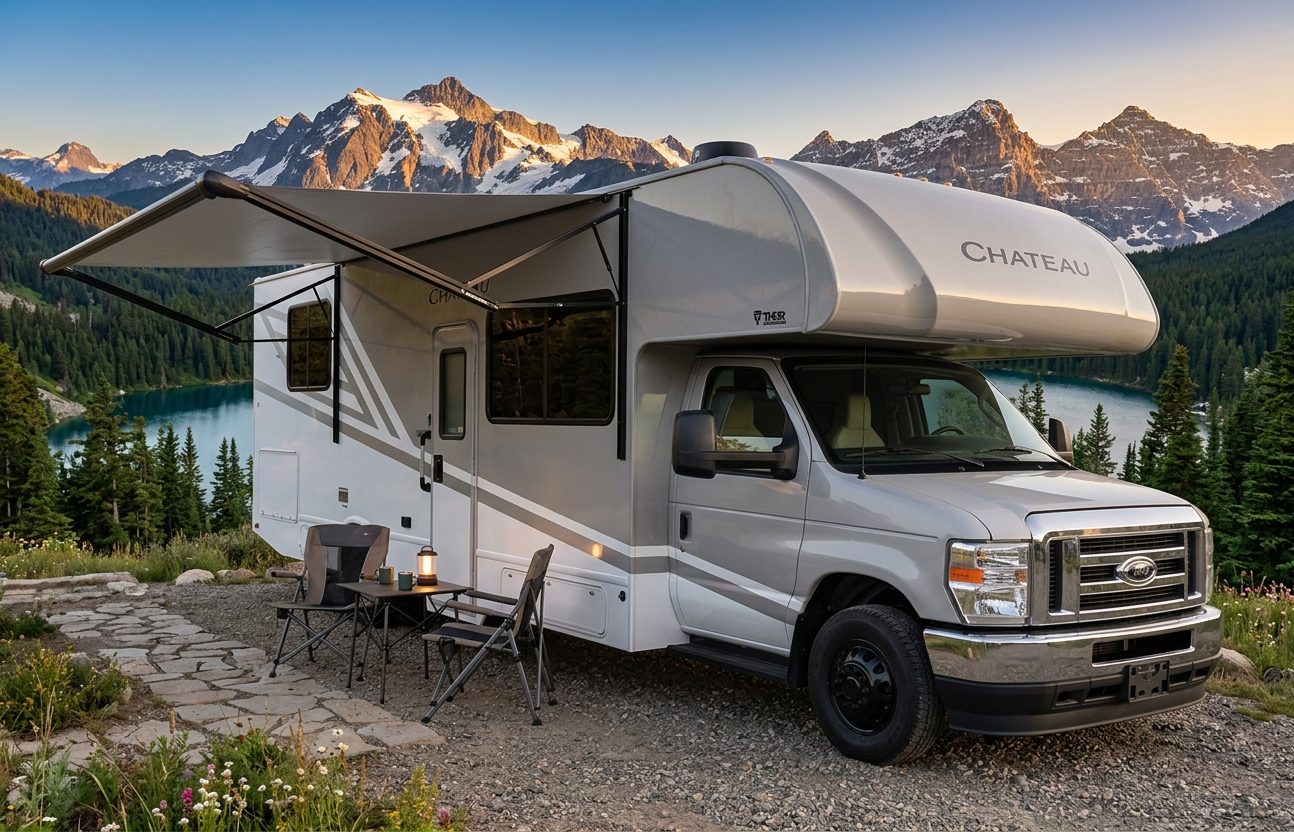
Class C motorhomes strike a balance between the luxury of Class A and the maneuverability of Class B. Recognizable by their over-cab sleeping area, these motorhomes range from 20-30 feet in length and comfortably accommodate 4-8 people. They offer more space than campervans while remaining more fuel-efficient and easier to drive than Class A models. With separate sleeping areas, a full bathroom, kitchen facilities, and often a dining area that converts to additional sleeping space, Class C motorhomes are popular choices for families and small groups seeking comfort without excessive size.
Travel Trailers and Fifth Wheels
Travel trailers and fifth wheels provide the flexibility of having a separate vehicle for day trips once you’ve established your campsite base. These towable RVs come in various sizes and floor plans, from compact 16-foot models to expansive 40-foot luxury units. Travel trailers connect to a standard trailer hitch on your vehicle, while fifth wheels require a special hitch that mounts in the bed of a pickup truck, offering greater stability when towing.
Unique and Specialty RV Options
Beyond the standard classifications, RVshare offers access to unique and specialty RVs that can make your trip truly memorable. Vintage Airstream trailers combine retro charm with modern amenities, while teardrop trailers provide compact sleeping quarters for minimalist travelers. Pop-up campers offer an affordable entry point to RV travel, with canvas sides that expand for sleeping and fold down for travel. For those seeking Instagram-worthy adventures, converted school buses (skoolies), tiny homes on wheels, and custom-built adventure vans are increasingly available on the platform.
RVshare Delivery Options
One of the most attractive features of RVshare is the flexibility in how you can start your adventure. Not everyone feels comfortable driving a 30-foot motorhome or towing a travel trailer, and RVshare understands this concern. Many RV owners offer delivery options that can make your vacation experience significantly more convenient, especially for first-time RVers or those traveling to destinations far from home.
Delivery services have become increasingly popular on the platform, with approximately 40% of RVshare rentals now including some form of delivery. This option transforms the traditional RV experience, making it accessible to travelers who might otherwise be intimidated by the prospect of driving or towing a large vehicle. Additionally, having the RV delivered can save you time, reduce stress, and allow you to begin your vacation the moment you arrive at your destination. For those planning a trip, it’s helpful to explore how to plan an RV trip safely to ensure a smooth and enjoyable journey.
Self-Pickup: What to Know
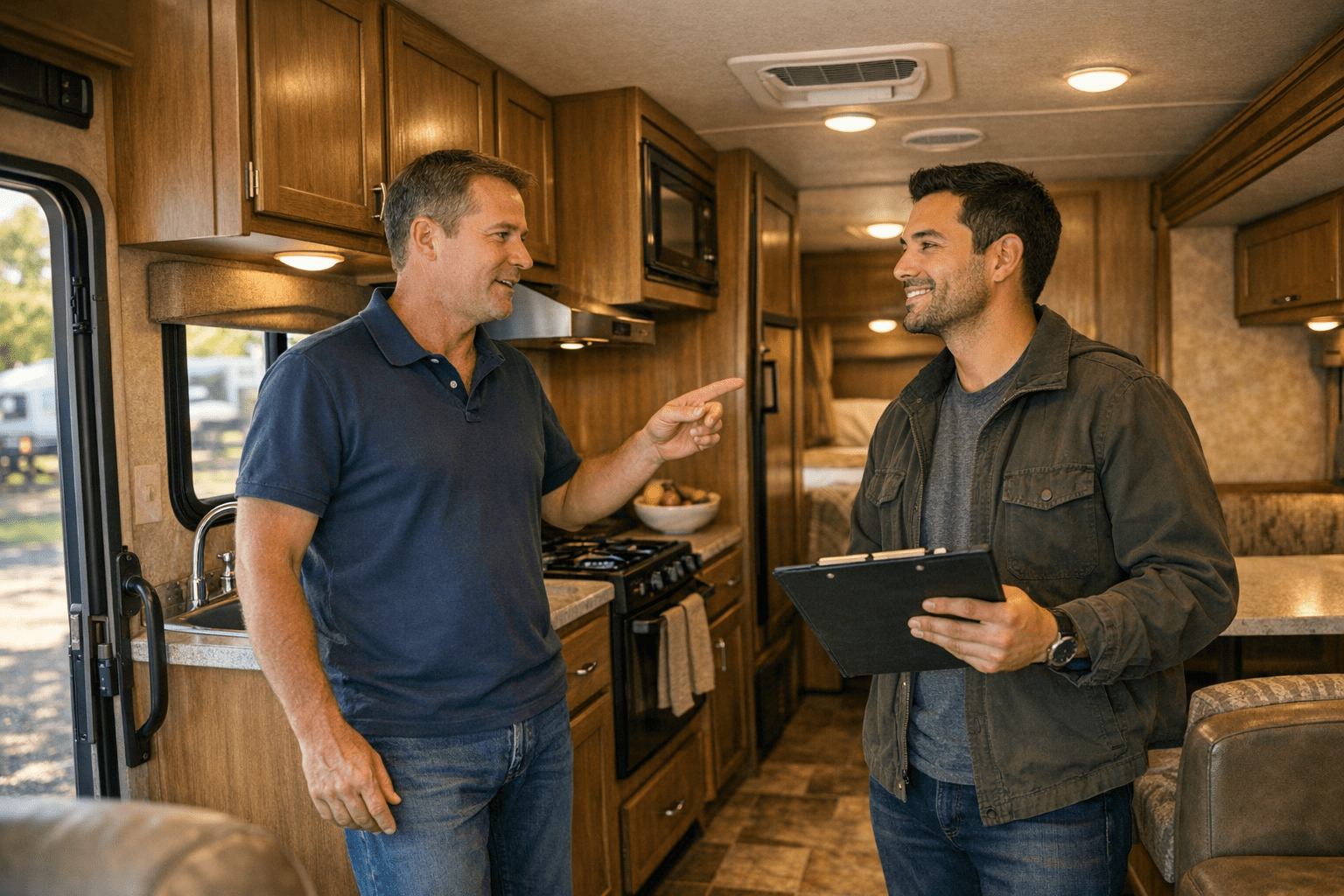
Self-pickup remains the traditional choice for many RV renters, offering maximum flexibility and often the lowest overall cost. When choosing this option, you’ll meet the owner at a designated location (usually their home or a storage facility) to receive a comprehensive walkthrough of the vehicle. During this orientation, the owner will demonstrate how to operate all systems, from the generator and slide-outs to the more mundane but essential functions like emptying the black and gray water tanks.
Before departing with your rental, take time to practice driving in a low-stress environment. Many owners will accompany you on a short test drive to help you get comfortable with the vehicle’s dimensions, turning radius, and braking distance. Document the RV’s condition thoroughly with photos and videos, noting any existing damage to avoid disputes upon return. Finally, ensure you have the owner’s contact information and a clear understanding of the protocol should you encounter any issues during your trip. For additional tips, you can check out this guide on how to plan an RV trip safely.
Delivery to Campgrounds or Event Locations
Having your RV delivered directly to your campground or event location represents the ultimate convenience in RV travel. This service typically includes setup of the RV, with slides extended, leveling completed, and hookups connected to electricity, water, and sewer when available. The owner will perform a complete orientation once everything is set up, showing you how to operate all systems without the pressure of needing to drive the vehicle.
Delivery options are particularly valuable for popular destinations with limited campsite availability, such as national parks, music festivals, or sporting events. By having the RV delivered, you can secure your accommodation while traveling to the destination by plane or car. This arrangement also gives you the freedom to explore the surrounding area with your personal vehicle or a rental car, without being constrained by the size limitations of driving an RV into cities or on scenic roads with restrictions.
Setup Services: Worth the Extra Cost?
The additional cost for delivery and setup services typically ranges from $50 to $200 depending on distance, complexity, and local demand. This fee usually covers both delivery and pickup at the end of your rental period. While this represents an additional expense, it often proves worthwhile when considering the convenience and peace of mind it provides, especially for RV novices or those traveling to unfamiliar areas.
Beyond the convenience factor, professional setup ensures everything is functioning correctly from the start of your vacation. Experienced RV owners know exactly how to level the vehicle properly, connect utilities safely, and configure the interior for maximum comfort. They can also provide location-specific advice about your campground, local attractions, and practical matters like where to find groceries or propane refills. For many travelers, the ability to arrive at a fully prepared “vacation home” transforms the RV experience into something closer to a luxury cabin rental than traditional camping.
7 Essential Tips for First-Time RV Renters
Your first RV adventure can be exhilarating, but it also comes with a learning curve. Even the most meticulous planners can encounter unexpected challenges when adapting to life on wheels. Having guided countless first-timers through successful RV vacations, I’ve compiled these seven essential tips that will help you avoid common pitfalls and maximize your enjoyment from the moment you hit the road. For a comprehensive guide on how to rent an RV, check out this RV rental guide.
Remember that RV travel is as much about the journey as the destination. Embrace the occasional mishap as part of the adventure, and don’t overplan your itinerary to the point where you can’t stop to explore unexpected discoveries along the way. For tips on how to plan your trip safely, check out this guide for RV owners. The freedom to change course and follow your curiosity is, after all, one of the greatest joys of RV travel.
1. Book Early for Best Selection
The most popular RVs on RVshare often book months in advance, especially during peak travel seasons and for prime destinations. Start your search at least 3-6 months before your planned trip to secure the best selection and potentially better rates. Holiday weekends, summer months, and special events can see inventory disappear quickly, so planning ahead gives you more options and better negotiating power with owners.
2. Read Reviews Thoroughly
Previous renter reviews provide invaluable insights beyond what the listing describes. Look for patterns in feedback about the owner’s communication style, the accuracy of the listing, and the condition of the RV. Pay special attention to recent reviews, as they reflect the current state of the vehicle and the owner’s service level.
Don’t be immediately deterred by a single negative review among many positive ones, but do note how the owner responded to criticism. A professional, solution-oriented response indicates an owner who values customer satisfaction. Conversely, defensive or dismissive responses might signal potential communication challenges during your rental period.
When evaluating reviews, focus on issues that would impact your specific trip plans. A minor complaint about storage space might be irrelevant for a weekend getaway but crucial for a two-week journey. Similarly, comments about driving difficulty might be more important if you’re planning mountain routes versus flat highway travel. For a comprehensive understanding of RV rental experiences, you might want to check out this RVshare review.
3. Communicate Clearly with Owners
Establish open communication with the RV owner well before your trip begins. Discuss your travel plans, experience level, and any special requirements or questions you have. Good owners appreciate renters who ask questions upfront rather than encountering problems on the road, and they can provide invaluable advice tailored to your specific journey and the peculiarities of their vehicle. For those planning their first adventure, understanding how to plan an RV trip safely can be especially beneficial.
4. Plan Your Route and Campgrounds Ahead
Unlike hotels, campgrounds with full hookups can fill up months in advance, especially at popular destinations. Research campgrounds along your route, confirm height clearances for bridges and tunnels, and identify RV-friendly fuel stations before departure. Apps like Campendium, The Dyrt, and AllStays can help you find suitable overnight stops and read reviews from other travelers about facilities, noise levels, and accessibility.
5. Understand the RV’s Systems Before Departure
Take the time during your orientation to truly understand how each system in the RV works. This includes electrical (both shore power and generator), water (fresh, gray, and black tanks), propane, heating, cooling, and any slide-out mechanisms. Ask the owner to demonstrate each process, take notes or videos on your phone, and request any available instruction manuals. Knowing how to operate these systems independently will give you confidence on the road and prevent panicked phone calls to the owner when you’re miles from civilization.
6. Pack Smart for RV Living
RV storage space is limited and weight distribution matters for safe handling. Focus on versatile clothing, multipurpose kitchen tools, and compact recreational equipment. Many RVshare rentals come equipped with essentials like bedding, kitchen supplies, and outdoor chairs, so confirm what’s included before packing duplicates.
Remember that weight affects fuel efficiency and vehicle handling, so resist the temptation to bring “just in case” items. Most destinations have stores where you can purchase anything truly essential that you might have forgotten. Organizing your belongings in soft-sided containers rather than hard plastic bins allows for more flexible storage in the RV’s sometimes oddly shaped compartments. For more tips, check out these RV storage ideas.
For food planning, consider meal prep that minimizes dishes and cooking time. One-pot meals, pre-marinated proteins, and ingredients that serve multiple recipes help maximize limited refrigerator and pantry space. Include some shelf-stable backup meals for times when you might not want to venture out or when campground stores have limited options.
7. Know Your Driving Limits
RVs handle differently than passenger vehicles, requiring greater stopping distance, wider turns, and more awareness of height and width clearances. Plan reasonable daily driving distances, typically 200-300 miles maximum, to avoid fatigue and allow time for setup at each new location. Remember that driving an RV requires more concentration than a car, and factors like weather, mountain roads, and urban congestion can significantly impact your travel time and stress levels.
Consider sharing driving responsibilities if traveling with others, and don’t hesitate to pull over if you’re feeling tired or overwhelmed. Many roadside rest areas and truck stops accommodate RVs, providing safe places for short breaks. Using an RV-specific GPS or app like RV Life can help route you along roads suitable for your vehicle’s dimensions, avoiding low bridges, weight-restricted roads, and hazardous conditions.
The RV Pickup Process
The pickup process is your crucial introduction to the vehicle that will be your home on the road. Approach this step with patience and thoroughness, as a comprehensive understanding of your rental RV’s systems and quirks will set the foundation for a successful trip. Most RVshare owners have developed efficient orientation procedures, but it’s ultimately your responsibility to ensure you’re comfortable with all aspects of the vehicle before driving away.
Allow ample time for this process—typically 60-90 minutes for first-time renters—and consider scheduling your pickup during daylight hours when visibility is best for inspecting the vehicle and practicing driving. Arriving rushed or distracted almost guarantees you’ll miss important details that could impact your trip experience. Remember to complete all required paperwork and verify insurance coverage before taking possession of the RV.
What to Expect During Orientation
During orientation, the owner will typically start with exterior features like storage compartments, utility hookups, and access panels before moving to interior systems. They’ll demonstrate how to operate essential functions like power management, water systems, propane appliances, slide-outs, and entertainment systems. Pay close attention to safety features, including emergency exits, fire extinguishers, smoke and carbon monoxide detectors, and stabilizing systems for parking. Don’t hesitate to ask for repeated demonstrations of any processes that seem complicated—experienced RV owners understand there’s a learning curve for newcomers.
Essential Questions to Ask the Owner
Beyond the standard systems overview, prepare specific questions about the RV’s operation and maintenance requirements. Ask about any quirks or special procedures unique to this vehicle, recommended fuel types, tire pressure requirements, generator operation limits, and how to troubleshoot common issues. Inquire about maintenance performed before your rental, such as tank sanitization, propane levels, and filter changes. Finally, establish clear communication channels for emergency assistance and determine what constitutes an emergency versus a question that can wait for regular business hours.
Pre-Departure Inspection Checklist
Before departing with your rental, conduct a thorough inspection documented with dated photos or video. Check exterior surfaces for existing damage, test all lights and signals, inspect tires for proper inflation and wear, and verify fluid levels if accessible. Inside, test all appliances, faucets, toilets, and climate control systems to ensure proper function. Document the fuel level, generator hours, and odometer reading, and ensure these match the rental agreement. Finally, verify that all promised amenities and equipment are present and operational, from kitchen supplies to outdoor furniture, before signing the final rental documents and hitting the road. For additional tips on how to organize your space efficiently, explore these RV storage ideas.
RVshare’s Insurance and Roadside Assistance
RVshare Protection Plans at a Glance
For those considering whether it’s financially smart to buy an RV, RVshare offers comprehensive protection plans. These plans provide peace of mind with insurance coverage and 24/7 roadside assistance, ensuring that your RV adventures are safe and enjoyable.
Standard Insurance: Included with all bookings
Liability Coverage: Up to $500,000
Comprehensive Coverage: Up to $200,000 of the RV’s value
Deductible: $1,500 for motorized RVs, $1,000 for towables
Roadside Assistance: 24/7 emergency service included
RVshare provides comprehensive protection plans that offer significant peace of mind for both renters and owners. Unlike personal auto insurance policies, which often exclude rental vehicles or recreational vehicles specifically, RVshare’s insurance is designed with RV travel in mind. This coverage activates automatically when you book through the platform and follows proper checkout procedures.
The roadside assistance program represents one of RVshare’s most valuable benefits, especially for travelers unfamiliar with RV systems or traveling through remote areas. This service provides 24/7 emergency support for issues like tire blowouts, battery failures, lockouts, and emergency fluid delivery. The roadside assistance extends beyond mechanical issues to include technical support for RV-specific systems like generators and propane appliances.
While comprehensive, RVshare’s insurance does have limitations and exclusions you should understand before your trip. Coverage typically excludes damage resulting from prohibited uses like off-road driving, exceeding passenger limits, or using the RV for commercial purposes. Personal belongings are not covered under the vehicle policy, so consider how your homeowner’s or renter’s insurance might apply or whether supplemental travel insurance is appropriate for your situation.
Standard Insurance Coverage
The standard insurance included with all verified RVshare bookings provides up to $500,000 in liability coverage and comprehensive protection up to $200,000 of the RV’s value, subject to a deductible ($1,500 for motorized RVs and $1,000 for towables). This policy covers collision damage, vandalism, theft, and weather-related incidents during the rental period. Additional coverage options may be available at booking for those seeking lower deductibles or enhanced protection. For international travelers, verify that your booking includes appropriate coverage, as requirements may differ based on your country of residence and driver’s license type.
24/7 Roadside Assistance Benefits
The included roadside assistance program is a lifesaver when you’re miles from the nearest service center. This comprehensive service covers mechanical breakdowns, flat tires, dead batteries, lockouts, and even emergency fluid and fuel delivery. What makes this particularly valuable for RV travelers is that the service extends to RV-specific systems that standard auto roadside assistance often excludes, such as generator failures, slide-out malfunctions, and issues with leveling systems.
When you encounter a problem, certified technicians familiar with recreational vehicles are dispatched to your location. If they can’t resolve the issue roadside, towing services are provided to the nearest qualified repair facility at no additional cost. For travelers in remote areas, this can represent thousands in savings compared to arranging emergency towing independently. The peace of mind that comes with knowing professional help is just a phone call away allows you to venture confidently into less-traveled areas where cell service might be spotty and service stations few and far between.
What’s Not Covered: Important Exclusions
While RVshare’s insurance is comprehensive, certain situations fall outside the coverage boundaries. The policy doesn’t cover damage resulting from prohibited uses such as off-road driving, exceeding passenger limits, or commercial activities like filming or transporting goods. Additionally, intentional damage, mechanical failures due to pre-existing conditions, and personal belongings inside the RV are typically excluded from coverage. It’s crucial to review these exclusions before your trip and consider supplemental insurance for high-value personal items.
Most importantly, insurance validation requires following proper checkout procedures. This means completing the RVshare booking process fully online, documenting the RV’s condition with photos at pickup, and ensuring all drivers are approved and listed on the rental agreement. Informal side agreements or cash payments to “save on fees” will invalidate your insurance coverage and roadside assistance benefits, leaving you fully exposed to liability and repair costs. Always book through the platform and follow documentation requirements to maintain your protection.
Top RV Destinations for Your Next Adventure
The beauty of RV travel lies in the freedom to explore diverse landscapes and experiences while bringing your accommodations along for the ride. From coastal escapes to mountain retreats, America offers an incredible variety of RV-friendly destinations that showcase the country’s natural beauty and cultural diversity. Whether you’re seeking solitude in nature or family-friendly attractions, there’s a perfect destination waiting for your RV adventure.
National Parks Perfect for RV Travel
America’s national parks represent some of the most stunning landscapes on the planet, and many are ideally suited for RV exploration. The Grand Canyon’s South Rim offers several campgrounds with RV-specific sites, placing you steps away from breathtaking vistas that change with every hour of daylight. Yellowstone National Park, with its geothermal wonders and abundant wildlife, features multiple campgrounds accommodating various RV sizes, though reservations are essential during peak summer months. For desert landscapes that seem otherworldly, Joshua Tree National Park provides unique boondocking opportunities on Bureau of Land Management (BLM) lands surrounding the park, perfect for self-contained RVs seeking a more primitive experience. For those exploring the northeastern U.S., check out our New England RV parks guide for tips and best spots.
When planning national park RV trips, research campground restrictions regarding vehicle length, reservation requirements, and hookup availability. Many national park campgrounds have limited or no hookups, so prepare for dry camping by ensuring your fresh water tanks are full and waste tanks empty before arrival. Generator use is often restricted to specific hours to preserve the natural soundscape, so solar setups or battery banks are valuable additions for extended stays. Despite these considerations, waking up inside these protected landscapes offers experiences that simply can’t be matched by day trips from distant hotels.
Beach Destinations with Great RV Campgrounds
The allure of coastal camping combines the comfort of your RV with the soothing rhythm of ocean waves and stunning sunset views. Florida’s Gulf Coast offers numerous RV-friendly options, with Destin and the Florida Panhandle providing sugar-white beaches alongside full-hookup campgrounds. California’s coastline features gems like Jalama Beach County Park, where oceanfront sites place you just steps from uncrowded beaches and spectacular whale watching opportunities. For Atlantic Coast enthusiasts, North Carolina’s Outer Banks offers several campgrounds nestled among the dunes, providing the perfect base for lighthouse tours, wild horse viewing, and fresh seafood adventures.
Mountain Getaways with RV-Friendly Routes
Mountain destinations offer cooler summer temperatures and breathtaking scenery, though they require careful route planning for larger RVs. Colorado’s Rocky Mountain National Park region features numerous private campgrounds in nearby Estes Park, offering full hookups and shuttle service to popular trailheads. The Blue Ridge Parkway winds through Virginia and North Carolina with multiple campgrounds offering magnificent Appalachian Mountain vistas, particularly spectacular during fall foliage season. For a truly epic mountain journey, the Alaska Highway provides access to some of North America’s most dramatic wilderness landscapes, with well-established RV parks catering to the many travelers making this bucket-list journey.
When navigating mountain routes, research road grades, switchbacks, and tunnel clearances before committing to a route with your RV. Apps like RV Trip Wizard and Mountain Directory provide valuable information about challenging sections, helping you avoid roads unsuitable for your vehicle’s size and power. In mountainous regions, weather can change rapidly, so build flexibility into your schedule and have backup plans for severe conditions. Despite these planning considerations, mountain RV destinations reward travelers with unparalleled natural beauty and outdoor recreation opportunities from hiking and fishing to wildlife photography.
Budget-Friendly RV Destinations
RV travel doesn’t always require premium-priced destinations to deliver memorable experiences. State parks often provide excellent facilities at a fraction of private campground costs, with many offering surprisingly spacious sites, clean facilities, and prime locations near beaches, lakes, and forests. The Bureau of Land Management (BLM) oversees millions of acres of public lands, primarily in western states, where dispersed camping is permitted free of charge for up to 14 days in most areas. These boondocking opportunities on public lands provide cost-conscious travelers with stunning settings in exchange for self-sufficiency and leave-no-trace camping practices.
Returning Your RV: End of Trip Essentials
The return process is just as important as the pickup when it comes to ensuring a positive rental experience and avoiding unexpected charges. Most RVshare owners have specific expectations for the condition of the vehicle upon return, from cleanliness levels to fuel requirements. Understanding these expectations and planning for them will help you end your trip on a positive note and potentially earn you a glowing review that makes future rentals easier to secure.
Start preparing for your return at least a day before your scheduled drop-off time. This buffer allows you to address any unexpected cleaning challenges, locate appropriate dump stations, and refuel without rushing. Many first-time renters underestimate the time required for proper RV return procedures, especially for larger vehicles with complex systems. A rushed return often leads to overlooked steps or incomplete cleaning that may result in additional charges or disputes with the owner.
Cleaning Requirements
Most RVshare owners expect their vehicles to be returned reasonably clean, though specific requirements vary by listing. At minimum, you should remove all personal belongings, dispose of trash properly, sweep floors, wipe down countertops and tables, clean the refrigerator, and ensure the bathroom facilities are sanitary. Some rentals include cleaning fees that cover basic cleaning, while others require more thorough attention or charge additional fees if the RV isn’t returned in acceptable condition. Review the cleaning expectations in your rental agreement and ask the owner for clarification if needed during the pickup orientation.
Fuel and Propane Refilling
The standard expectation is to return the RV with the same fuel and propane levels as when you received it, typically full tanks. For motorized RVs, fill the gas or diesel tank at a station close to your return location, keeping the receipt as proof of compliance. Propane refilling requires more planning, as not all gas stations offer this service. Research propane filling locations along your return route and allow extra time for this stop, as the process often takes longer than a standard fuel fill-up. Be aware that propane tanks cannot be filled to 100% capacity for safety reasons, so “full” typically means 80-85% of the tank’s capacity.
For generator fuel, many RVs have separate fuel systems or usage tracking. If your rental agreement specifies generator hour limits or surcharges, ensure you’re aware of the starting hours and your usage throughout the trip. Some owners charge additional fees for excessive generator use, typically after a certain number of included hours. This is particularly important for boondockers who rely heavily on generators for power while camping without electrical hookups.
Final Inspection Process
The final inspection mirrors the pickup process, with the owner examining the vehicle for any new damage, verifying systems are functioning properly, and confirming compliance with return requirements. Be present during this inspection so you can address any concerns immediately. Document the condition of the RV with photos or video from the same angles as your departure documentation, creating a clear record of how you returned the vehicle. Pay particular attention to areas that might be considered damage but weren’t noted during pickup, such as minor scratches, stains, or small dents.
Discuss any issues or challenges you experienced during your trip honestly with the owner. This transparency serves several purposes: it alerts the owner to potential maintenance needs, provides valuable feedback for improving the rental experience for future customers, and demonstrates your responsibility as a renter. If you encountered a mechanical issue or accidental damage, it’s better to disclose it during return than have the owner discover it later, which could appear as an attempt to hide problems.
Once the owner is satisfied with the vehicle’s condition, they’ll mark the rental as complete in the RVshare system, which triggers the release of your security deposit (typically within 3-5 business days). Some owners provide immediate release of deposits for rentals returned in excellent condition, which is another incentive for thorough preparation before your return appointment. Maintaining good communication throughout this process ensures a smooth conclusion to your adventure and builds positive relationships for future rentals.
Start Your RV Adventure Today
The open road is calling, and RVshare makes answering that call easier than ever before. With thousands of RVs available across the country, from luxurious motorhomes to compact campervans, the perfect vehicle for your adventure is just a few clicks away. Whether you’re planning a weekend getaway to a nearby state park or a cross-country expedition to multiple national parks, RVshare’s platform connects you with RV owners ready to help make your travel dreams a reality.
- Create your free account on RVshare.com
- Enter your desired location and travel dates
- Filter results based on your specific needs and preferences
- Communicate directly with owners to ask questions
- Book securely through the platform with insurance included
- Pick up your RV or have it delivered to your destination
Remember that every great adventure begins with a single step, and booking your RV is that crucial first move toward creating memories that will last a lifetime. The freedom of traveling with your accommodations in tow means spontaneous detours, spectacular sunset views from your doorstep, and evenings around the campfire under star-filled skies. From solo travelers seeking solitude to families creating generational memories, RV travel offers experiences that traditional vacations simply can’t match.
The RV lifestyle has experienced tremendous growth in recent years, and for good reason. It combines the comfort of home with the thrill of exploration, allowing you to experience destinations on your own terms. Whether you’re testing the waters with a weekend rental or planning an extended journey, RVshare provides the vehicle, support, and community to make your trip successful. Start browsing available RVs today, and take the first step toward your next great adventure.
Frequently Asked Questions
As you plan your RV adventure, you likely have questions about the rental process, driving requirements, and what to expect on the road. Here are answers to the most common questions first-time RVshare renters ask before embarking on their journeys.
Is RVshare legitimate and safe to use?
Yes, RVshare is a legitimate and secure platform that has facilitated over one million rental days since its founding in 2013. The company provides secure payment processing, standardized rental agreements, and insurance coverage for all verified bookings. Additionally, the review system allows you to research owners before booking, while the company’s customer support team is available to assist with any issues that might arise during the rental process. For added security, communication and payments should always remain within the RVshare platform, which provides protection for both renters and owners. For those planning a trip, consider these tools for RV owners to ensure a safe and enjoyable journey.
Do I need a special license to drive an RV?
For most RV rentals, a standard driver’s license is sufficient. However, requirements vary depending on the vehicle’s size and your state of residence. Generally, motorhomes under 26,000 pounds gross vehicle weight rating (GVWR) can be operated with a regular driver’s license in most states. Larger Class A motorhomes, particularly diesel pushers exceeding this weight limit, may require a commercial driver’s license (CDL) or non-commercial special license in some states.
Beyond licensing requirements, consider your comfort level with driving larger vehicles. If you’re new to RVing, starting with a smaller Class C motorhome or travel trailer towed by a vehicle you’re familiar with might be wise. Many RVshare owners offer delivery and setup services that eliminate the need to drive the RV at all, which can be an excellent option for first-time renters or those traveling to destinations with challenging access roads.
- Class B and small Class C motorhomes: Standard license in all states
- Medium to large Class C motorhomes: Standard license in most states
- Class A motorhomes: Standard license for units under 26,000 pounds GVWR in most states
- Class A motorhomes over 26,000 pounds: May require special license in some states
- Fifth wheels and travel trailers: Standard license, but check state regulations for combined vehicle/trailer weight
If you’re planning to cross state lines during your trip, research the requirements for each state on your itinerary, as regulations can vary. When in doubt, contact the Department of Motor Vehicles in the states you’ll be traveling through for the most current information.
What happens if the RV breaks down during my trip?
If mechanical issues arise during your rental period, RVshare’s included roadside assistance program should be your first resource. Available 24/7, this service can dispatch appropriate help for issues ranging from flat tires and lockouts to more complex mechanical failures. The roadside assistance program includes towing to the nearest qualified repair facility if necessary. For system issues that don’t affect drivability, such as appliance malfunctions or electrical problems, contact the owner for troubleshooting guidance before attempting repairs yourself.
For significant breakdowns requiring extended repairs, RVshare’s customer support team can help mediate between you and the owner regarding trip interruption compensation. While policies vary by rental, many owners offer partial refunds for unusable days or assistance with securing alternative accommodations if the RV requires extensive repairs. To avoid complications, document all issues with photos or video as they occur, maintain clear communication with the owner, and keep receipts for any owner-approved emergency repairs you might pay for out-of-pocket (which are typically reimbursable with proper documentation).
Can I bring my pet on an RVshare rental?
Pet policies vary by individual RV listing, with approximately 60% of RVshare owners allowing pets in their vehicles. When searching for rentals, you can filter results to show only pet-friendly options. Be aware that pet-friendly rentals may require additional cleaning fees or security deposits, and most have specific rules regarding the number, size, and types of animals permitted. Always disclose your pets during the booking process, even if the listing states they’re allowed, as some owners may have breed-specific restrictions or require pet documentation.
How far in advance should I book an RV on RVshare?
Booking timeframes depend on your travel season, destination popularity, and specific RV requirements. For summer trips to popular destinations like national parks or coastal areas, booking 6-9 months in advance is recommended to secure prime RVs with the best rates. For less competitive seasons or destinations, 2-3 months advance booking is typically sufficient. Holiday weekends and special events may require even earlier planning, sometimes up to a year for premium units at in-demand locations. Last-minute bookings are possible, especially during off-peak seasons, but selection will be limited and prices may be higher due to reduced competition among available units. For more insights on planning your trip, check out these tools for RV owners.
When planning your booking timeline, consider that many owners offer early booking discounts, while last-minute rentals often come with premium pricing. Creating a flexible date range and vehicle type can increase your options when booking closer to your travel dates. For truly unique RVs like vintage Airstreams or luxury Class A motorhomes, earlier booking is essential regardless of season, as these specialty units are limited in availability and highly sought after by experienced renters who book well in advance.
Remember that booking early doesn’t just secure your preferred RV—it also gives you more time to research campgrounds, plan your route, and prepare for your adventure. Many of the most desirable campgrounds in popular destinations book up faster than the RVs themselves, so coordinating these reservations simultaneously is ideal for a smooth planning process. For instance, you might want to check out some of the best RV campgrounds in Massachusetts as part of your trip planning.
When planning an RV trip, it’s crucial to consider safety and preparation. Ensuring your vehicle is in good condition and having the right tools can make a significant difference. For a comprehensive guide on how to plan an RV trip safely, check out this article on RV trip safety tips and tools.