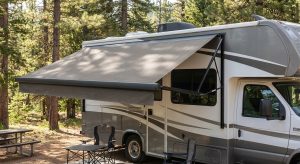
Look, RV awnings seem straightforward until yours breaks at the worst possible time.
You extend it at a campsite, hear a weird grinding noise, and suddenly you’re googling repair costs on your phone. Or the fabric starts ripping after two seasons and you’re wondering if you bought garbage or if this just happens to everyone.
The thing is, some awnings hold up for years without drama. Others become expensive headaches before you’ve even paid them off.
This rv awning review breaks down what actually matters when you’re comparing options. Not the marketing hype, just the stuff that shows up after months on the road.
Product Overview
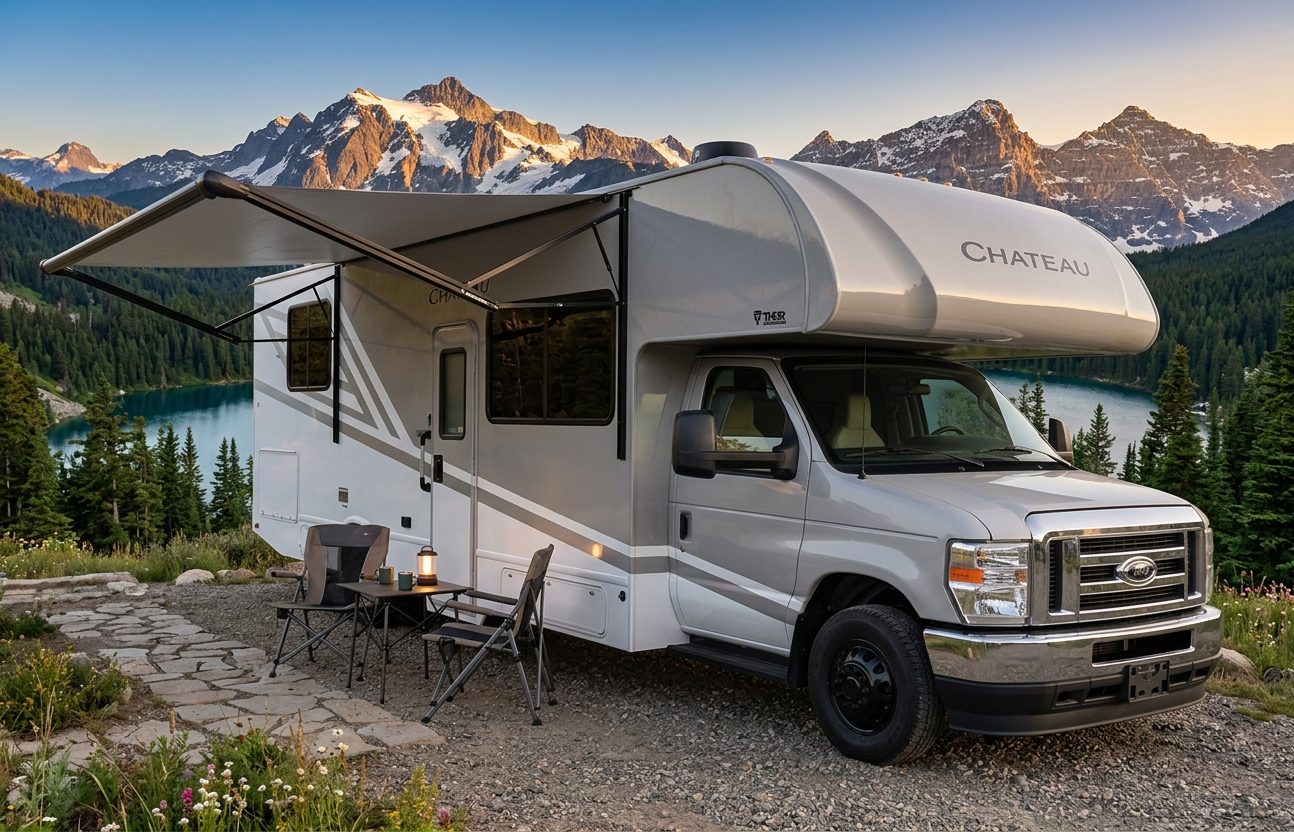
The RV awning market basically comes down to a few major brands that dominate everything. You’ve got manual awnings (hand-crank style), electric awnings with motors and remotes, and newer solar-integrated systems for people doing serious off-grid camping.
Manual awnings appeal to people who want simple gear that doesn’t break. No motors, no electrical issues, just you and a crank handle.
Takes a couple minutes to deploy but there’s zero chance of motor failure.
Electric awnings cost more but most people end up preferring them after trying both. Press a button, awning extends, done.
The convenience factor is real when you’re setting up camp in the heat or dealing with sudden weather changes.
Solar awnings are the newest category. They generate power while providing shade, which sounds perfect for boondocking… until you see the price tag.
We’ll get into whether that math actually works later.
Most awnings use vinyl or polyester fabric stretched over aluminum frames. The fabric choice matters way more than people realize.
Cheap vinyl fades and weakens fast.
Better fabrics include UV coatings and mildew treatments that actually extend lifespan by years.
Key Features and Specifications
Fabric Materials and Longevity
Basic vinyl is waterproof and cheap. That’s about where the positives end.
Polyweave vinyl sits in the middle tier. Better breathability, slightly more durable.
Acrylic fabrics cost more upfront but resist UV damage better than anything else.
The difference shows up after two seasons. Budget fabric looks faded and feels brittle.
Quality fabric still has color and structural integrity.
How They Actually Operate
Manual systems use a crank. You turn it, awning extends, you lock it in place.
Simple.
Reliable. Some people love this because there’s nothing to fail mechanically.
Other people try it once and immediately wish they’d spent extra for electric.
Electric awnings deploy in 20-30 seconds. Modern ones include wireless remotes and motion sensors that automatically retract during wind or rain. The better systems have variable speed controls which reduces stress on components.
Cheaper motorized awnings skip this refinement and you can tell because they wear out faster.
Size and Coverage
Awnings come in standard widths, usually 12 to 18 feet, with various extension depths. You need to match your RV’s mounting points and figure out how much shade coverage you actually need.
Underestimate and you’re still getting sun exposure at the wrong times. Oversize and you’re dealing with handling issues and increased wind problems.
Weight and Build Quality
Heavier-duty awnings with reinforced arms handle wind better. They resist sagging.
They weigh more which impacts fuel economy slightly, but the longevity payoff is worth it.
Budget awnings sometimes use thinner aluminum that flexes under load. Eventually it cracks.
You’ll end up replacing the whole thing sooner than you planned.
Performance Testing Results
Some manufacturers actually test their products beyond basic standards. One brand put their Xpanse solar awning through extreme testing that included:
- Vibration simulation (10 times normal off-road driving forces)
- Temperature cycling from -4°F to 150°F
- Sand-blasting at 40 mph
- 30,000-mile equivalent road test including potholes and desert terrain
After all that punishment, the awning showed no solar damage, no loose fasteners, zero performance degradation. That’s the kind of engineering that separates quality from mediocre.
Wind Resistance Reality
Most awnings fail in high wind. The failure points are usually fasteners loosening, arms bending, or fabric tearing at attachment points.
Quality awnings use sealed fasteners and robust arm designs rated for 45 mph winds without permanent damage. Budget options can’t claim this because they haven’t actually tested it.
How Long Fabric Actually Lasts
Fabric deteriorates through UV exposure, mildew growth, and improper storage (rolling it up wet, leaving it exposed year-round without covers).
Better fabrics include mildew inhibitors and thicker UV-protective coatings. Even so, fabric exposed year-round without protective covers degrades within two to three years max.
Properly maintained fabric lasts five to seven years or longer. That’s the difference between a $400 replacement every two years versus every six years.
Motor Reliability Issues
Electric motors fail more often than anything in manual awnings. The usual culprits are loose wiring, blown fuses, and moisture getting into electronics.
Sealed connectors and weatherproofed electronics reduce failure rates significantly. Testing motor operation before every trip catches issues early, before you’re stuck at a campsite with a half-deployed awning.
User Experience Evaluation
People consistently mention three things: how easy it is to operate, how fast it deploys, and how loud it is during operation.
Deployment Speed
Manual awnings take two to three minutes to fully extend. That’s fine for campground use where you’re settled in for days.
Electric awnings deploy in 20-30 seconds, which matters when weather changes suddenly or you’re moving between sites often.
Wireless controls add convenience and introduce another potential failure point. Dead batteries, lost remotes, that kind of thing.
Noise Level
Some electric awnings generate noticeable motor noise. If you’re trying to maintain a peaceful campsite atmosphere, this gets annoying fast.
Higher-end motors run quieter. Vibration during operation usually means loose fasteners or poor frame alignment, issues that compound over time if ignored.
The Maintenance Reality
This is where costs really mount up.
Simple repairs (tightening a loose arm bolt, patching a small tear): $75-$150, under an hour of work
Fabric replacement on a 16-foot manual awning: $325-$600, takes one day if material is in stock
Electric motor replacement: $1,100-$1,800, 2-4 day turnaround
The frustrating part is that many of these issues could’ve been prevented. Checking fasteners monthly, applying silicone lubricant to tracks, retracting during wind gusts… basic maintenance that most people skip.
DIY Repairs
Small fabric tears and basic cleaning are manageable if you’re reasonably handy. A canvas repair kit costs $15-$75.
Complex repairs involving motors, spring replacement, or full fabric installation need professional skills. Attempting motorized awning repairs without electrical knowledge often results in permanent damage that costs more to fix.

Dominates the premium segment. Their Altitude model includes motion sensors, LED lighting, app compatibility, and wireless control.
The downside is price variability and dealer dependency. You can’t just order online and get a straight answer on cost.
Build quality is excellent. Features actually work (unlike some competitors where the app barely connects).
If you’re doing extended travel and want reliability without babysitting your awning, this is the tier you’re looking at.
Appeals to practical people who value reliability over fancy features.
The cassette design protects fabric when retracted, which extends lifespan significantly. Manual operation means no motor failures, which some people strongly prefer.
Build quality is solid without unnecessary complexity. It does what it’s supposed to do without drama.
If you’re weekending or doing frequent shorter trips, this hits the sweet spot between cost and reliability.
Targets budget buyers. The $622 price point is attractive until you factor in installation.
Multiple reviews mention that installation needs more effort than expected. Disassembling the entire frame, drilling out rivets, reinstalling with new fasteners. Not a weekend job for one person.
Quality control varies. Some people get units that work fine for years, others report issues within months.
That inconsistency is the tradeoff for the lower price.
Combines awnings with roof rack systems if you’re already in their ecosystem. Integration sounds appealing until you need replacement parts and learn that component compatibility matters.
Premium pricing without necessarily premium durability compared to Carefree or Dometic.
Price and Value Analysis
RV awning costs break into two phases: initial purchase and ongoing maintenance.
Initial Purchase
Manual awnings: $500-$900
Electric awnings: $1,200-$2,500
Solar awnings: $2,500-$4,500
Budget options under $700 exist but often need professional installation (add $200-$400) and typically need fabric replacement within three years.
Annual Maintenance Reality
Routine maintenance (cleaning, lubrication, fastener checks) costs basically nothing if you handle it yourself. Professional annual inspections run $75-$150.
When issues emerge, costs escalate quickly:
- Motor replacement: $300-$600
- Spring or arm repair: $150-$300
- Full fabric replacement: $400-$800
Long-Term Math
A $1,500 quality electric awning lasting seven years costs about $214 annually.
A $600 budget awning requiring replacement at year three costs $200 annually… plus more frequent repairs.
The math favors quality, but cash flow timing matters if you’re managing finances carefully or just starting out.
Solar awnings present an interesting case. Higher upfront costs ($3,000-$4,500) get recouped through reduced generator runtime, which saves fuel and extends engine life.
If you spend 100+ days annually off-grid, this calculation works in solar’s favor. Otherwise it’s harder to justify.
Final Verdict and Rating
The best RV awning depends on how you actually travel and what you prioritize.
For Extended Travel
The Carefree of Colorado Altitude justifies its cost if you’re spending serious time on the road.
Automatic retraction eliminates worrying about storm protection. App control means you can deploy shade before arriving at camp.
Longevity is strong because of materials and engineering.
The drawback is price and dealer availability, but for extended use the reliability is worth it.
For Frequent Weekend Use
The Dometic 8500 Manual hits a good balance.
Cost is moderate, operation is foolproof, cassette design protects fabric. You’ll hand-crank it a few times per trip, which honestly isn’t that burdensome.
Repair costs stay lower because there’s no motor to fail. For people doing regular camping without living in the RV, this makes sense.
For Budget-First Buyers
The ALEKO Retractable works if you factor installation costs into the total.
You’re likely spending $800-$1,000 all-in unless you tackle installation yourself (which is doable if you’re handy and have time).
Expect some quality control variance. It’s a budget option with budget tradeoffs.
For Serious Off-Grid Camping
A solar-integrated awning like the Xpanse addresses power generation alongside shade.
Upfront cost is significant but durability testing proves this category can handle extreme conditions. For people committed to extended boondocking, the reduced reliance on generators justifies the investment.
Casual campers won’t recoup the cost quickly enough to make it worthwhile.
Making the Decision
The most overlooked factor in awning selection is maintenance commitment.
A $500 cheap awning will cost you $1,500 in repairs within three years if you neglect routine checks. A $1,500 quality awning maintained properly lasts seven to ten years.
The people who avoid expensive repairs are the ones checking fasteners quarterly and retracting during wind. That’s it.
Basic maintenance prevents most of the expensive problems.
Your travel style matters equally. Moving every two days means simplicity (manual operation) has real value.
Stationary for weeks at a time means automatic features justify the cost.
Working remotely from your RV means reliability becomes non-negotiable. You can’t afford downtime dealing with awning repairs.
Where to Start
Measure your RV’s width and desired extension depth. Check mounting specifications.
Decide between manual and electric based on your physical ability and budget.
Read recent reviews specifically mentioning long-term durability. Avoid reviews from people with just a few months of experience, they haven’t encountered the issues that show up over time.
One more thing… invest $50 in a quality maintenance kit. Silicone spray, fastener checkers, fabric patch material.
That small investment prevents thousand-dollar problems down the road.
Your awning will repay the attention with years of reliable shade and weather protection without the drama of constant repairs.