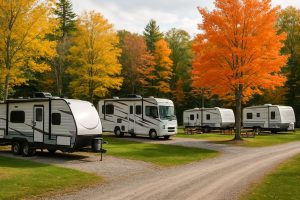
Article-At-A-Glance
- Massachusetts offers over 100 RV parks across diverse landscapes from Cape Cod’s beaches to the scenic Berkshire Mountains
- Atlantic Oaks Campground provides the best access to Cape Cod National Seashore with full hookup sites and prime location
- Normandy Farms in Foxboro stands out as Massachusetts’ most luxurious RV destination with resort-style amenities
- Book Massachusetts state park campgrounds 6 months in advance, especially for summer weekends to secure your spot
- Fall camping (September-October) offers the perfect combination of comfortable temperatures, spectacular foliage, and fewer crowds
Looking for the perfect RV getaway in the Bay State? Massachusetts packs an impressive variety of camping experiences into its compact borders. From the sandy shores of Cape Cod to the rolling Berkshire Mountains, RV enthusiasts can find their ideal campsite within a short drive from virtually anywhere in the state. Campspot offers an incredible selection of Massachusetts RV parks to suit every camping style, whether you’re seeking oceanfront relaxation or woodland adventure.
With over 200 miles of Atlantic coastline and more than 100 RV-friendly campgrounds scattered across the state, Massachusetts delivers exceptional camping diversity, as mentioned, without requiring long drives between destinations. The state’s compact size means you can beach camp on Cape Cod one day and explore mountain trails in the Berkshires the next. This guide will navigate you through Massachusetts’ most outstanding RV parks, highlighting essential amenities, booking strategies, and seasonal considerations to ensure your perfect New England camping experience.
Massachusetts RV Camping At-A-Glance
Massachusetts RV camping offers something for every outdoor enthusiast, with options ranging from rustic state park campsites to luxury RV resorts with all the amenities of home. The camping season generally runs from April through October, with peak demand during summer months when coastal destinations become particularly sought-after. Fall brings spectacular foliage displays that transform campgrounds across the state into vibrant autumn wonderlands. While most campgrounds close for winter, a select few operate year-round for the hardiest of campers willing to brave New England winters.
Top-Rated RV Campgrounds in Massachusetts You Shouldn’t Miss
Massachusetts boasts an impressive collection of top-rated RV destinations that combine natural beauty with excellent amenities. The state’s diverse geography creates distinct camping regions, each offering unique experiences for RV travelers. From oceanfront sites with crashing waves as your soundtrack to peaceful forest retreats where wildlife abounds, Massachusetts campgrounds cater to every preference. The following selections represent the cream of the crop across different regions of the state, with options for family-friendly atmospheres, pet-welcoming policies, and varying levels of luxury.
Cape Cod & Islands: Oceanfront RV Paradise
Cape Cod RV Camping Quick Facts
• Peak Season: Late June through August
• Average Summer Temperatures: 75-85°F days, 60-65°F nights
• Reservation Window: 6-12 months recommended
• Typical Price Range: $55-125 per night
• Must-Have: Beach gear, bikes, and insect repellent
Cape Cod represents Massachusetts’ premier RV camping destination, drawing visitors with its pristine beaches, charming coastal towns, and fresh seafood. The Cape’s unique geography—a curved peninsula extending into the Atlantic—creates over 500 miles of shoreline where RVers can find everything from bustling beach towns to secluded natural areas. The region’s moderate summer temperatures provide relief from inland heat, though this weather advantage makes Cape campgrounds among the most competitive to book in New England. Most Cape Cod campgrounds operate seasonally from May through October, with July and August representing absolute peak demand.
Beyond the Cape itself, the islands of Martha’s Vineyard and Nantucket offer additional RV opportunities for those willing to brave the ferry crossing. Martha’s Vineyard accepts RVs on its larger ferries, while Nantucket typically requires leaving your rig on the mainland. The Cape Cod National Seashore, established by President Kennedy in 1961, protects 40 miles of pristine Atlantic beaches and serves as the backdrop for several of the region’s most coveted camping spots. Many Cape Cod campgrounds have been family-owned for generations, maintaining a traditional New England camping atmosphere while gradually updating amenities to meet modern expectations.
Atlantic Oaks Campground – Gateway to Cape Cod National Seashore
Atlantic Oaks Campground in Eastham stands as the premier RV basecamp for exploring Cape Cod National Seashore. Located just one mile from Coast Guard Beach (consistently ranked among America’s best beaches), this meticulously maintained campground offers 105 full hookup sites with 30/50-amp service. The campground strikes the perfect balance between natural surroundings and modern conveniences, with sites nestled among oak trees while still providing cable TV and campground-wide Wi-Fi. Their premium sites can accommodate rigs up to 40 feet, with gravel pads, picnic tables, and fire rings standard at all locations.
Dunes’ Edge Campground – Provincetown’s Hidden Gem
Tucked among the dunes at the very tip of Cape Cod, Dunes’ Edge Campground provides a more natural experience while remaining just minutes from downtown Provincetown’s restaurants, shops, and entertainment. This Trustees of Reservations property maintains 85 wooded campsites, with a limited number offering water and electric hookups suitable for smaller to mid-sized RVs. What Dunes’ Edge lacks in resort amenities, it makes up for in location and atmosphere – the campground sits adjacent to the Province Lands section of Cape Cod National Seashore, with direct trail access to some of the Cape’s most spectacular dune landscapes. The campground’s proximity to Provincetown means easy access to whale watching excursions, art galleries, and the Cape’s most vibrant nightlife.
Martha’s Vineyard Family Campground – Island Escape for RVers
- Only dedicated campground on Martha’s Vineyard with 120 sites
- Accommodates RVs up to 32 feet with water/electric hookups
- Located in oak and pine forest 2 miles from Vineyard Haven ferry
- Centrally positioned for exploring all six island towns
- Seasonal shuttle bus service connects campground to beaches and towns
- Advance ferry reservations essential for bringing RVs to the island
Adventurous RVers seeking a truly unique Massachusetts camping experience should consider Martha’s Vineyard Family Campground. This 20-acre wooded retreat represents the only campground on the famous island, offering a surprisingly affordable way to experience a destination typically associated with luxury. The campground provides water and electric hookups for RVs (no sewer connections), with centrally located bath houses featuring hot showers and laundry facilities. What makes this experience special is the combination of rustic forest camping with easy access to the Vineyard’s world-class beaches, charming towns, and excellent dining – all navigable by the island’s comprehensive bus system.
The logistics of bringing your RV to Martha’s Vineyard require planning – you’ll need to secure a vehicle reservation on the Steamship Authority ferry from Woods Hole to Vineyard Haven well in advance, particularly for summer travel. The ferry accommodates RVs up to 32 feet, though size restrictions may apply during peak periods. Once on island, the campground is just a short drive from the ferry terminal, positioning you perfectly for exploring all six of Martha’s Vineyard’s distinctive towns and numerous beaches. Despite the extra effort, camping on Martha’s Vineyard offers an unforgettable way to experience this iconic New England destination at a fraction of the cost of traditional accommodations.
Berkshire Mountains: RV Camping Among Fall Foliage
The Berkshires offer a dramatic contrast to Cape Cod’s coastal camping with their rolling mountains, dense forests, and cultural attractions. This western Massachusetts region transforms into one of New England’s premier fall foliage destinations come September and October, when campgrounds fill with leaf-peepers seeking the perfect autumn experience. The Berkshire mountains provide a cooler summer retreat with temperatures typically 5-10 degrees lower than eastern Massachusetts, making it an excellent option during July and August heat waves.
Beyond natural beauty, the Berkshires boast world-class cultural attractions including Tanglewood (summer home of the Boston Symphony Orchestra), MASS MoCA, and the Norman Rockwell Museum. Many campgrounds in this region maintain longer seasons than their coastal counterparts, with several operating from early April through late October to accommodate both spring wildflower enthusiasts and fall foliage seekers.
Mohawk Trail State Forest Campground – Mountain Views & Forest Trails
Nestled along the historic Mohawk Trail (Route 2), this state-run campground offers a more rustic RV experience amid 6,000 acres of old-growth forest. The campground features 56 wooded sites that can accommodate smaller to medium RVs, with electric hookups available at select sites. What Mohawk Trail lacks in luxury amenities, it makes up for with direct access to miles of hiking trails, including segments of the Mahican-Mohawk Trail and paths leading to expansive mountain vistas. The adjacent Cold River provides excellent trout fishing and swimming opportunities during summer months. For more insights on the best camping spots in the region, check out this New England RV parks guide.
Nature enthusiasts will appreciate the campground’s location within one of Massachusetts’ most pristine forest ecosystems, home to black bears, moose, and countless bird species. Fall transforms the surrounding hardwood forest into a spectacular color display, making this one of the region’s most sought-after autumn camping destinations. While facilities are basic (central water spigots and clean restrooms with showers), the trade-off is affordable rates and genuine forest immersion just steps from your RV door. For those planning their next adventure, here’s a guide on how to plan an RV trip safely.
Prospect Lake Park – Family-Friendly Amenities in the Berkshires
For RVers seeking more amenities while still enjoying the Berkshire landscape, Prospect Lake Park in North Egremont delivers the perfect balance. This family-friendly campground centers around a 30-acre private lake with a sandy beach, swim area, and excellent fishing for bass and trout. The 175 camping sites include many pull-through options with full hookups that can accommodate larger rigs up to 40 feet. Modern amenities include 30/50-amp service, cable TV, Wi-Fi, and a recently renovated shower house. For more information on the best spots to park your RV, check out our New England RV Parks & Campgrounds Guide.
Families particularly appreciate Prospect Lake’s recreation program, which includes organized activities from Memorial Day through Labor Day. The campground’s southern Berkshires location positions it perfectly for exploring cultural attractions like Tanglewood, Jacob’s Pillow Dance Festival, and the Norman Rockwell Museum – all within 30 minutes’ drive. After a day of sightseeing, campers can return to enjoy sunset views over the lake or gather around evening campfires as bullfrogs serenade from the shoreline.
Central Massachusetts: Lakeside RV Retreats
Central Massachusetts offers RV campers a perfect middle ground – closer to Boston than the Berkshires but more peaceful than coastal destinations. This region’s distinctive character comes from its abundant lakes, rolling farmland, and quintessential New England small towns. The varied landscape provides excellent opportunities for water recreation, cycling on rural roads, and exploring historic sites dating back to Revolutionary times. Central Massachusetts campgrounds typically operate from mid-April through mid-October, with many offering extended weekends in late fall for Halloween-themed camping events.
Pine Acres Family Camping Resort – Premier Lakefront Camping
Consistently ranked among New England’s top RV resorts, Pine Acres in Oakham combines natural beauty with resort-style amenities centered around 70-acre Lake Dean. The campground features 225 generously sized sites, many with full hookups, 50-amp service, cable TV, and complimentary Wi-Fi. Premium lakefront sites offer unobstructed water views and private docks for fishing or launching kayaks. The family-owned resort has continually upgraded its facilities over 50 years of operation, now featuring two swimming pools, a splash pad, sandy beach, and boat rentals.
What sets Pine Acres apart is its extensive recreation program and meticulously maintained grounds. The activity calendar includes everything from crafts to candy bar bingo to outdoor movies, while adults appreciate the weekend live music and wine tasting events. Despite offering abundant amenities, the resort maintains a family atmosphere with quiet hours strictly enforced. Its central Massachusetts location puts it within easy day-trip distance of both Boston and the Berkshires, making it an ideal base for exploring the entire state.
Sutton Falls Camping Area – Waterfall Views & Fishing Paradise
Sutton Falls offers a more intimate camping experience built around a historic mill site where a picturesque waterfall tumbles into the Mumford River. The campground’s 80 RV sites include many creekside locations where you’ll fall asleep to the sound of rushing water. Full hookups are available at most sites, with 30/50-amp electrical service and newly upgraded bath houses featuring individual shower rooms. The centerpiece of the property is a 4-acre pond fed by the waterfall, stocked with trout and featuring a small beach area with swimming platform.
Anglers particularly appreciate Sutton Falls for its exceptional fishing opportunities, with both the pond and adjacent river sections providing habitat for multiple species. The campground maintains several hiking trails exploring the surrounding woodlands, while a covered bridge (perfect for photos) connects the main camping area to a recreation field and horseshoe pits. Located in the Blackstone Valley region, Sutton Falls provides easy access to the historic mill towns and museums that tell the story of America’s industrial revolution.
Wells State Park – Hiking Trails & Peaceful Forest Setting
For RVers seeking a state park camping experience in central Massachusetts, Wells State Park in Sturbridge offers 60 spacious sites set among 1,400 acres of protected forest. While amenities are basic (no hookups, though a dump station and drinking water are available), the park compensates with exceptional recreational opportunities including 10 miles of hiking trails, swimming in Walker Pond, and excellent bass fishing. The signature trail leads to Carpenter’s Rocks, a scenic overlook providing spectacular views of the surrounding countryside.
History buffs appreciate Wells State Park’s proximity to Old Sturbridge Village, a living history museum recreating 1830s New England life. The park’s location just off Interstate 84 makes it surprisingly accessible despite its secluded feel. Sites can accommodate RVs up to 30 feet, though the winding park roads make navigation challenging for larger rigs. Despite limited amenities, Wells State Park remains popular for its reasonable rates, peaceful atmosphere, and ability to serve as either a destination itself or convenient overnight stop when traveling through Massachusetts.
- Operates from May through October with peaks around summer holidays
- Sites are primitive (no hookups) but centrally located water sources available
- Campground access road has moderate grades – not recommended for very large RVs
- Generator use permitted during daytime hours (8am-8pm)
- Cell service limited but reasonable at higher elevations within the park
- Reservations available 6 months in advance through ReserveAmerica
North Shore: Coastal RV Spots Near Boston
Massachusetts’ North Shore combines rocky coastlines, historic seaports, and proximity to Boston, creating an appealing region for RV travelers seeking both cultural experiences and natural beauty. This area north of Boston stretches from the mouth of the Mystic River to the New Hampshire border, encompassing famous destinations like Salem, Gloucester, and Rockport. North Shore campgrounds benefit from their strategic location – close enough to Boston for easy day trips to the city while still offering coastal scenery and smaller crowds than Cape Cod. Most operate from mid-April through mid-October, with weekends booking particularly fast throughout the season. For those planning a trip, consider checking out this New England RV parks guide for more tips and best spots.
Spacious Skies Minute Man Campground – Easy Boston Day Trips
Located in Littleton, just 35 miles northwest of Boston, Spacious Skies Minute Man Campground offers the perfect basecamp for exploring both the city and historic Revolutionary War sites. This well-maintained campground features 100 RV sites with full hookups, including many pull-through options that can accommodate larger rigs up to 45 feet. The grounds strike a perfect balance between natural setting and accessibility, with wooded sites providing privacy while remaining just minutes from Interstate 495 and Route 2.
What makes Minute Man particularly valuable is its strategic location combined with transportation options. The campground is just 10 minutes from the Littleton commuter rail station, where trains make the 45-minute journey into Boston’s North Station throughout the day. This allows RVers to enjoy stress-free city exploration without navigating urban traffic or finding parking. When not visiting Boston, campers can explore nearby Minute Man National Historical Park, Walden Pond State Reservation, and the charming towns of Concord and Lexington, all within 20 minutes’ drive.
Winter Island Park – Salem’s Oceanfront RV Campground
Salem offers more than witch trials and Halloween festivities – it’s also home to Winter Island Park, a unique municipal campground situated on a former Coast Guard base overlooking Salem Sound. This small campground features 28 RV sites with water and electrical hookups (30/50-amp service), all within steps of a rocky shoreline and sandy beach. While facilities are basic compared to private resorts, the location is unbeatable – just a 15-minute walk to downtown Salem’s historic attractions, restaurants, and famous Haunted Happenings events each October.
The campground occupies part of a 35-acre waterfront park that includes a public beach, boat ramp, fishing pier, and the historic Fort Pickering Lighthouse. RV sites are arranged in an open field with minimal privacy but spectacular water views and cooling sea breezes. The adjacent Salem Harbor provides constant maritime entertainment with everything from small sailboats to massive cruise ships passing by. For history enthusiasts, staying at Winter Island means camping on ground that has played a role in Massachusetts history since the 1600s, when it first served as a naval shipbuilding site.
Salisbury Beach State Reservation – Beachfront Sites & Ocean Access
For true beachfront RV camping, Salisbury Beach State Reservation is Massachusetts’ premier destination. This state-run campground offers 484 sites spread across several camping areas, with the most coveted spots in the “Beach” and “Ocean” sections directly overlooking the Atlantic. While hookups are limited to electrical service only (with a dump station and water fill available), the trade-off is camping literally steps from a 3.8-mile sandy beach. The campground’s location at the mouth of the Merrimack River provides additional recreational opportunities, including excellent fishing and wildlife viewing.
Salisbury Beach combines natural beauty with surprising convenience – the adjacent resort town offers restaurants, shops, and summer entertainment within walking distance of the campground. The reservation’s flat terrain makes it easily navigable for larger RVs, though sites themselves vary in size with some accommodating rigs up to 35 feet. Summer weekends book extremely quickly when reservations open each January, but midweek and shoulder season availability is generally better. Fall visitors are treated to spectacular sunrises over the Atlantic and excellent bird watching as migratory species pass through the adjacent salt marshes.
South Shore: Historic Sites & Beach Access
South of Boston, the region known as the South Shore offers RV campers a compelling mix of historical significance and natural beauty. This area encompasses Plymouth (where the Pilgrims first landed) and stretches south toward Cape Cod, featuring numerous coastal towns, cranberry bogs, and wildlife sanctuaries. South Shore campgrounds benefit from their strategic location between Boston and Cape Cod, providing easier access and typically better availability than Cape destinations during peak season. For those planning their trip, understanding the 3-3-3 rule for RV living can enhance the travel experience. Most operate from mid-April through mid-October, with some extending their season for Thanksgiving-themed events in Plymouth.
Normandy Farms Campground – Luxury RV Experience
Consistently ranked among America’s top luxury RV resorts, Normandy Farms in Foxboro offers a premium camping experience on 100 landscaped acres. Family-owned for nine generations since 1759, this immaculately maintained resort features 400 spacious RV sites with full hookups, including many pull-through and premium patio sites that can accommodate the largest rigs. The amenity package is unmatched in New England – four swimming pools (including an indoor heated pool open year-round), a 20,000 square foot recreation lodge, fitness center, bike park, dog park, fishing pond, and multiple sports courts.
Beyond physical facilities, Normandy Farms distinguishes itself with exceptional service and attention to detail. The resort offers free Wi-Fi throughout the property, 24-hour laundry facilities, a camp store with grocery essentials, and even massage services by appointment. Its location just one mile from Gillette Stadium makes it perfect for football fans attending Patriots games or concerts. While rates reflect the premium experience, many RVers consider Normandy Farms worth the splurge for its resort-style amenities and pristine grounds that more closely resemble a country club than a traditional campground.
Wompatuck State Park – History & Nature Combined
For a more rustic experience on the South Shore, Wompatuck State Park in Hingham offers 260 campsites spread across 3,500 acres of protected forest. While the campground provides no hookups, it compensates with spacious sites, reasonably priced camping fees, and exceptional recreational opportunities. The park features over 40 miles of trails for hiking, mountain biking, and horseback riding, plus the paved Whitney Spur Rail Trail connecting to nearby Cohasset. Mount Blue Spring, where visitors can collect natural spring water, remains a popular feature dating back to the park’s origins as a WWII-era naval ammunition depot. If you’re planning to visit with your RV, make sure to check out these tools for RV owners to ensure a safe and enjoyable trip.
Wompatuck’s South Shore location provides an excellent balance – just 25 miles south of Boston for urban exploration, yet with easy access to historic Plymouth and Cape Cod. The campground can accommodate RVs up to 35 feet, though interior roads include some tight turns that challenge larger rigs. Despite limited amenities, the park’s serene woodland setting, spacious sites, and proximity to Boston make it a favorite among both locals and visitors seeking an affordable base camp for exploring eastern Massachusetts.
Best Times to Camp in Massachusetts by Season
Massachusetts camping follows distinct seasonal patterns that dramatically affect both experience and availability. Understanding these patterns helps RVers plan trips that balance ideal conditions with practical considerations like crowd levels and reservation competition. The state’s seasonal variety is one of its greatest camping assets, with each period offering unique advantages for different types of outdoor experiences.
Summer RV Camping (June-August): Peak Season Benefits
Summer represents Massachusetts’ prime camping season, when warm temperatures, school vacations, and extended daylight hours create perfect conditions for outdoor recreation. Coastal destinations reach their peak appeal, with water temperatures comfortable for swimming and consistent sea breezes moderating humidity. This season brings the fullest campground amenities and activity schedules, particularly at family-oriented resorts where organized recreation programs operate at full capacity. The tradeoff for these ideal conditions comes in higher rates, maximum crowds, and the need to book well in advance – especially for weekend stays at premier destinations like Cape Cod, where reservations may fill six months or more before arrival.
Fall Camping (September-October): Foliage & Fewer Crowds
Many experienced RVers consider September and October Massachusetts’ camping sweet spot – a perfect balance of comfortable temperatures, reduced crowds, and spectacular scenery as foliage transforms forests into kaleidoscopes of red, orange and gold. Coastal campgrounds remain appealing through late September when water temperatures still permit swimming, while inland destinations reach their scenic peak from late September through mid-October. Fall camping offers practical advantages including easier reservations (except during Columbus Day/Indigenous Peoples’ Day weekend), reduced rates at many private campgrounds, and fewer insects. The season does require warmer bedding and layered clothing as overnight temperatures can dip into the 40s even when days remain pleasantly warm. For more information on where to camp, check out this New England RV parks guide.
Spring RV Adventures (April-May): Wildlife & Blooms
Spring represents Massachusetts’ most variable camping season, with conditions evolving dramatically from early April’s lingering winter chill to late May’s near-summer warmth. This shoulder season offers significant advantages for flexible campers – substantially easier reservations, reduced rates, and natural attractions including wildflower displays, bird migrations, and rushing waterfalls powered by snowmelt. Many campgrounds begin opening in mid-April, though amenities may be limited (pools closed, partial camp stores, weekend-only activities) until Memorial Day kicks off the full season. Spring campers should prepare for temperature swings and more frequent precipitation, but may be rewarded with campgrounds operating at just 30-50% capacity compared to summer peaks.
Winter Options: Year-Round Campgrounds
While most Massachusetts campgrounds close from November through March, a small number of facilities remain open year-round, catering to hardy RVers with proper cold-weather equipment. Normandy Farms in Foxboro stands as the premier winter option, keeping a portion of its sites open with full hookups and providing heated indoor recreation including a swimming pool and fitness center. Circle CG Farm Campground in Bellingham and Pine Acres in Oakham also offer limited winter camping, though with reduced amenities. Winter camping requires thorough preparation including proper RV winterization, heated water hoses, and backup heating systems for when temperatures drop below freezing. The reward comes in solitude, unique winter recreation opportunities, and drastically reduced competition for reservations.
Must-Have Amenities at Top Massachusetts RV Parks
Massachusetts RV parks offer varying amenity packages depending on location, price point, and target audience. Understanding what to expect helps campers select facilities matching their personal priorities, whether that’s full resort services or more basic accommodations in exceptional natural settings. The state’s camping industry has seen significant upgrades over the past decade, with many established campgrounds investing in infrastructure improvements to meet rising expectations from today’s RV travelers. For a comprehensive guide on the best spots and tips, check out this New England RV parks guide.
Full-Hookup Sites: Water, Electric & Sewer Connections
While Massachusetts state parks generally offer limited or no hookups, private campgrounds have increasingly converted to full-hookup sites that provide water, electric (typically 30/50-amp), and sewer connections at each site. This development responds to the growing trend of larger, more self-contained RVs designed for longer stays. Premium campgrounds now commonly offer deluxe patio sites featuring extended concrete pads, outdoor furniture, grills, and decorative landscaping. Cable TV connections remain common at established campgrounds, though many newer properties skip this increasingly redundant amenity as streaming services become the norm. Water quality varies significantly by region, with some campgrounds providing exceptional natural spring water while others have high mineral content that campers may wish to filter.
Wi-Fi & Cable Availability
Internet connectivity has evolved from luxury to essential amenity for most RV travelers, with Massachusetts campgrounds responding through significant Wi-Fi infrastructure investments. Premium properties like Normandy Farms and Atlantic Oaks now feature enterprise-grade systems with multiple access points ensuring consistent coverage throughout their grounds. Budget-conscious and more remote campgrounds typically offer Wi-Fi limited to common areas like the camp store or recreation building. Cellular coverage varies dramatically across Massachusetts, with excellent service in eastern regions near Boston but significant dead zones in parts of the Berkshires and central highlands. RVers depending on connectivity for work should research specific carrier coverage maps for their intended camping areas or consider portable signal boosters for marginal areas.
Recreational Facilities: Pools, Playgrounds & More
Massachusetts’ private RV parks increasingly differentiate themselves through recreational amenities, with swimming pools representing the most sought-after feature for summer camping. Premier properties have expanded beyond basic pools to include features like splash pads, water slides, and heated options for extending swimming seasons. Other common recreational facilities include sports courts (basketball, volleyball, pickleball), game rooms, fishing ponds, and outdoor entertainment areas for scheduled activities. The most family-oriented resorts operate structured recreation programs, particularly during summer months and holiday weekends, with activities ranging from crafts to outdoor movies to themed weekends. These organized activities provide valuable social opportunities, especially for families and seasonal campers who return to the same campgrounds repeatedly.
How to Reserve Your Perfect Massachusetts RV Spot
Securing ideal Massachusetts RV sites requires understanding each property’s reservation policies, timing windows, and booking platforms. Competition for prime locations has intensified in recent years, particularly after the pandemic-driven camping boom that brought many new RVers into the market. Strategic planning and flexibility with travel dates significantly improve your chances of landing preferred campsites, especially at high-demand destinations during peak periods.
State Park Reservations: 6-Month Booking Window
Massachusetts state park campgrounds operate on a straightforward 6-month rolling reservation window through the ReserveAmerica platform. This means you can book exactly 6 months (to the day) before your intended arrival date, with reservations opening at 8:00 AM Eastern Time. For popular parks like Salisbury Beach or Horseneck Beach, especially for summer weekends and holidays, setting a calendar reminder to book precisely when the window opens is essential – prime waterfront sites often disappear within minutes. The reservation system requires creating an account before booking and charges a non-refundable $8.65 reservation fee per booking (not per night), making it economical to reserve longer stays in a single transaction. State parks typically require a one-night deposit with the balance due upon arrival. For those planning an extended trip, check out these tools for RV owners to ensure a smooth journey.
Private Campground Booking Tips
Private Massachusetts campgrounds maintain independent reservation policies with booking windows typically ranging from 6 to 18 months. Most established properties now offer online booking through their websites, though some smaller family-run campgrounds still rely on telephone reservations. Premier destinations like Normandy Farms accept reservations up to a full year in advance, with holiday weekends and premium sites booking shortly after becoming available. Many private campgrounds require deposits ranging from one night’s fee to 50% of the total stay, with stricter cancellation policies during peak season.
RV length represents a crucial factor when booking private campgrounds, as many established Massachusetts properties developed before larger rigs became common. Always specify your exact RV dimensions when booking, including slides, and be particularly careful about total length if towing. Some properties maintain separate sections for different RV sizes, with more spacious areas accommodating larger rigs while historic sections may limit length to 25-30 feet. Membership discount programs like Good Sam, Passport America, and AAA are accepted at many private campgrounds, typically offering 10-15% savings, though often with peak season restrictions.
Peak Season Planning: Book by January
For summer camping at premier Massachusetts destinations, particularly coastal locations from Memorial Day through Labor Day, successful reservations typically require booking by January at the latest. Cape Cod’s most popular campgrounds often fill summer weekends 6-9 months in advance, with only occasional cancellations creating availability closer to arrival dates. Holiday weekends demand even earlier planning, with July 4th and Labor Day weekends frequently booking almost immediately when reservation windows open. This advanced booking landscape applies less stringently to midweek stays (Sunday-Thursday nights), which often remain available 2-3 months ahead even during summer, and to shoulder season periods in May, September and October when more spontaneous trips become feasible.
For RVers seeking more flexibility, several strategies can improve your chances of securing last-minute accommodations. Considering alternatives just beyond prime destinations often yields better availability – campgrounds 15-20 miles inland from Cape Cod typically have openings even when beachfront properties are fully booked. Calling campgrounds directly to inquire about cancellations, especially 1-2 weeks before desired dates when final payments come due, occasionally reveals unexpected openings. Some campgrounds maintain waiting lists for cancellations, particularly for holiday weekends, allowing persistent campers to occasionally secure premium sites that briefly become available. For more information on the best camping spots, check out this New England RV parks guide.
Massachusetts RV Camping Regulations You Need to Know
Massachusetts campgrounds operate under various regulations affecting everything from maximum stay limits to pet policies. Understanding these rules helps avoid surprises that might impact your camping experience. State park campgrounds follow standardized regulations established by the Department of Conservation and Recreation, while private campgrounds set independent policies that can vary significantly between properties.
Most Massachusetts campgrounds enforce quiet hours (typically 10:00 PM to 7:00 AM), fire safety rules including contained fires in designated rings only, and prohibitions against firewood transportation from outside the immediate area (due to invasive insect concerns). Additional regulations may address alcohol consumption (generally permitted at private sites but prohibited in public areas), minimum age requirements for booking (typically 21), and maximum occupancy per site (usually 6-8 people depending on the facility).
Size Restrictions at State Parks
Massachusetts state park campgrounds typically impose more stringent size restrictions than private alternatives, reflecting their older design and more natural settings. Most state parks technically limit RV length to 35 feet maximum, though enforcement varies by location. Salisbury Beach State Reservation can accommodate slightly larger units in certain sections, while inland parks like October Mountain and Mohawk Trail present greater challenges for bigger rigs due to narrow roads and smaller sites. State park electrical service, where available, is generally limited to 30-amp connections with no 50-amp options at most locations.
Beyond official length restrictions, practical limitations often make state parks challenging for larger modern RVs. Many feature narrow interior roads with tight turns, low-hanging branches, and sites designed decades ago for smaller camping units. Pull-through sites remain rare in the state park system, with most requiring back-in parking that demands reasonable maneuvering skills. State park websites rarely provide site-specific dimensions, making advance research challenging – calling park offices directly typically yields the most accurate information about accommodating specific RV sizes.
For class A motorhomes over 35 feet or fifth wheels requiring significant maneuvering space, Massachusetts state parks generally represent poor choices compared to private alternatives. The exceptions include newer state park campgrounds like the recently redesigned sections of Horseneck Beach State Reservation, which feature more modern layouts better suited to contemporary RVs. Tenters and owners of smaller trailers or class B/C motorhomes will find state parks much more accommodating and often prefer their natural settings and lower cost structure.
When researching state park options for larger RVs, focus particularly on the entrance road conditions and interior campground road width, as these often present greater challenges than the actual campsites. Some parks feature steep entry grades, narrow gate clearances, or low bridges on access roads that may restrict access regardless of the campsite’s dimensions. The Massachusetts State Parks website now includes “campground maps” links for most properties, providing valuable visual information about layout and potential navigation challenges.
Massachusetts State Park RV Length Restrictions
• Salisbury Beach: Up to 35 feet (some sites may accommodate larger)
• Horseneck Beach: Up to 35 feet in new section
• Nickerson State Park: Up to 35 feet in certain loops only
• Wells State Park: Up to 30 feet maximum
• October Mountain: Up to 25 feet recommended (tight turns)
• Mohawk Trail: Up to 30 feet in limited sites
• Wompatuck: Up to 35 feet in certain loops only
Generator Rules & Quiet Hours
Generator usage represents one of the most strictly regulated aspects of Massachusetts camping, particularly in state parks where noise concerns receive priority attention. Most state-operated campgrounds restrict generator operation to specific hours (typically 8:00 AM to 8:00 PM) with absolute prohibitions during designated quiet hours. Some properties further limit usage to 2-hour morning and evening blocks coinciding with peak cooking and battery charging needs. Private campgrounds vary widely in their generator policies, with properties offering full hookups often prohibiting generators entirely while more rustic locations with limited electrical service typically allow reasonable daytime operation. The increasing popularity of solar setups and more efficient battery systems has reduced generator dependency for many RVers, though extended stays at non-electric sites still frequently require supplemental power generation, particularly for air conditioning during summer heat waves.
Pet Policies Across Different Campgrounds
Massachusetts campgrounds generally welcome pets with reasonable restrictions, though policies vary between state and private facilities. State parks uniformly allow pets at campsites but prohibit them on swimming beaches and in certain sensitive ecological areas. Common regulations include maximum 6-foot leash requirements, proof of rabies vaccination, and limits of two pets per site. Private campgrounds establish independent policies ranging from extremely pet-friendly (with dog parks, designated swimming areas, and welcome treats) to more restrictive environments limiting certain breeds or imposing weight restrictions. Normandy Farms exemplifies the pet-friendly approach with multiple fenced dog parks including agility equipment, while some smaller properties charge additional pet fees or restrict animals from indoor facilities. RVers traveling with pets should verify specific policies before booking, particularly regarding breed restrictions that occasionally affect pit bulls, Rottweilers, and other large breeds even when properly behaved.
Plan Your Massachusetts RV Adventure Today
Massachusetts offers RV travelers an exceptional variety of camping experiences within a compact, easily navigable state. From the crashing Atlantic surf of Cape Cod to the peaceful forests of the Berkshires, the Bay State packs remarkable diversity into its borders. The state’s rich history, cultural attractions, and natural beauty combine to create camping destinations that appeal to virtually every preference, whether you’re seeking family-friendly resorts with abundant amenities or tranquil nature retreats away from crowds. With proper planning and realistic expectations about seasonal variations, Massachusetts can provide some of New England’s most memorable RV camping experiences throughout three seasons of the year.
Campspot helps RV enthusiasts find and book their perfect Massachusetts camping destinations with real-time availability across hundreds of campgrounds throughout the state. Start planning your Massachusetts RV adventure today and discover why this historic New England state continues attracting campers year after year with its perfect combination of natural beauty, cultural richness, and camping diversity.
Frequently Asked Questions
Massachusetts RV Camping Quick Reference
• Campground Season: Majority open April/May through October
• Reservation Window: 6-12 months recommended for summer
• State Park Booking: 6-month window through ReserveAmerica
• Typical Price Range: $30-125 per night depending on location/amenities
• Maximum Stay Limits: 14 days at state parks, varies at private campgrounds
Massachusetts camping generates numerous questions from first-time visitors unfamiliar with the state’s unique geography and camping patterns. The following answers address the most common inquiries, helping RVers plan more effectively for their Bay State adventures. For property-specific questions, contacting campgrounds directly typically yields the most current information as policies occasionally change between camping seasons.
Weather considerations significantly impact Massachusetts camping plans, with the state experiencing true four-season climate patterns. Summer temperatures typically range from 70-85°F during day and 55-65°F at night, with higher humidity along the coast somewhat offset by ocean breezes. Spring and fall bring greater temperature variability, with potential for both 80°F days and occasional frost warnings in May or late September. Winter camping requires thorough cold-weather preparation, as temperatures regularly drop below freezing from December through March with occasional snowfall throughout the state.
Budget-conscious campers should note the substantial price variations between state park campgrounds (typically $22-35 per night) and private resorts (ranging from $45-125+ depending on location and amenities). Most campgrounds offer significant discounts for extended stays, with weekly rates often reflecting 5-6 nights’ cost for a full week and monthly rates providing even greater savings for long-term campers. Shoulder season camping not only improves availability but often reduces rates by 20-40% compared to peak summer pricing.
What’s the best time of year to RV camp in Massachusetts?
Most experienced RVers consider September the ideal month for Massachusetts camping, when warm days, cool nights, reduced crowds, and beautiful early fall colors create perfect conditions. Summer months (June-August) offer warmest temperatures and full campground amenities but come with maximum crowds and highest prices. May and October provide excellent alternatives with significant advantages in availability and rates, though with greater weather variability. Spring camping (April-May) features abundant wildlife and wildflowers but requires preparation for occasionally chilly nights, while late fall (November) offers solitude but increasingly cold conditions with many facilities beginning to close for winter.
Are there any Massachusetts campgrounds open year-round?
While the majority of Massachusetts campgrounds close for winter, several notable exceptions remain open year-round for properly equipped RVers. Normandy Farms in Foxboro stands as the premier four-season option, keeping approximately 150 full-hookup sites operational throughout winter along with heated indoor facilities including a swimming pool, recreation center, and laundry. Circle CG Farm in Bellingham, Pine Acres in Oakham, and Cape Cod Campresort in East Falmouth also maintain limited year-round operations, though with reduced amenities during winter months. These properties provide water through frost-free hydrants and maintain plowed roads after snowfall, but RVers must come prepared with proper insulation, tank heaters, and adequate propane for heating.
Year-round camping requires thorough preparation including heated water hoses, skirting for travel trailers, adequate insulation, and backup heating sources in case of power interruptions. Most year-round campgrounds offer monthly winter rates that provide significant savings over daily or weekly pricing, making extended stays more economical during the off-season. Winter campers enjoy unique recreational opportunities including cross-country skiing, snowshoeing, and ice fishing at nearby conservation areas, plus easy access to winter festivals and holiday events throughout the state. For those considering the financial aspects of extended camping, you might wonder is it financially smart to buy an RV?
Which Massachusetts RV parks are closest to Boston?
Boston presents challenges for nearby RV camping due to its dense urban development, but several quality options exist within reasonable proximity to the city. The closest full-service RV park is Wompatuck State Park in Hingham, approximately 15 miles south of Boston with no hookups but spacious sites that can accommodate medium-sized RVs. Winter Island Park in Salem offers a more urban camping experience approximately 16 miles northeast of Boston with water/electric hookups and excellent public transportation connections to the city. For full hookups with resort amenities, Spacious Skies Minute Man Campground in Littleton (35 miles northwest) and Circle CG Farm in Bellingham (35 miles southwest) represent the nearest options, both offering convenient access to MBTA commuter rail stations for car-free city visits.
RVers visiting Boston should consider public transportation options rather than driving into the city, as Boston’s narrow streets, limited parking, and numerous low bridges make navigating with larger vehicles challenging. Most campgrounds within 40 miles of Boston provide information about nearby transit options, with the MBTA commuter rail system offering the most convenient city access from suburban locations. For those planning extended Boston exploration, strategically selecting campgrounds near commuter rail lines significantly improves the experience while avoiding urban driving stress. If you’re planning an RV trip, consider these tools for RV owners to ensure a safe and enjoyable journey.
Do I need to make reservations in advance for Massachusetts State Park campgrounds?
Advance reservations are essentially required for Massachusetts state park campgrounds during peak season (Memorial Day through Labor Day), particularly for weekends and any summer dates at coastal properties. Most popular state parks, including Salisbury Beach, Horseneck Beach, and Nickerson, fill their reservation calendars immediately when booking windows open six months ahead. Weekday visits during shoulder seasons (early May, late September, October) occasionally permit more spontaneous camping, though calling ahead to confirm availability remains advisable even during these periods. Massachusetts state parks reserve all sites through the centralized ReserveAmerica reservation system, accepting bookings starting precisely at 8:00 AM Eastern Time exactly six months before arrival date.
Are there any beachfront RV campgrounds in Massachusetts?
Massachusetts offers several exceptional beachfront RV camping opportunities, primarily through its state park system. Salisbury Beach State Reservation provides the state’s premier oceanfront camping with 484 sites (electric hookups only) directly adjacent to a 3.8-mile sandy Atlantic beach. Horseneck Beach State Reservation in Westport offers a similar ocean-adjacent experience on Buzzards Bay with 100 sites featuring stunning water views. Scusset Beach State Reservation provides beach camping on Cape Cod Bay near the Cape Cod Canal, though with limited RV facilities. Among private campgrounds, Peters Pond RV Resort in Sandwich offers the closest approximation of beachfront camping with sites overlooking a large spring-fed pond with sandy beach, while Atlantic Oaks on Cape Cod provides camping within walking distance of National Seashore beaches. For more information, check out this New England RV parks guide.
True oceanfront camping remains relatively limited in Massachusetts compared to some other coastal states, reflecting both the state’s extensively developed shoreline and its commitment to public beach access. The existing beachfront campgrounds compensate for their limited numbers with exceptional locations, though RVers should note that even these premier properties typically offer fewer amenities than inland private resorts. Water and electric hookups represent the maximum available utilities at most coastal state parks, with dump stations provided for tank management but no sewer connections at individual sites.

Check out the book below for guidance on RV Travel in New England. Enjoy!! Don’t forget to give an honest review! Best RV New England Travel Guide