
Key Takeaways
- The 3-3-3 rule is a practical guideline for RV travelers that recommends driving no more than 300 miles per day, taking breaks every 3 hours, and arriving at your destination before 3 PM.
- Following this rule significantly reduces driver fatigue, making your RV adventures safer and more enjoyable.
- Early arrival at campgrounds ensures better site selection and allows ample time for proper setup before dark.
- The rule can be modified to fit your personal travel style, with variations like the 2-2-2 rule for weekend warriors or the extended version that adds staying 3 days at each location.
- While the 3-3-3 rule isn’t mandatory, seasoned RVers who follow it report more satisfying experiences and fewer travel-related stresses.
RV living promises freedom, adventure, and the open road. But without some structure, it can quickly become exhausting. Enter the 3-3-3 rule – a simple formula that transforms chaotic road trips into balanced, enjoyable journeys.
The 3-3-3 Rule: A Simple Formula for Happier RV Travel
After thousands of miles on the road, experienced RVers have discovered that setting reasonable limits creates more enjoyable travels. The 3-3-3 rule isn’t about restricting your adventure—it’s about enhancing it by preventing the burnout that comes from pushing too hard. This practical guideline helps maintain the joy of discovery while respecting your physical and mental needs.
While not officially documented in any RV manual, this rule has spread through campfire conversations and online forums as travelers discovered its benefits firsthand. The beauty lies in its simplicity: three numbers that create a powerful framework for stress-free travel.
What Exactly Is the 3-3-3 Rule for RV Living?
The 3-3-3 rule breaks down into three straightforward components that together create a balanced approach to RV travel. Each “3” addresses a different aspect of your journey, helping to pace your travels for maximum enjoyment and minimum stress.
Think of it as a recipe for RV happiness rather than a strict set of rules. You can adjust it to your personal preferences while still maintaining the core principles that make it effective.
Drive No More Than 300 Miles Per Day
The first “3” suggests limiting your driving to 300 miles (approximately 480 kilometers) per day maximum. This distance strikes the perfect balance between making meaningful progress on your journey and avoiding exhaustion. For most RVers, 300 miles represents roughly 5-6 hours of actual driving time, which is plenty when you factor in the additional demands of piloting a larger vehicle.
Driving an RV requires more concentration than driving a car. The vehicle is larger, heavier, and takes longer to stop. Wind affects it differently, and you’re constantly aware of height restrictions and tight turns. By capping your daily mileage, you’re acknowledging these challenges and setting yourself up for safer, more enjoyable travel days.
Many new RVers make the mistake of planning car-trip distances in their larger vehicles, only to discover how much more demanding RV driving can be. The 300-mile limit helps prevent that painful lesson.
Take a Break Every 3 Hours
The second “3” reminds you to stop and take a break at least every three hours of driving. These pauses aren’t just for restroom visits—they’re essential mental resets that help maintain driver alertness and prevent fatigue. During these breaks, stretch your legs, grab a snack, and give your eyes a rest from the constant focus on the road ahead. For more tips on ensuring a safe journey, check out our first-time RV driving tips guide.
Regular breaks also provide opportunities to check your RV systems. A quick walk around your rig can reveal issues like low tire pressure, unsecured compartments, or problems with your tow connection before they become dangerous. Consider these breaks as preventative maintenance for both your vehicle and your body.
Pro Tip: Use your three-hour breaks strategically. Look for interesting roadside attractions, local restaurants, or scenic viewpoints along your route. These brief stops often become unexpected highlights of the journey.
For families traveling with children or pets, these breaks are absolutely essential. They allow everyone to burn off energy, use facilities, and reset before the next driving segment. Your traveling companions will be happier, and you’ll face fewer “are we there yet?” questions. To ensure a smoother journey, consider following the RV 3-3-3 rule which can make travel more enjoyable for everyone.
Arrive at Your Destination Before 3 PM
The final “3” suggests arriving at your destination before 3:00 PM. This timing is more strategic than you might initially think. Early arrival gives you ample daylight hours to set up camp, troubleshoot any issues, and still have time to relax before dinner. For more insights on this strategy, check out how the 3-3-3 RV rule can enhance your travel experience.
Setting up in daylight is significantly easier and safer than doing so in the dark. You can clearly see electrical and water hookups, avoid obstacles when backing into your spot, and properly level your RV without straining to see bubble levels with a flashlight. Those extra daylight hours can make the difference between a smooth setup and a frustrating one.
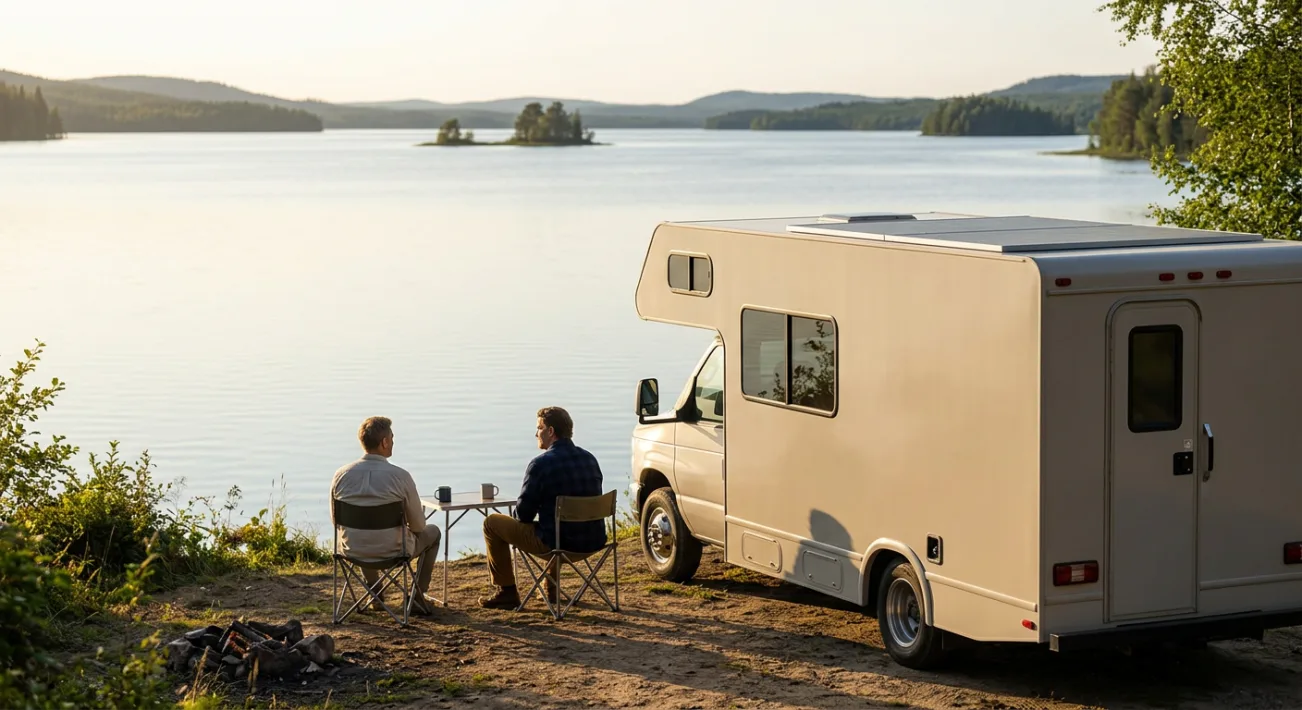
Early arrival also provides important advantages at popular campgrounds. The best sites are often claimed early, and arriving by mid-afternoon ensures better selection. Additionally, campground offices sometimes close in the early evening, making late check-ins complicated or impossible at some locations.
Why the 3-3-3 Rule Makes Your RV Life Better
The 3-3-3 rule isn’t arbitrary—each component addresses specific challenges that RVers commonly face. Together, they create a travel rhythm that promotes safety, enjoyment, and the kind of relaxed pace that RV life is meant to embody.
Less Driver Fatigue Means Safer Travel
Driver fatigue is the silent danger on any road trip, but it’s particularly hazardous when operating a large, heavy vehicle like an RV. Studies show that driving while tired can impair your reaction time similar to driving under the influence. By limiting daily mileage and ensuring regular breaks, the 3-3-3 rule directly combats this risk.
The controlled pace also reduces stress-related mistakes. When you’re rushing to reach a destination before dark, you’re more likely to exceed safe speeds, miss important road signs, or make hasty decisions. The 3-3-3 rule builds in buffer time that allows for more mindful driving and better decision-making behind the wheel.
More Time to Actually Enjoy Your Destinations
The whole point of RV travel is to experience new places, not just to drive through them. By limiting your daily driving time, you automatically create more opportunities to enjoy the places you visit. Instead of arriving exhausted and heading straight to bed, you have energy to explore, meet fellow travelers, or simply relax in your outdoor space.
This balanced approach helps prevent what experienced RVers call the “drive-sleep-drive” trap, where your entire trip becomes about covering ground rather than enjoying the journey. Remember that RVing is as much about the experience as the destination.
Reduced Setup Stress
Setting up an RV involves multiple steps: finding your site, positioning correctly, leveling, connecting utilities, extending slides, and setting up your outdoor space. This process requires patience, focus, and good communication between travel partners. Attempting this process when you’re tired from a long drive or rushing before darkness falls creates unnecessary tension. Following the 3-3-3 RV rule can help reduce stress and ensure a smoother setup experience.
Arriving by 3 PM gives you the luxury of unhurried setup. You can take your time, double-check connections, and properly secure your rig without the pressure of fading daylight. This relaxed approach prevents many common setup mistakes that can damage your RV or create safety hazards.
Better Campsite Selection
At many campgrounds, especially during busy seasons, arriving early can mean the difference between a prime spot with shade and privacy versus whatever’s left over. Many campgrounds operate on a first-come, first-served basis for specific site assignments within your reservation category.
Early arrival also gives you time to request a different site if your assigned one doesn’t meet your needs. Campground staff are more likely to accommodate change requests when they have several hours before the evening rush of check-ins begins.
Smart Variations of the Rule for Different Travelers
While the standard 3-3-3 rule works well for many RVers, your perfect formula might look slightly different. The beauty of this guideline is its flexibility—you can adapt it to suit your specific travel style, rig type, and personal preferences while maintaining its core benefits.
These popular variations preserve the spirit of balanced travel while accommodating different circumstances. The key is finding your personal sweet spot between making progress and enjoying the journey.
The Extended 3-3-3 Rule: Adding Three Days at Each Location
Many experienced RVers have expanded the original rule by adding a fourth “3”: stay at least three days at each destination. This addition transforms the rule from a driving guideline to a comprehensive travel philosophy that emphasizes depth over breadth in your explorations.
The three-day minimum stay allows you to truly experience each location rather than just passing through. The first day typically involves settling in and resting from travel, the second day provides time for major attractions, and the third day lets you discover hidden gems or simply relax and enjoy your surroundings.
- Day 1: Arrival, setup, and basic orientation to your surroundings
- Day 2: Visit major attractions or natural features of the area
- Day 3: Discover local favorites, secondary attractions, or simply relax
This extended version is particularly popular among full-time RVers and those on extended trips who have the luxury of a more relaxed timeline. It reduces the percentage of your journey spent driving and setting up, maximizing the enjoyable parts of RV living.
The 2-2-2 Rule for Shorter Trips
Weekend warriors and those with limited vacation time sometimes adopt the 2-2-2 rule: drive no more than 200 miles, take breaks every 2 hours, and arrive by 2 PM. This compressed version acknowledges that shorter trips require maximizing limited time while still maintaining reasonable limits.
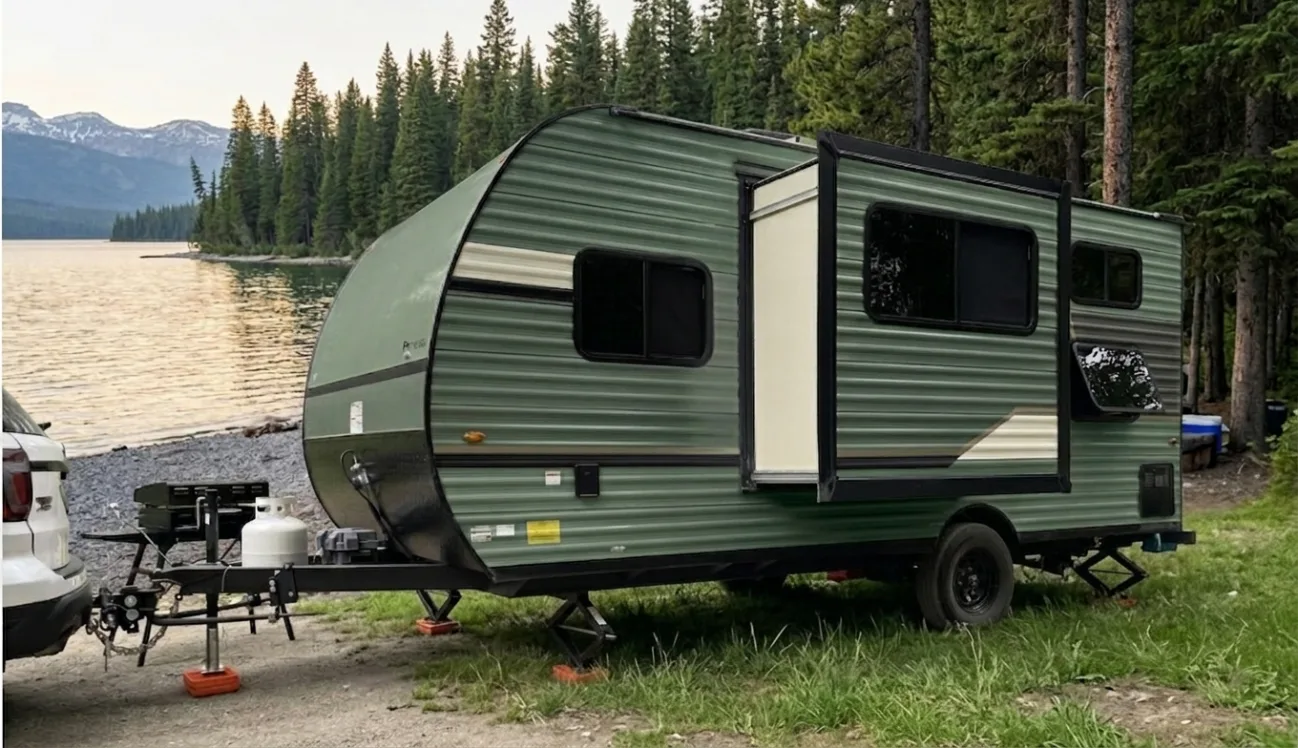
The 2-2-2 rule works especially well for smaller rigs like Class B campervans or lightweight travel trailers that are easier to drive and set up quickly. It’s also suitable for travelers who are primarily visiting locations closer to home and don’t need to cover vast distances.
The 4-4-4 Rule for Slow Travel Enthusiasts
At the other end of the spectrum, some RVers prefer the 4-4-4 rule: 400 miles maximum, breaks every 4 hours, and arrival by 4 PM. This variation works best for experienced RV drivers with larger fuel tanks and comfortable driving setups who prefer fewer, longer travel days followed by extended stays. If you’re new to this, consider these first-time RV driving tips to make your journey smoother.
The 4-4-4 approach might include driving only 2-3 days per week but covering more ground on those days. It’s particularly suited to snowbirds making seasonal migrations or travelers crossing large states with limited stopping points. For those planning such trips, here’s a guide on how to plan an RV trip safely.
Emergency Situations
Sometimes life throws curveballs that require breaking the 3-3-3 rule. Family emergencies, medical situations, or mechanical issues might necessitate longer driving days or later arrivals. In these situations, prioritize safety above all else. If you must drive beyond your usual limits, consider splitting driving duties if possible, increase the frequency of breaks, and stay hyper-vigilant about your alertness level. For more tips, check out this first-time RV driving guide.
Weather emergencies like approaching storms might also require adjusting your schedule. It’s better to drive an extra hour to reach a safe location than to stop at the 300-mile mark if severe weather is imminent. Always have a backup plan that includes alternative stopping points along your route, and consider using an RV dash cam for added safety and security during your travels.
Emergency Kit Essentials: Keep a dedicated emergency kit that includes road flares, extra water, non-perishable food, first aid supplies, basic tools, and battery banks for charging phones. Also carry cash for emergencies and keep a list of emergency contacts easily accessible.
The 3-3-3 rule should be considered a guideline for normal conditions, not an absolute mandate that overrides common sense or safety considerations. In emergency situations, your judgment and flexibility become more important than adhering to any travel rule.
Weather Considerations
Weather plays a crucial role in RV travel planning and may require adjusting your 3-3-3 parameters. Strong crosswinds make driving a high-profile vehicle dangerous, so you might need to limit your daily mileage even further on extremely windy days. Conversely, if unseasonable cold is predicted for your destination, you might push slightly beyond 300 miles to reach more temperate conditions. In hot weather, consider earlier morning departures to complete your driving before the heat of the day, even if that means arriving well before 3 PM. The spirit of the rule—keeping travel manageable and enjoyable—remains intact even when weather necessitates modifications.
Special Destinations Worth the Extra Effort
Occasionally, you’ll encounter destinations that justify bending the 3-3-3 rule. National parks during peak season, special events with limited-time availability, or once-in-a-lifetime experiences might warrant pushing a bit beyond your usual limits. When making these exceptions, plan thoroughly and build in recovery days afterward. For instance, if you drive 400 miles to reach Yellowstone during a narrow reservation window, compensate by staying put for several days afterward. This balanced approach allows you to make special exceptions while still respecting the wisdom behind the 3-3-3 framework.
Real Results: How the 3-3-3 Rule will Transformed your RV Experience
If you approach driving an RV like a regular road trip—pushing to cover maximum distance each day, often arriving at campgrounds after dark, you will be feeling perpetually exhausted. The constant stress of racing against daylight and rushing through setup will leave you wondering why you aren’t enjoying this lifestyle as much as you’d expected. The 3-3-3 rule practised by seasoned RVers will change everything.
The transformation will be immediate and dramatic. By limiting your daily drives to 300 miles, you will find yourselves actually enjoying the journey rather than just enduring it. Arriving by 3 PM meant you can set up camp, get oriented, and still have time for a sunset walk or a relaxed dinner. The consistent breaks every three hours will keep you refreshed and alert. Most surprisingly, you will discover that you aren’t actually sacrificing destinations—you will simply experience them more fully. By embracing this balanced approach to travel, you will rediscover the joy that prompted you to choose the RV lifestyle in the first place.
Frequently Asked Questions
The 3-3-3 rule generates many questions from both new and experienced RVers. Here are answers to some of the most common inquiries about implementing this guideline in your own travels.
Is the 3-3-3 rule appropriate for weekend RV trips?
For weekend trips, the 3-3-3 rule might need modification to maximize your limited time. Consider adopting the 2-2-2 variation (200 miles maximum, 2-hour breaks, arrive by 2 PM) or focus primarily on the “arrive by 3 PM” component to ensure you have adequate setup time. The key for weekend warriors is selecting destinations within reasonable driving distance so you don’t spend your entire limited vacation behind the wheel. Remember that a relaxing weekend at a beautiful spot 150 miles away offers more enjoyment than an exhausting marathon drive to a distant location where you’ll have minimal time before heading home. For more tips, check out these first-time RV driving tips.
How do I convince my travel partners to follow the 3-3-3 rule?
If your travel companions resist the 3-3-3 approach, try suggesting a trial run for just one segment of your journey. Let them experience firsthand the benefits of arriving with daylight to spare and energy to enjoy your destination. Share articles or forum discussions about the rule, or connect them with other RVers who’ve adopted this style of travel. Sometimes the most convincing approach is simply demonstrating how much more pleasant the experience becomes when you’re not constantly rushing. Frame it as enhancing enjoyment rather than limiting adventure, and emphasize that slower travel often leads to discovering unexpected gems you’d otherwise miss.
Does the 3-3-3 rule work for all RV sizes and types?
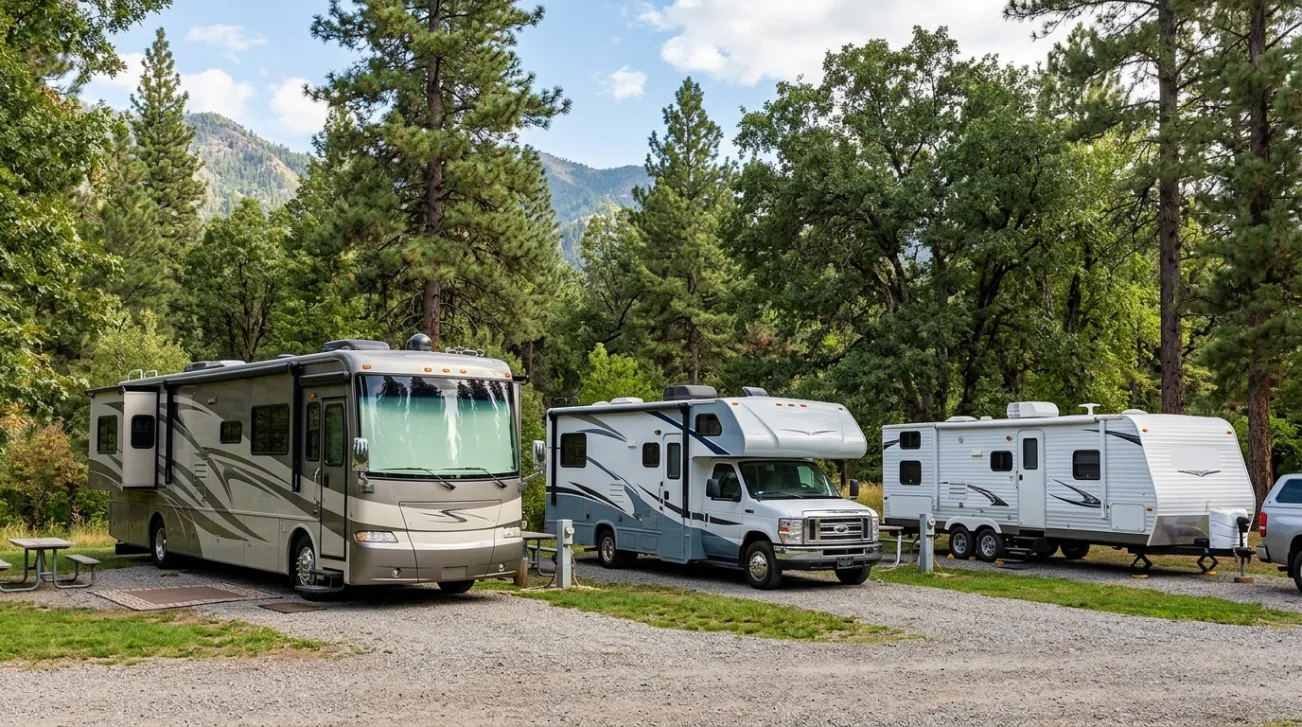
The 3-3-3 rule applies to all RV classes, but you may need adjustments based on your specific rig. Larger Class A motorhomes or fifth wheels might benefit from more conservative mileage limits, as they require more physical and mental energy to maneuver. Conversely, nimble Class B vans might handle longer driving days more comfortably.
Your RV’s fuel capacity also influences how you implement the rule. Diesel pushers with large tanks might align their fuel stops with the recommended three-hour breaks, while smaller gas-powered rigs might need to stop more frequently. The principle remains the same: create a sustainable travel rhythm that prevents exhaustion and enhances enjoyment, regardless of what you’re driving. For those planning their trips, consider these tools for RV owners to ensure a smooth journey.
Should I follow the 3-3-3 rule on my first RV trip?
Absolutely! First-time RVers benefit tremendously from the 3-3-3 rule, as it prevents many common mistakes that can turn an inaugural trip into a stressful experience. When everything is new—driving a larger vehicle, operating unfamiliar systems, and navigating campground protocols—having ample time and energy makes the learning curve much more manageable.
For your first trip, consider being even more conservative than the rule suggests. Plan for shorter driving days (perhaps 200-250 miles maximum) and earlier arrivals to give yourself extra buffer time. This cautious approach sets you up for success and builds confidence for future adventures. Remember, experienced RVers developed this rule after learning lessons the hard way—you can benefit from their wisdom right from the start.
How do fuel stops factor into the 3-3-3 rule’s driving time?
Fuel stops should be considered part of your travel day and ideally coordinated with your planned breaks. For many RVs, especially larger ones, refueling takes significantly longer than it does in a car, often requiring 20-30 minutes between pulling in, fueling, paying, and safely merging back into traffic. Plan your route with appropriate fuel stops, and use these necessary pauses as opportunities for your three-hour breaks.
Many experienced RVers use the “half-tank rule” in conjunction with the 3-3-3 approach—they begin looking for fuel when their tank reaches the halfway mark rather than waiting until it’s nearly empty. This practice prevents the stress of searching for suitable fueling stations with an increasingly urgent need, particularly in remote areas where RV-accessible stations may be limited.
The 3-3-3 rule has transformed countless RV journeys from exhausting marathons into enjoyable adventures. By respecting your physical limits, planning reasonable travel days, and ensuring ample time for setup and exploration, you create the conditions for truly memorable experiences. While not a rigid mandate, this time-tested guideline offers a framework that helps you avoid common pitfalls and embrace the freedom and joy that make RV travel so rewarding.
Whether you’re planning your first RV trip or your fiftieth, consider how the wisdom of the 3-3-3 rule might enhance your journey. After all, the open road will always be there tomorrow—the true art of RV living is learning to savor each mile along the way.